
Introduction
Urban equestrianism is emerging as a unique and fascinating intersection between traditional horsemanship and modern city life. Once thought of as a rural or countryside activity, horse riding, training, and ownership are now finding a place in bustling urban centers worldwide. From mounted police units to community riding schools, therapeutic programs, and recreational clubs, horses are proving to be adaptable companions in diverse and crowded environments. This trend highlights the growing appreciation for equine culture and its benefits—even in concrete landscapes.
What Is Urban Equestrianism?
Urban equestrianism refers to the integration of horses into city settings for work, sport, recreation, and therapy. This can take various forms, such as:
-
Mounted police patrols for law enforcement and crowd control
-
Public riding schools and equestrian centers within city limits
-
Therapeutic riding programs for individuals with disabilities or emotional challenges
-
Recreational and competitive riding clubs in urban or suburban areas
These programs often adapt facilities and routines to meet the needs of horses in more confined, non-traditional spaces.
How Horses Thrive in City Environments
-
Work and Public Service
Horses remain valuable in certain public service roles, especially in mounted police units. Their visibility and calm demeanor can deter crime, improve crowd management, and foster positive community interactions.Example:
Role Benefit in Urban Areas Special Considerations Mounted Police High visibility, crowd control, approachability Requires daily exercise, stabling close to patrol areas Tourism Carriages Cultural heritage, sightseeing attraction Ethical care standards, regulated workloads Urban Agriculture & Hauling Eco-friendly transport in some cities Limited to areas with proper infrastructure -
Therapeutic and Educational Programs
Urban equestrian centers often offer therapeutic riding for people with physical, emotional, or cognitive challenges. These sessions provide not only physical benefits—like improved posture and coordination—but also emotional growth through human–animal bonding. -
Recreational and Competitive Riding
From dressage arenas in renovated warehouses to riding clubs near city parks, urban riders are finding ways to train and compete without leaving city boundaries. These facilities maximize vertical space, incorporate modern ventilation systems, and create turnout schedules that mimic rural conditions. -
Cultural and Historical Significance
Some cities preserve equestrian traditions through festivals, parades, and heritage rides, keeping horse culture alive in the public consciousness.
Benefits of Urban Equestrianism
-
Accessibility: Makes riding and equine care available to people without rural access.
-
Community Engagement: Horses draw public interest, creating opportunities for education and outreach.
-
Therapeutic Impact: Offers physical, mental, and emotional benefits to participants.
-
Sustainable Practices: Mounted patrols and low-emission horse-drawn transport contribute to eco-friendly initiatives.
Limitations and Challenges
-
Space Constraints: Stables, arenas, and turnout areas must be carefully designed to meet horses’ welfare needs.
-
Urban Stressors: Noise, traffic, and pollution require horses with calm temperaments and specialized training.
-
Public Perception: Balancing the romantic appeal of urban horses with ethical considerations and welfare standards is crucial.
-
Costs: Land and maintenance in cities are significantly more expensive than in rural areas.
Practical Considerations
When to Introduce Horses into City Spaces
-
When there is clear community demand and infrastructure in place
-
For programs with defined welfare protocols and ethical guidelines
-
In cities with cultural traditions linked to equestrian activities
Choosing a Facility or Program
-
Look for accredited urban riding schools or organizations with experienced staff
-
Check for proper stable ventilation, turnout schedules, and access to veterinary care
-
Evaluate how the program addresses noise, traffic, and other urban stress factors
Training Horses for City Life
-
Gradual exposure to urban environments
-
Desensitization to crowds, vehicles, and loud noises
-
Consistent exercise and enrichment to maintain physical and mental health
Conclusion
Urban equestrianism demonstrates the remarkable adaptability of both horses and humans. By thoughtfully integrating horses into city life, we can preserve equestrian traditions, enhance community programs, and provide therapeutic opportunities for urban populations. While challenges exist—particularly regarding space, welfare, and cost—innovative facility designs and ethical management practices make it possible for horses to thrive alongside skyscrapers and busy streets. This growing trend reflects a broader movement toward reconnecting with nature, even in the most metropolitan of settings.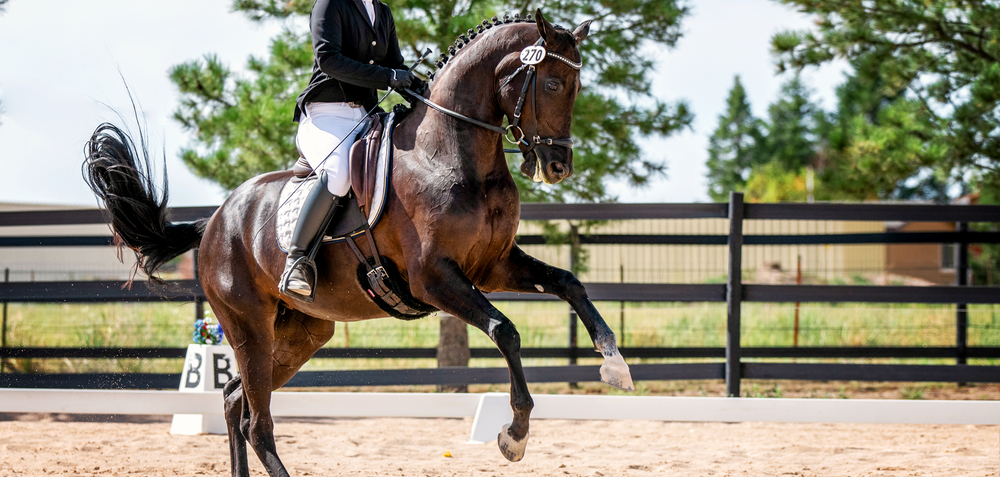
Planning a Safe Urban Horse Facility
Urban or suburban facilities have less room for error because neighbors, traffic, hard surfaces, and limited turnout can affect both horse welfare and daily operations. Before accepting horses, confirm local zoning and animal-keeping rules, plan a safe route for emergency vehicles, and design routines that provide regular movement rather than relying on stall time alone.
- Air quality: Keep stalls and enclosed aisles well ventilated without creating dangerous drafts. Penn State Extension identifies ventilation, flooring, drainage, fire safety, and manure management as core facility-design considerations.
- Footing and drainage: Use surfaces that provide secure traction, shed water, and can be cleaned without sending manure or contaminated runoff toward drains or neighboring properties.
- Waste handling: Establish a covered, pest-controlled manure-storage and removal plan before the first horse arrives. In a city, odor, flies, and runoff can quickly become both welfare and community issues.
- Turnout and enrichment: If acreage is limited, schedule turnout, hand-walking, compatible group time, and forage-based enrichment. A small property still needs a written plan for exercise, social contact, and rest.
For a practical inspection, ask to see cleaning schedules, water-testing and tank-cleaning procedures, emergency contacts, veterinary access, and the program’s plan for heat, storms, fire, and evacuation. A polished urban stable is not necessarily a suitable one; the horse’s air, movement, footing, and social needs should determine the design.
Sources and Further Reading
- Penn State Extension: Horse Stables, Facilities, and Technology
- Penn State Extension: Important Details in Horse Stable Design
- Penn State Extension: Horse Health and Care
Frequently Asked Questions
Can horses live safely in a city?
Yes, when the facility provides appropriate ventilation, clean water, safe footing, daily movement, social contact, veterinary support, and a plan for traffic and other urban stressors. City location alone does not determine welfare.
What is the biggest challenge for an urban horse facility?
Usually it is balancing limited space with the horse’s needs for movement, fresh air, drainage, manure management, and safe emergency access. A written turnout and exercise plan is essential where pasture is limited.
Do urban stables need special ventilation?
They need effective air exchange just like rural barns, with extra attention to enclosed buildings, dust, vehicle fumes, and neighboring structures. A qualified designer or equine-facility professional can help assess a site-specific system.
Related Guides
If you found this helpful, these related articles cover more ground:
- The Aesthetics of Movement: Why Watching Horses Feels Like Poetry
- Ownership vs. Stewardship: Who Do Horses Really Belong To?
- Do Horses Consent? Rethinking Choice in Training and Riding
- Remote Horse Ownership: Caring for Horses From a Distance
- Horses in a Post-Rural World: Adapting to Shrinking Land Access

Written by
Phoebe writes about horse care, health, and behavior for Equestrian Space, blending hands-on stable experience with up-to-date veterinary guidance.