
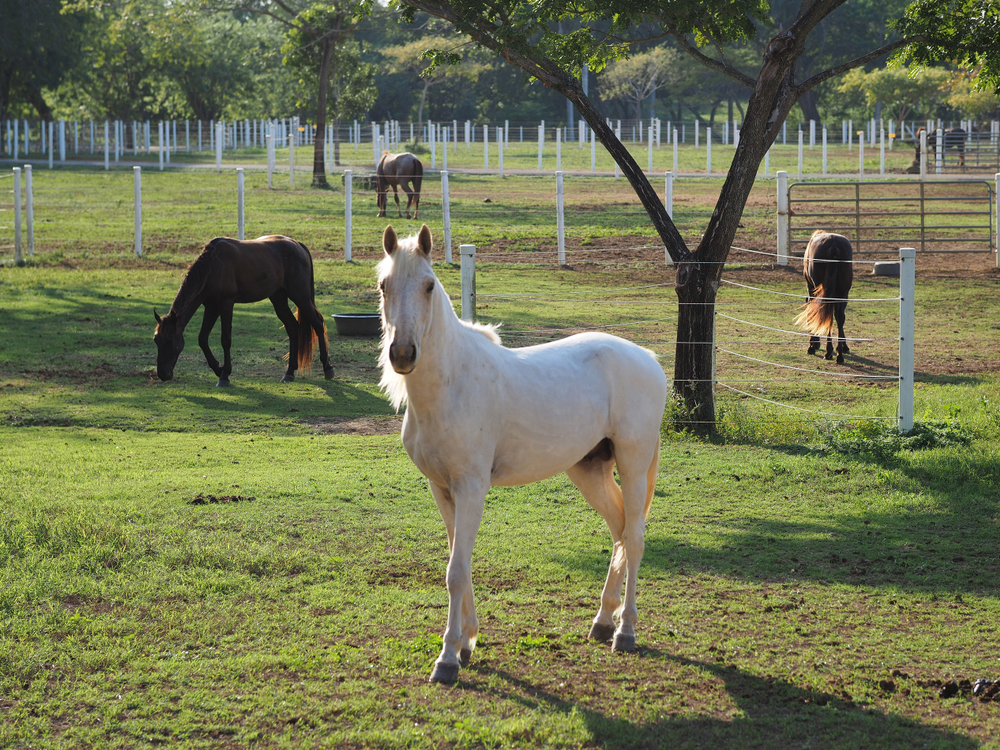
There is a reason watching a horse move can feel almost musical. A walk has a four-beat rhythm, a trot has a clear two-beat diagonal pattern, and a canter has a rolling three-beat sequence followed by suspension. The appeal is not only visual beauty: horse movement combines rhythm, balance, power, coordination, and communication.
What makes horse movement look so graceful?
Grace is usually the result of many small actions working together. A horse must place each hoof accurately, stabilize the trunk, flex and extend joints through the stride, and adjust balance as the ground or speed changes. The neck and head also move as part of the horse’s balance system; a relaxed, coordinated horse may appear to flow because its movements are connected rather than rigid.
Conformation influences how a horse moves, but it does not tell the whole story. Fitness, soundness, footing, training, emotional state, and the job a horse is being asked to do all matter. A horse bred for a particular discipline may show movement that suits that work, while another horse may be exceptionally efficient or expressive in a different role.
Horse gaits: the rhythms people notice
Walk
The walk is a natural four-beat gait. Each limb moves separately, and the horse normally has at least two or three feet on the ground. A comfortable walk should be purposeful and reasonably even. Short steps, hesitation, or a sudden change in rhythm can be more important than whether the gait looks “pretty.”
Trot
The trot is a two-beat gait in which diagonal pairs of legs move together, with a moment of suspension between beats. Riders often notice the trot’s spring and regularity. A horse that is tense, unbalanced, or uncomfortable may rush, lose rhythm, or hollow its back instead of moving with a steady, elastic stride.
Canter and gallop
The canter is a three-beat gait, while the gallop is a faster four-beat gait. At speed, the horse must manage greater forces and recover balance quickly. The suspension phase can make a galloping horse look weightless, even though the movement requires substantial muscular effort and careful coordination.
Why do some horses move differently?
Every horse has an individual way of going. Breed type, limb proportions, joint angles, muscle development, age, and previous training can all influence stride length and expression. Some horses naturally lift their knees or show more reach; others are compact, economical movers. “More action” is not automatically better: a sound, comfortable, balanced stride is more meaningful than dramatic movement alone.
Gaited horses add another layer of variety. Many are capable of specialized intermediate gaits that replace or supplement the conventional trot. These gaits can look unusually smooth because the sequence of footfalls reduces the vertical movement felt by the rider. They should still be regular, comfortable, and appropriate for the individual horse.
Movement is also a welfare signal
Beautiful movement should never be judged separately from the horse’s comfort. Watch for changes from the horse’s normal way of going: shortened steps, uneven loading, reluctance to move forward, head tossing, tail clamping, a resistant back, or a sudden loss of rhythm. These signs are not a diagnosis, but they deserve attention. Pain can come from the feet, limbs, back, saddle fit, teeth, or another health problem, and a veterinarian or qualified professional may be needed.
Good footing and sensible conditioning matter as well. Deep, slippery, hard, or uneven surfaces can change how a horse loads its limbs. Training should build strength and coordination gradually, with rest and recovery. A horse that looks expressive because it is anxious or uncomfortable is not displaying healthy athleticism.
How to watch a horse’s movement critically
- Watch the horse first at a relaxed walk, then at the faster gaits if appropriate.
- Look for rhythm and symmetry rather than focusing on one dramatic moment.
- Compare left and right turns and observe transitions between gaits.
- Notice whether the horse appears relaxed, willing, and comfortable.
- Use slow-motion video when a change or possible unevenness is difficult to assess.
Frequently asked questions
Why does watching horses move feel so satisfying?
People often respond to the combination of rhythm, coordinated whole-body movement, speed, and visible effort. Personal experience, artistic tradition, and emotional connection with horses also shape that response.
What is the most graceful horse gait?
There is no single answer. A relaxed, rhythmic walk, an elastic trot, a balanced canter, and a powerful gallop can all look graceful. The best movement is appropriate to the horse, the surface, and the task.
Does a horse’s breed determine how it moves?
Breed and conformation influence movement, but they do not determine it completely. Training, fitness, soundness, footing, age, and the horse’s individual build and temperament also matter.
When is unusual movement a concern?
A new, persistent, uneven, reluctant, or visibly uncomfortable way of going warrants attention. Stop demanding harder work and seek qualified veterinary advice if the change does not quickly resolve or if the horse appears painful.
Related guides
- What Is Dressage Riding?
- Dressage vs. jumping: what is different?
- Can gaited horses do dressage?
- Why do horses need shoes?
Sources and further reading
- FEI: understanding horse gaits and movement
- British Horse Society: lameness and changes in movement
- University of Minnesota Extension: lameness in horses

Written by
Phoebe writes about horse care, health, and behavior for Equestrian Space, blending hands-on stable experience with up-to-date veterinary guidance.