
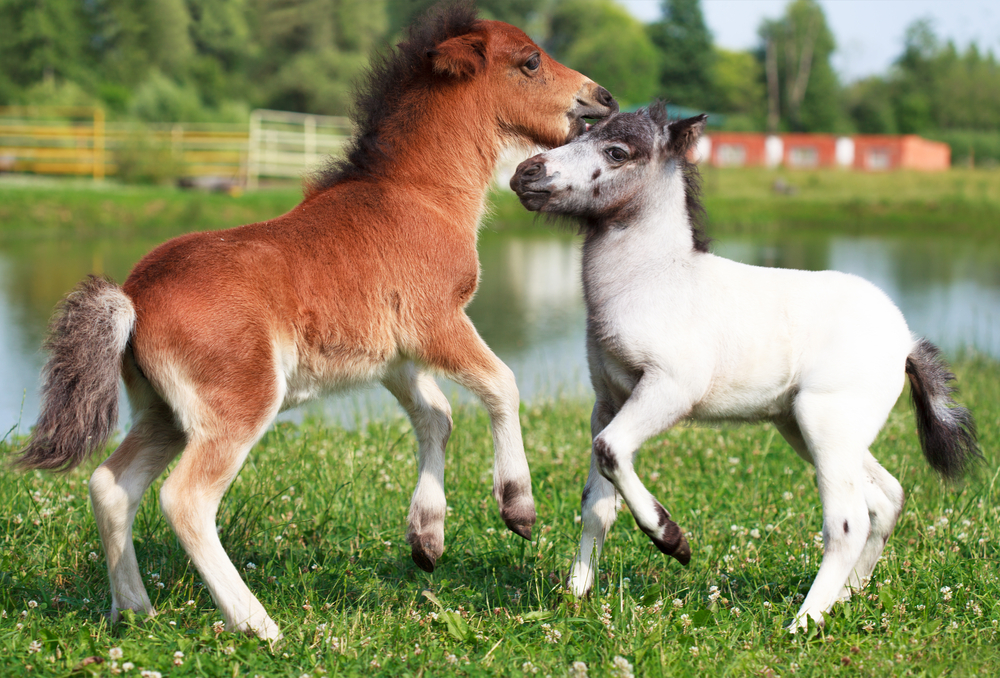
Rainy afternoons, extreme heat, stall rest, and long winter days can limit a horse’s usual movement and grazing. A few carefully chosen enrichment activities can give a horse something appropriate to investigate, forage for, or learn. The goal is not to keep a horse constantly busy or to replace turnout, forage, social contact, or veterinary care. It is to make a restricted day safer and more interesting.
What equine enrichment should provide
Good enrichment gives a horse an opportunity to express normal behaviors such as foraging, exploring, gentle movement, and choice. Start with the horse’s routine: adequate forage, clean water, safe social contact, turnout when conditions allow, and a comfortable, well-ventilated stable come first. A new toy cannot compensate for a horse that is hungry, isolated, painful, or confined longer than its health and management plan allow.
Horses differ. One may calmly investigate a new object; another may become anxious or try to chew it. Introduce one change at a time, from the ground, and remove it if the horse shows fear, frustration, guarding, excessive pawing, or unsafe chewing.
Six low-cost DIY enrichment ideas
1. Forage trail or scattered hay
Place small portions of the horse’s normal hay in several safe locations around a paddock, dry lot, or large cleared area. In a stall, use more than one approved feeder only when the arrangement does not create a trapping or entanglement hazard. The aim is gentle searching and slow eating, not a dramatic reduction in forage access. Ask your veterinarian or nutrition professional before changing a horse’s forage or concentrate ration, especially if the horse is overweight, insulin-dysregulated, or prone to choke.
2. A simple forage box
Use a sturdy, clean, food-safe container with no sharp edges or detachable pieces. Put a small amount of the horse’s regular hay inside and supervise the first sessions. Do not use a container that splinters, cracks, has a lid that can trap a muzzle, or can be carried and kicked into a person or another horse. Stop immediately if the horse chews the container rather than foraging from it.
3. Safe, supervised target work
A soft, washable target can support a short positive-reinforcement lesson: look at it, touch it, then step away. Keep sessions brief and reward with a portion of the horse’s existing ration rather than adding high-sugar treats. Work in a level, uncluttered area with a handler who can read the horse’s body language. This is a training game, not a test of obedience; end while the horse is relaxed and interested.
4. A grooming and sensory station
Offer a quiet grooming session with familiar brushes, or place a safe scratching surface where the horse cannot catch a leg, halter, blanket, or tail. Do not attach loose fabric, ropes, baling twine, wire, or dangling objects to a stall. Avoid essential oils, unknown plants, and herbs unless your veterinarian has confirmed that a particular product and amount are appropriate. Novel smells are optional; safe comfort and choice matter more.
5. Hand-walking and simple pole alternatives
If the horse is sound and the veterinarian has not restricted movement, a calm hand-walk, in-hand halt, backing, or large turn can add variety. Keep footing level and free of ice, holes, mud, and clutter. Do not improvise raised poles, cavaletti, or jumping exercises for a horse on stall rest, recovering from injury, unfit, or unsure of its feet. A mobility plan for a recovering horse belongs to the veterinarian or rehabilitation professional.
6. Calm observation and choice
Sometimes the best enrichment is a safe view of compatible horses, a quiet grooming area, or a choice between two familiar activities. Observe what the horse voluntarily investigates and what it avoids. Enrichment should lower frustration, not force interaction with a scary object or a dominant neighbor.
What not to use
- Plastic jugs, brittle balls, painted or treated wood, metal parts, and anything small enough to swallow.
- Hanging ropes, strings, hay nets, or garlands placed where a hoof, shoe, halter, or leg can become caught.
- Food puzzles that make the horse bolt food, fight another horse, or consume an unsafe amount of treats.
- DIY obstacles, exercise balls, or poles with an unfit, lame, frightened, or medically restricted horse.
- Enrichment left unattended before its strength, attachment points, and the horse’s response have been tested.
How to run a safe barn-day trial
- Check the horse first. Pain, colic signs, lameness, fever, dental trouble, or a sudden behavior change needs professional attention—not a toy.
- Choose one activity that matches the horse’s health plan and normal diet.
- Inspect every material, remove hazards, and introduce it in a spacious, quiet area.
- Supervise the first several sessions. Look for relaxed breathing, soft eyes, normal posture, and easy disengagement.
- Remove the item after the planned session and inspect it for cracks, sharp edges, loose fibers, or swallowed pieces.
Persistent cribbing, weaving, stall walking, aggression, or other repetitive behavior should not be dismissed as simple boredom. Record when it occurs and discuss the horse’s forage, turnout, social contact, pain, and stable routine with your veterinarian and experienced management team. Enrichment may be one part of a broader plan, but it is not a treatment for an underlying medical or welfare problem.
Related horse-care and stable guides
- How long can a horse stay in a stable?
- Cognitive enrichment for horses: stimulating the equine mind
- Why does a horse rub its head on you?
Sources and further reading
- Penn State Extension: Horse Stables, Facilities, and Technology
- Penn State Extension: Hay Feeders and the Potential to Reduce Hay Waste
- AAEP Horse Owner Resource Library
Frequently asked questions
What is the safest DIY enrichment for a horse?
Start with supervised forage-based enrichment using the horse’s normal hay and a sturdy, safe setup. It is usually lower risk than improvised toys, obstacles, or dangling objects. Match the plan to the horse’s diet, health, and housing.
Can enrichment replace turnout?
No. Enrichment can add variety during unavoidable restrictions, but it does not replace appropriate turnout, movement, forage, water, social contact, or veterinary-directed care.
How long should a horse use a DIY enrichment activity?
Begin with a short, supervised trial and stop while the horse remains calm. There is no universal time limit: the horse’s behavior, diet, health plan, and the condition of the equipment should determine the session.

Written by
Phoebe writes about horse care, health, and behavior for Equestrian Space, blending hands-on stable experience with up-to-date veterinary guidance.