Back to top

Tack & Accessories

Choosing and using tack safely starts with fit, purpose, and the individual horse—not with a one-size-fits-all shopping list. This hub brings together practical guidance on saddles, bits, bridles, stirrups, protective equipment, footwear, and training aids. Learn how to recognize a good fit, understand what different pieces are designed to do, weigh welfare and safety risks, and know when a qualified saddle fitter, farrier, or trainer should help. Use the guides below to compare equipment thoughtfully and make changes gradually. Featured tack and safety guides What is a hackamore? Uses, types, fit, and safety Western vs. English saddles: key differences Choosing a bit for a horse with a sensitive mouth How to choose the right stirrups Do horse-riding body protectors work?

Identity in the Saddle: Who Are You Without Riding?
Identity in the Saddle: Who Are You Without Riding? For many equestrians, horses are not simply a hobby—they are a way of life. Riding shapes daily routines, social circles, goals, finances, and even personal identity. Ask a rider to describe themselves, and phrases such as “I’m an eventer,” “I’m a dressage rider,” or simply “I’m … Read more

Rethinking Bits and Bridles: Function, Fit, and Feel

IntroductionBits and bridles have been central to horsemanship for centuries, guiding communication between horse and rider. However, modern equestrian practice increasingly emphasizes not just control, but comfort, clarity, and partnership. Understanding how bits and bridles function—and how their fit and feel affect the horse—can significantly improve performance, training, and welfare. By rethinking traditional equipment choices, … Read more

From Leather to Lab-Grown: The Evolution of Equestrian Gear

Introduction Equestrian gear has long been synonymous with craftsmanship, tradition, and the iconic smell of tanned leather. From saddles to bridles, boots, and riding apparel, leather has dominated the equestrian world for centuries. However, advances in material science, sustainability, and animal welfare have sparked a revolution in the industry. Today, lab-grown and synthetic alternatives are … Read more

Data in the Saddle: How AI and Sensors Are Changing Training Decisions

Introduction Horse training has always relied on the experienced eye of trainers, riders, and veterinarians. Subtle signs—such as changes in gait, breathing, or behavior—often guide decisions about conditioning, rest, and competition readiness. Today, artificial intelligence (AI) and advanced sensor technologies are transforming this process. By collecting and analyzing real-time data from horses during training and … Read more

Smart Saddles and Wearable Tech: The Future of Riding Feedback

Rider demonstrating the position and parts of a Western saddle

IntroductionTechnology is rapidly reshaping the equestrian world, and riding is no exception. Smart saddles and wearable tech are emerging as powerful tools that provide real-time feedback on both horse and rider performance. By combining sensors, data analytics, and mobile applications, these innovations offer deeper insights into movement, balance, comfort, and training effectiveness. The result is … Read more

Women in the Saddle: Changing the Face of Modern Equestrianism

IntroductionWomen have long shared a deep bond with horses, but in recent years, they have emerged as powerful figures reshaping the modern equestrian world. From the showjumping arena to professional racing circuits, and from breeding barns to coaching roles, women are no longer just participants—they are leaders, innovators, and role models. The growing influence of … Read more

The Science of Saddle Pads: Materials, Fit, and Function

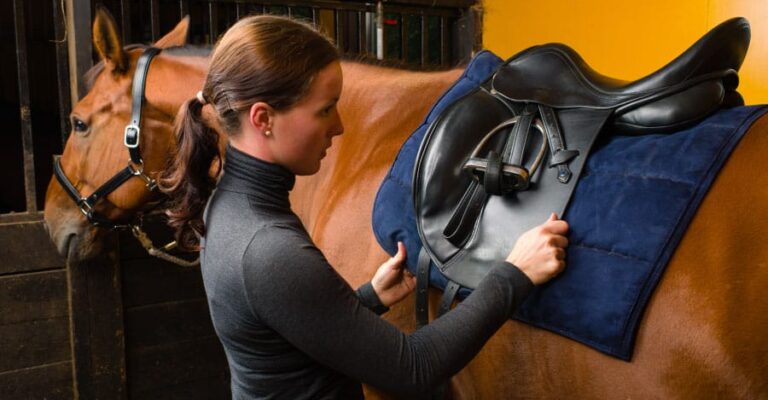
Handler adjusting an English saddle and blue saddle pad on a chestnut horse

IntroductionSaddle pads may seem like a simple accessory, but they play a critical role in equine comfort, performance, and long-term health. Acting as a buffer between horse and saddle, the right pad distributes pressure, absorbs shock, reduces friction, and helps regulate temperature. A poor choice, however, can lead to discomfort, soreness, and even chronic back … Read more

Mental Health in the Saddle: Supporting Riders Through the Highs and Lows

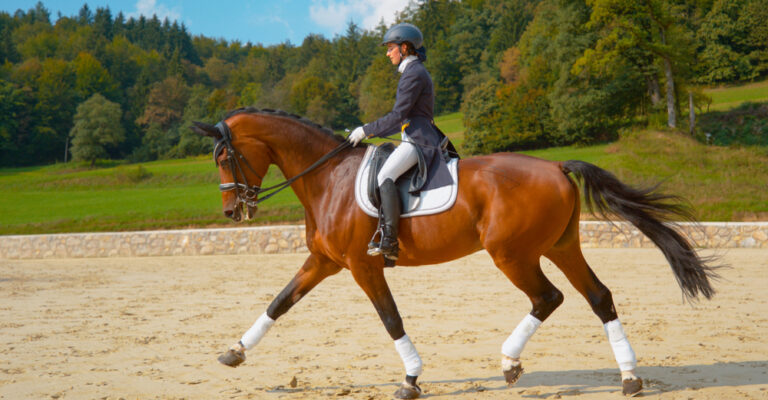
Rider practicing flatwork with a horse in an arena

IntroductionEquestrian sports are as mentally demanding as they are physically rigorous. While much attention is paid to the health and performance of the horse, the mental well-being of the rider is often overlooked. Riders face intense pressure, both internal and external, which can lead to stress, anxiety, burnout, and even depression. Recognizing and supporting the … Read more