
Introduction
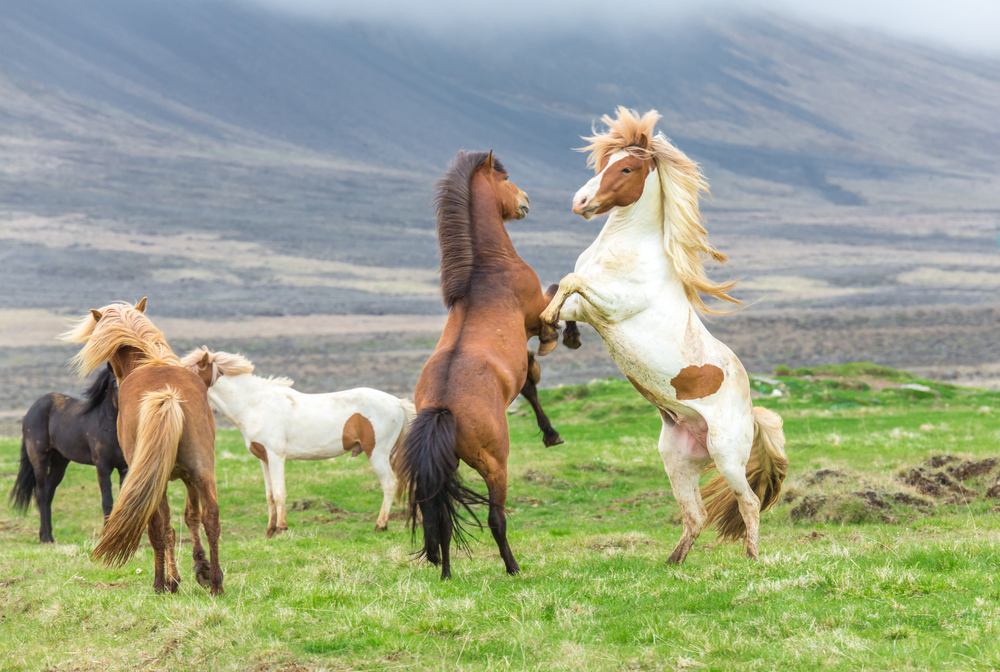
As landscapes change and urban areas expand, horses are increasingly living in what can be described as a post-rural world—where open land is no longer abundant, and traditional grazing spaces are shrinking. Once symbols of wide-open fields and agricultural life, horses today must adapt alongside their owners to limited land access, rising property costs, and evolving land-use priorities. This shift presents both challenges and opportunities for maintaining equine health, welfare, and purpose in modern environments.
What Is a Post-Rural World for Horses?
A post-rural world refers to environments where rural land is diminishing due to urbanization, industrial development, and changing economic demands. For horse owners, this means:
Reduced pasture availability
Higher land and maintenance costs
Increased reliance on shared or leased facilities
Greater proximity to urban populations
In such settings, traditional horse-keeping practices must evolve to remain sustainable and humane.
Challenges of Shrinking Land Access
1. Limited Grazing Space
Horses naturally require ample pasture for grazing and movement. Reduced land means:
Overgrazed paddocks
Increased feed costs (hay and supplements)
Higher risk of soil degradation
2. Restricted Movement and Exercise
Without large open areas, horses may experience:
Reduced physical activity
Increased risk of obesity and related health issues
Behavioral problems due to confinement
3. Rising Costs of Care
Land scarcity drives up expenses, including:
Boarding fees in equestrian facilities
Feed and bedding costs
Veterinary care due to stress-related conditions
4. Zoning and Regulatory Pressures
Urban expansion often brings stricter regulations, such as:
Limits on livestock ownership
Noise and waste management restrictions
Conflicts with nearby residential communities
Adaptive Strategies for Modern Horse Care
1. Efficient Land Management
Horse owners can maximize limited space through:
Rotational grazing systems
Use of sacrifice paddocks to protect pasture
Soil improvement and reseeding techniques
2. Alternative Feeding Systems
When pasture is insufficient:
Provide high-quality hay and balanced concentrates
Use slow feeders to mimic natural grazing behavior
Incorporate forage substitutes when needed
3. Structured Exercise Programs
To compensate for limited roaming space:
Regular riding or lunging sessions
Use of arenas or shared riding facilities
Incorporation of enrichment activities to reduce boredom
4. Boarding and Cooperative Ownership
Many owners are turning to:
Shared boarding facilities with proper amenities
Community stables that pool resources
Leasing land collectively to reduce individual costs
Innovations Supporting Adaptation
1. Urban and Peri-Urban Equestrian Centers
Modern facilities are designed to operate efficiently in smaller spaces while providing:
Adequate exercise areas
Professional care and supervision
Access to training and veterinary services
2. Technology in Horse Management
Advancements help optimize care despite constraints:
Automated feeders and water systems
Health monitoring devices
Digital scheduling for shared facility use
3. Sustainable Practices
Eco-conscious approaches include:
Composting manure for reuse
Water conservation systems
Integrated land-use planning with local communities
Benefits of Adapting to a Post-Rural Environment
Improved efficiency in land and resource use
Stronger equestrian communities through shared spaces
Enhanced awareness of sustainable horse management
Opportunities for innovation in training and care
Limitations and Considerations
Not all horses adapt equally well to confined environments
Initial costs for infrastructure and technology can be high
Requires consistent management and monitoring
Balancing horse welfare with space limitations remains critical
Practical Considerations
When to Adjust Your Setup?
If pasture quality declines significantly
When horses show signs of stress or reduced fitness
If land costs become unsustainable
When local regulations change
Choosing the Right Environment
Look for facilities that prioritize horse welfare
Ensure adequate ventilation, space, and turnout time
Evaluate management practices and staff expertise
Monitoring Horse Well-Being
Regular veterinary check-ups
Observe behavior for signs of stress or boredom
Adjust feeding and exercise routines as needed
Conclusion
The transition to a post-rural world doesn’t mean the end of horse ownership—it signals a shift in how horses are cared for and integrated into modern life. By embracing adaptive strategies, sustainable practices, and innovative solutions, horse owners can continue to provide fulfilling, healthy lives for their animals even in limited spaces. The key lies in balancing tradition with change, ensuring that despite shrinking land access, the welfare and dignity of the horse remain at the center of every decision.
Related Horse Facility and Land-Use Guides

Written by
Phoebe writes about horse care, health, and behavior for Equestrian Space, blending hands-on stable experience with up-to-date veterinary guidance.