
Introduction
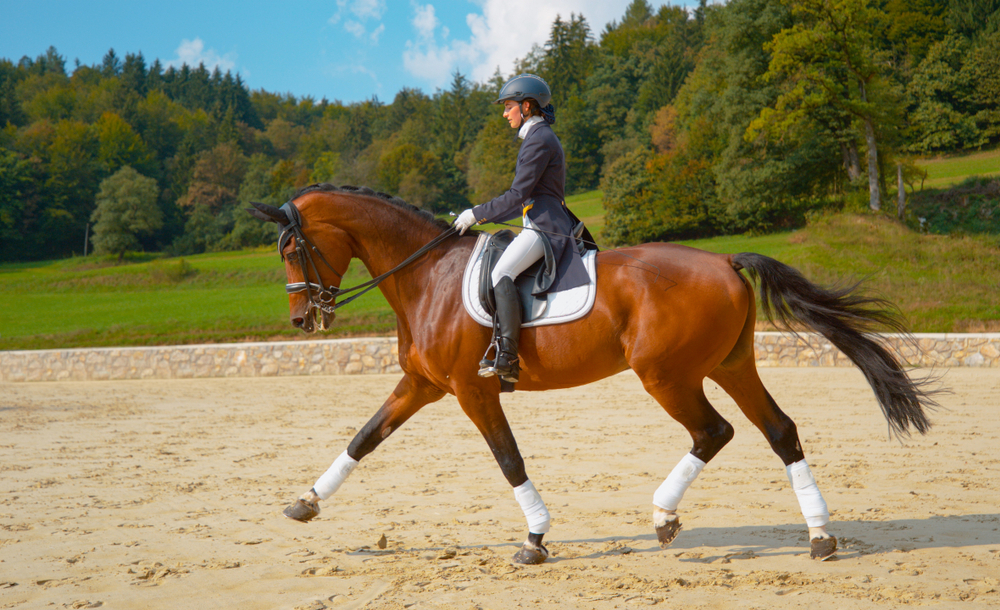
The relationship between humans and horses has long been built on partnership, trust, and performance. From leisure riding to competitive sports, horses are often expected to respond willingly to human direction. Yet a growing conversation in equine welfare asks a deeper question: Do horses truly consent to what we ask of them? Rethinking choice in training and riding challenges traditional assumptions and encourages a more ethical, horse-centered approach that prioritizes agency, communication, and well-being.
What Does “Consent” Mean in Horses?
Consent, in a human context, involves clear understanding and voluntary agreement. Horses, of course, cannot give verbal consent, but they do communicate continuously through body language, behavior, and physiological responses.
In equine training, “consent” can be understood as:
Willing participation without signs of distress or coercion
The ability to opt out or resist without punishment
A consistent pattern of relaxed, engaged behavior during interaction
Rather than blind obedience, consent-based training focuses on recognizing whether a horse is comfortable, curious, and cooperative.
How Horses Communicate Acceptance or Refusal
Horses express their comfort—or discomfort—through subtle and obvious signals. Learning to read these cues is essential for ethical handling.
Common signs of acceptance:
Relaxed posture, soft eyes, and steady breathing
Willing forward movement without tension
Engagement with the handler or rider
Common signs of refusal or distress:
Pinned ears, tail swishing, or head tossing
Tension, stiffness, or reluctance to move
Attempts to avoid, resist, or escape
These behaviors are not “bad attitude” but forms of communication that deserve attention rather than suppression.
Traditional Training vs. Consent-Based Approaches
- Pressure and Release Training
Many conventional methods rely on applying pressure until the horse complies, then releasing it as a reward. While effective in teaching responses, this approach can blur the line between learning and coercion, especially if the horse has limited opportunity to refuse. - Consent-Based Training
This emerging approach emphasizes:
Offering the horse choices during training
Rewarding voluntary participation
Allowing pauses, breaks, or disengagement
Building trust through positive reinforcement
Instead of asking “How do I make the horse do this?”, the question becomes “How can I invite the horse to participate willingly?”
- Riding with Awareness
In riding, consent means paying attention to how the horse feels under saddle. A horse that moves freely, responds lightly, and maintains a calm demeanor is more likely participating willingly than one that shows resistance or discomfort.
Benefits of Prioritizing Choice
Improved welfare: Horses experience less stress and fear when their signals are respected.
Stronger trust: A horse that feels heard is more likely to cooperate willingly.
Better performance: Relaxed and engaged horses often perform more consistently and confidently.
Safer interactions: Recognizing early signs of discomfort can prevent accidents.
Limitations and Challenges
Complete “consent” in the human sense may not be fully achievable due to the inherent power imbalance between humans and horses.
Time and patience are required to develop communication skills and trust.
Not all environments (e.g., competitive settings) easily accommodate a fully choice-based approach.
Misinterpretation of behavior can lead to confusion if handlers lack experience.
Practical Considerations
How to Start a Consent-Based Approach
Observe your horse closely and learn its individual signals
Incorporate groundwork that allows free movement and choice
Use positive reinforcement, such as rewards for voluntary behavior
Allow the horse to pause or step away without immediate correction
During Riding
Check for physical comfort (saddle fit, health, fatigue)
Ride with light cues and release quickly
Notice changes in mood or movement and adjust accordingly
When to Reassess
Persistent resistance or behavioral changes
Signs of pain or discomfort
Loss of enthusiasm or engagement
In these cases, consider veterinary evaluation or adjustments in training methods.
Conclusion
Rethinking consent in horse training is less about giving horses complete autonomy and more about honoring their voice within the partnership. By recognizing their signals, offering meaningful choices, and reducing reliance on force, we move toward a more respectful and ethical relationship. Horses may not speak our language, but they communicate clearly—if we are willing to listen.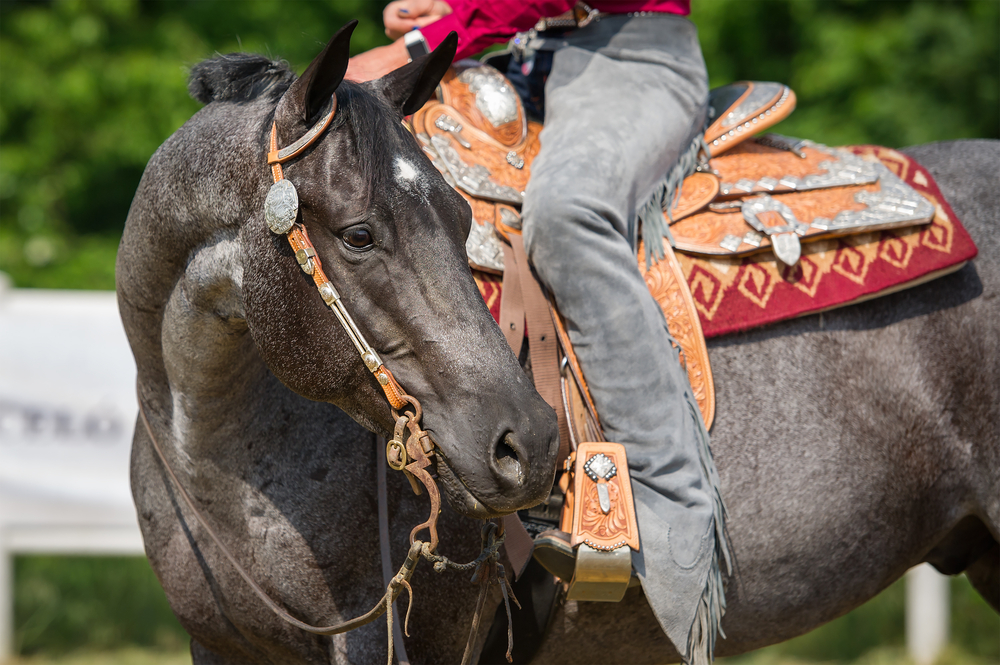
Related Guides
If you found this helpful, these related articles cover more ground:
- When Horses Say No: Consent, Choice, and Agency in Training
- Neuroplasticity in Horses: Can Training Physically Change the Brain?
- Barefoot vs. Shod: Rethinking Hoof Care for Modern Horses
- Rethinking Breeding: Ethics, Responsibility, and the Future of Horses
- Do Riding Crops Hurt Horses? A 2026 Welfare and Safety Guide

Written by
Phoebe writes about horse care, health, and behavior for Equestrian Space, blending hands-on stable experience with up-to-date veterinary guidance.