Back to top

Caring for Your Horse

Daily care, health, feeding, and welfare guidance for horse owners.

The Aesthetics of Movement: Why Watching Horses Feels Like Poetry

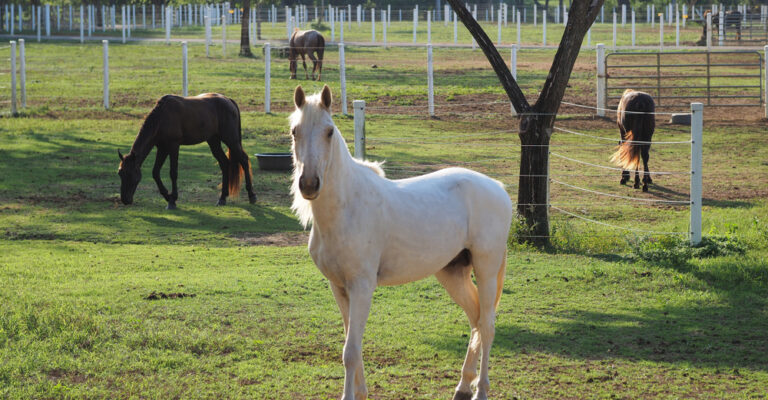
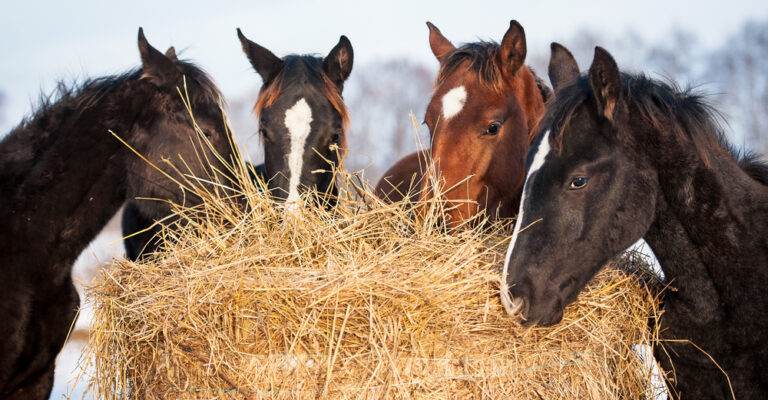
Brown and white horses standing together on a ranch

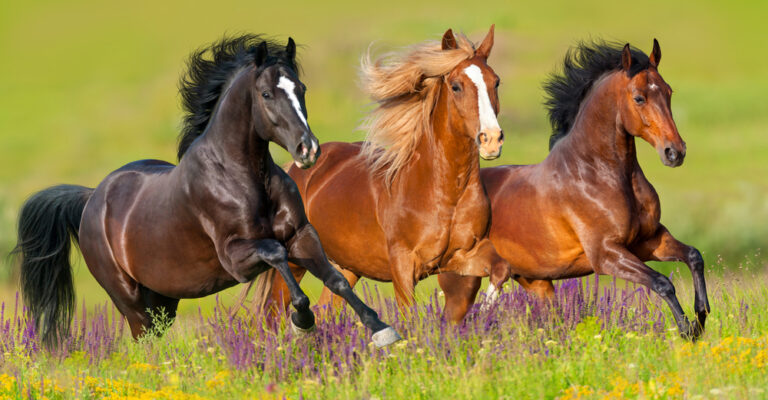
There is something undeniably captivating about the way a horse moves. Whether walking across a quiet pasture or galloping across an open field, every stride seems to flow with effortless rhythm and grace. Their movement has inspired artists, poets, and photographers for centuries because it captures a rare balance of power and elegance. A horse’s … Read more

Slow Training: The Case for Taking More Time Than Necessary

Slow Training: The Case for Taking More Time Than Necessary In a world that often celebrates speed, efficiency, and rapid results, the idea of deliberately slowing down can seem counterintuitive. Modern equestrian culture frequently rewards visible progress: moving up levels quickly, starting young horses earlier, mastering new skills rapidly, and achieving competitive milestones within ambitious … Read more

Bitless Bridles Revisited: Function, Fit, and Misconceptions

Horse and handler standing together in a stable environment

Bitless Bridles Revisited: Function, Fit, and Misconceptions Bitless riding has gained significant attention in recent years as more horse owners seek alternatives to traditional bitted bridles. Advocates often cite welfare benefits, improved communication, and increased comfort, while critics question whether bitless options provide adequate control or are appropriate for all horses and disciplines. As discussions … Read more

Liberty Training Beyond Tricks: Building True Partnership

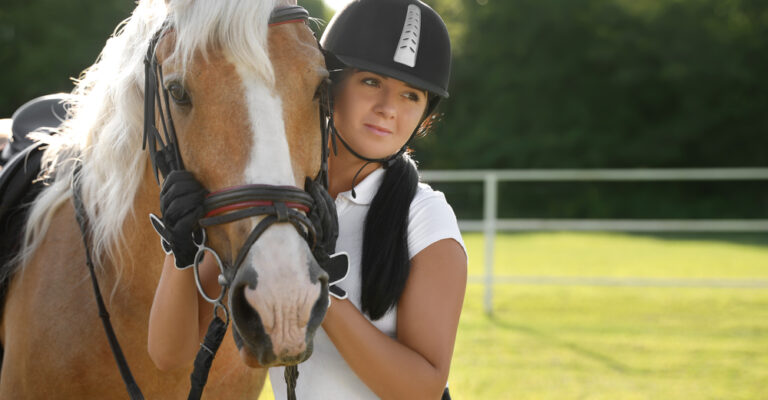
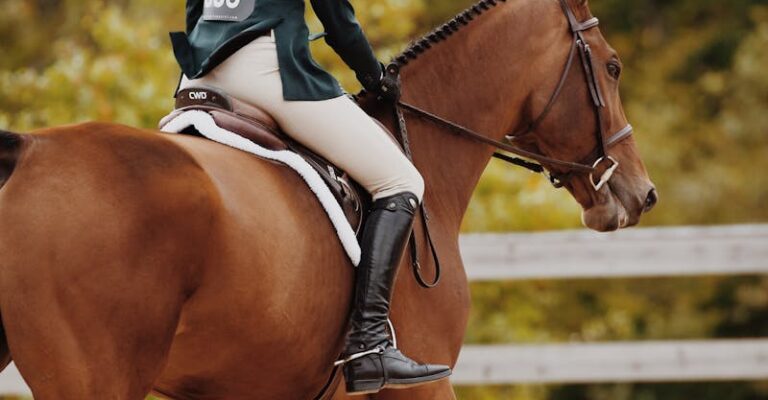
Rider wearing a certified equestrian helmet beside a chestnut horse in a bridle

Liberty Training Beyond Tricks: Building True Partnership Liberty training often captures attention through breathtaking displays: a horse cantering freely beside a person, lying down on cue, performing intricate maneuvers without ropes or reins, or responding to subtle gestures with apparent ease. Videos of these performances frequently attract admiration and curiosity, inspiring many horse owners to … Read more

The Pressure to Progress: When Improvement Becomes Obsession

The Pressure to Progress: When Improvement Becomes Obsession Equestrian sport is built on growth. Riders spend years refining their position, improving communication with their horses, and striving toward new goals. Progress is often celebrated as the ultimate measure of success—moving up a level, mastering a new skill, earning higher scores, or achieving competitive milestones. Ambition … Read more

Imposter Syndrome in Equestrian Sport: Feeling “Not Good Enough”

Horse losing its winter coat during fall shedding

Imposter Syndrome in Equestrian Sport: Feeling “Not Good Enough” Few sports demand the unique combination of skill, courage, patience, and partnership required in equestrianism. Riders spend countless hours training, caring for their horses, and striving to improve, yet many still carry a persistent and troubling thought: “I’m not good enough.” Whether you are a beginner … Read more

Farrier Science: The Balance Between Tradition and Evidence

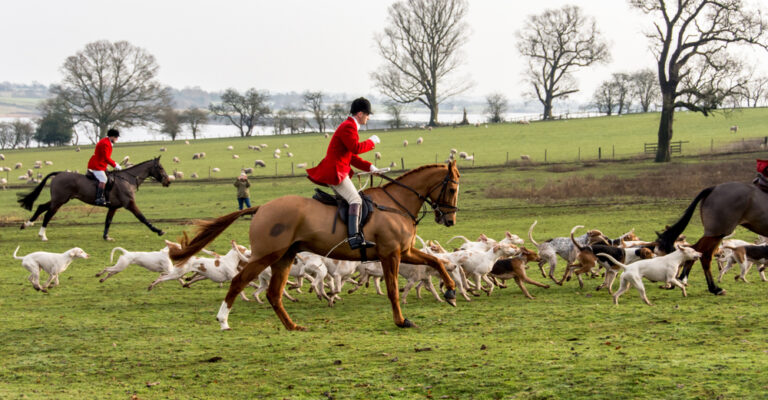
Horse used in a traditional hunting setting

IntroductionFarrier science sits at the intersection of craftsmanship and science, where centuries-old traditions meet modern research. Caring for a horse’s hooves is not just about routine trimming or shoeing—it is a critical aspect of equine health, performance, and longevity. Today’s farriers must balance time-honored practices with evidence-based approaches, ensuring that every decision supports both the … Read more

Inside the Vet Call: What Really Happens Behind Clinical Decisions

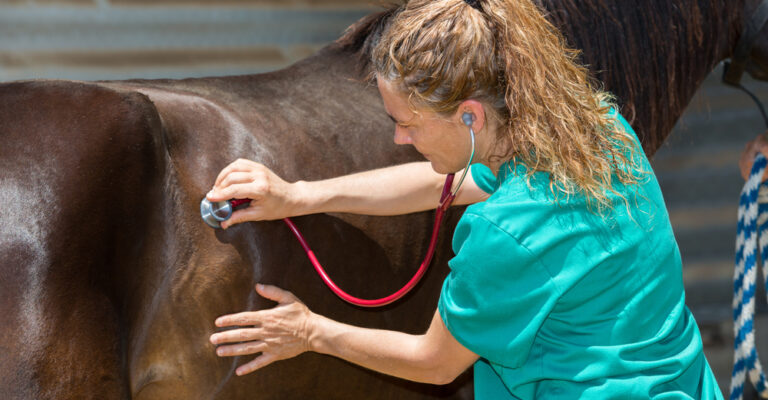
IntroductionWhen a veterinarian makes a clinical decision, it may look quick and straightforward from the outside—but behind that moment lies a careful, layered process of observation, reasoning, and responsibility. Every diagnosis or treatment plan is shaped by a combination of science, experience, and real-time judgment. Understanding what happens during a vet call offers insight into … Read more

The Economics of Hay: Supply Chains Every Horse Owner Should Understand

IntroductionHay is the foundation of most equine diets, yet many horse owners rarely consider the complex economics behind every bale. From weather patterns and land use to transportation and storage, the hay supply chain directly affects availability, quality, and price. Understanding how hay moves from field to stable can help horse owners make smarter purchasing … Read more

Are We Projecting? Human Emotion vs. Equine Reality

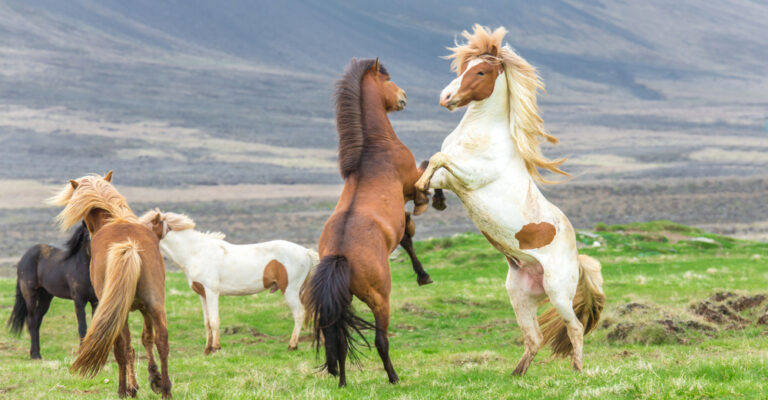
A group of long-maned horses, including a rearing pinto, grazing in a green field beneath mountains

IntroductionHorses have long captured human imagination—not just for their strength and grace, but for what we believe they feel. A pinned ear becomes “anger,” a soft nicker becomes “love,” and a turned back can feel like “rejection.” But how much of this is truly the horse’s emotional reality, and how much is a reflection of … Read more

Ownership vs. Stewardship: Who Do Horses Really Belong To?

IntroductionThe relationship between humans and horses has evolved over thousands of years, shaped by work, sport, companionship, and culture. Traditionally, horses have been viewed as property—assets that can be bought, sold, and owned. Yet, a growing perspective challenges this notion, emphasizing stewardship over ownership. This shift invites a deeper question: do we truly own horses, … Read more