Back to top

Caring for Your Horse

Daily care, health, feeding, and welfare guidance for horse owners.

The Moral Cost of Convenience in Modern Horsekeeping
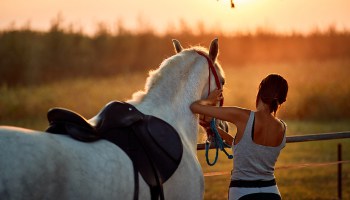
White horse being saddled outdoors while a handler holds its halter

IntroductionModern horsekeeping has never been more efficient. With automated feeders, pre-packaged feeds, quick-fix supplements, and labor-saving equipment, caring for horses has become more convenient than ever. For busy owners, these innovations can feel like a lifeline. Yet beneath this ease lies an important question: what are we trading away for convenience? The moral cost of … Read more

Do Horses Consent? Rethinking Choice in Training and Riding

Rider practicing flatwork with a horse in an arena

IntroductionThe relationship between humans and horses has long been built on partnership, trust, and performance. From leisure riding to competitive sports, horses are often expected to respond willingly to human direction. Yet a growing conversation in equine welfare asks a deeper question: Do horses truly consent to what we ask of them? Rethinking choice in … Read more

The Weekend Rider Lifestyle: Balancing Limited Time with Horse Care

Black dressage horse and rider performing in a competition arena

IntroductionFor many horse owners, riding is not a full-time lifestyle but a cherished weekend escape. The “weekend rider” lifestyle is built around passion, dedication, and the challenge of managing limited time. Balancing work, family, and other responsibilities while ensuring proper horse care can be demanding—but with thoughtful planning and consistency, it is entirely achievable. What … Read more

Remote Horse Ownership: Caring for Horses From a Distance

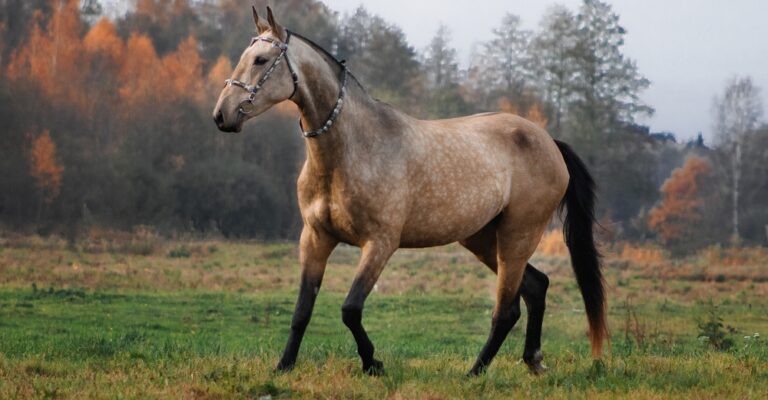
Bay horse walking in a grassy field beside a wooded area

IntroductionOwning a horse is a deeply rewarding experience, but not all owners can be physically present every day. Remote horse ownership has become increasingly common, whether due to work commitments, relocation, or boarding arrangements. While distance presents challenges, modern tools, proper planning, and strong communication with caretakers make it entirely possible to ensure a horse … Read more

Horses in a Post-Rural World: Adapting to Shrinking Land Access

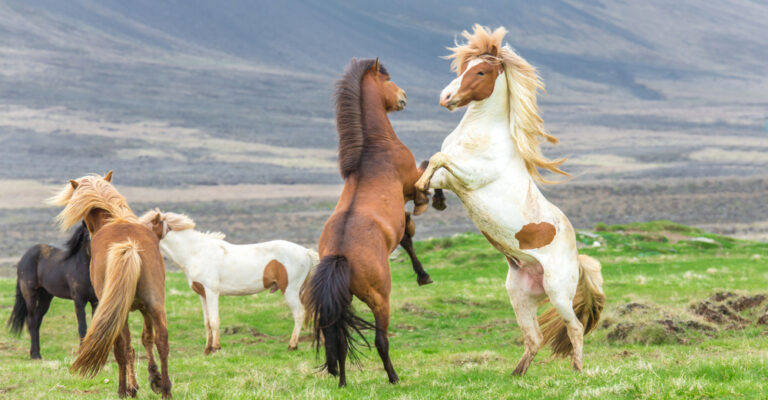
A group of long-maned horses, including a rearing pinto, grazing in a green field beneath mountains

IntroductionAs landscapes change and urban areas expand, horses are increasingly living in what can be described as a post-rural world—where open land is no longer abundant, and traditional grazing spaces are shrinking. Once symbols of wide-open fields and agricultural life, horses today must adapt alongside their owners to limited land access, rising property costs, and … Read more

Neuroplasticity in Horses: Can Training Physically Change the Brain?

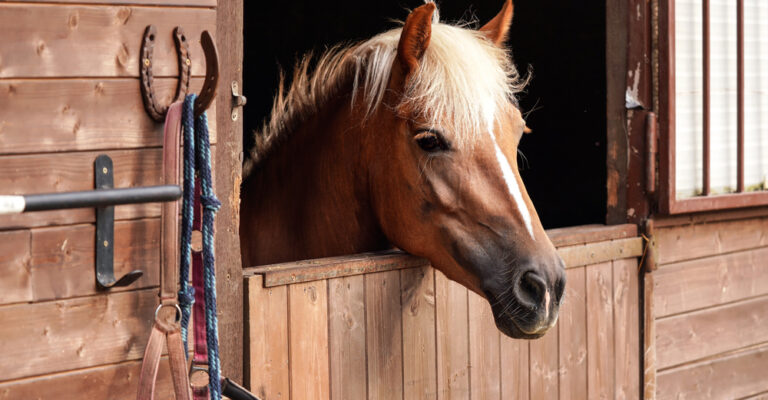
Chestnut horse looking out from a wooden stall door

IntroductionThe idea that training can physically change the brain is no longer limited to humans. In horses, growing evidence suggests that learning experiences—whether through groundwork, riding, or environmental exposure—can shape the structure and function of the brain. This remarkable ability, known as neuroplasticity, highlights how training is not just about behavior modification, but also about … Read more

The Chemistry of Bonding: Oxytocin and Human–Horse Relationships

A mare standing beside her young foal in a pasture

IntroductionThe bond between humans and horses is often described as deep, calming, and almost instinctive. Whether in therapy settings, sports, or simple companionship, many people report feeling an unspoken connection with these animals. Science offers an explanation for this phenomenon through the role of Oxytocin, sometimes called the “love hormone.” Understanding how oxytocin functions in … Read more

The Role of Circadian Rhythms in Equine Health and Performance

IntroductionCircadian rhythms play a vital yet often overlooked role in equine health and performance. These natural, internal biological clocks regulate a horse’s daily cycles, influencing sleep, metabolism, hormone production, and behavior. Aligning management practices with these rhythms can significantly improve a horse’s well-being, optimize athletic performance, and reduce the risk of stress-related disorders. What Are … Read more

Epigenetics in Horses: How Environment Shapes Future Generations

IntroductionWhile genetics determines the blueprint of a horse, it is the environment that often decides how that blueprint is expressed. This is where Epigenetics comes into play. Epigenetics refers to changes in gene activity that do not alter the DNA sequence itself but can still be passed from one generation to the next. In horses, … Read more

When Horses Say No: Consent, Choice, and Agency in Training

IntroductionTraining is often described as a conversation between horse and human. But for that conversation to be fair, both voices must matter. “When horses say no” does not always mean stubbornness, disrespect, or unwillingness. Often, it is communication. A horse may be expressing discomfort, confusion, fear, pain, or a genuine preference. Recognizing consent, choice, and … Read more

The Science of Softness: Why Gentle Training Works Better

Horse-riding instructor demonstrating a lesson exercise with a student

IntroductionTraining methods shape not only how horses learn, but also how they feel about learning. Gentle training, often called low-stress or humane training, focuses on clear communication, patience, and trust rather than fear or force. Modern animal behavior science shows that horses learn more effectively when they feel safe, understood, and free from unnecessary stress. … Read more

Aging Gracefully: Caring for Senior Horses in a Performance-Oriented World

Horse and rider illustrating a smooth gaited-horse stride

IntroductionIn a world where equine performance, competition, and athletic success are often prioritized, senior horses sometimes face the challenge of keeping up with demanding expectations. Yet, these experienced companions carry years of knowledge, loyalty, and partnership with their riders. Aging gracefully means recognizing the changing needs of older horses and adjusting care practices to ensure … Read more