
Introduction
When a veterinarian makes a clinical decision, it may look quick and straightforward from the outside—but behind that moment lies a careful, layered process of observation, reasoning, and responsibility. Every diagnosis or treatment plan is shaped by a combination of science, experience, and real-time judgment. Understanding what happens during a vet call offers insight into the complexity of animal healthcare and the thoughtful decisions that protect animal welfare.
What Happens During a Veterinary Call?
A veterinary consultation is far more than a simple check-up. It involves a structured process designed to gather information, assess the animal’s condition, and determine the best course of action.
This process typically includes:
Collecting the animal’s medical history
Observing physical and behavioral signs
Performing diagnostic tests if needed
Weighing possible diagnoses
Deciding on treatment or management plans
Key Factors That Shape Clinical Decisions
1. Clinical Observation and Physical Examination
The first and most immediate tool a veterinarian uses is observation. Subtle cues—like posture, breathing patterns, coat condition, or responsiveness—can reveal early signs of illness.
A physical exam may include:
Checking temperature, pulse, and respiration
Examining eyes, ears, mouth, and skin
Palpating (feeling) the abdomen or limbs
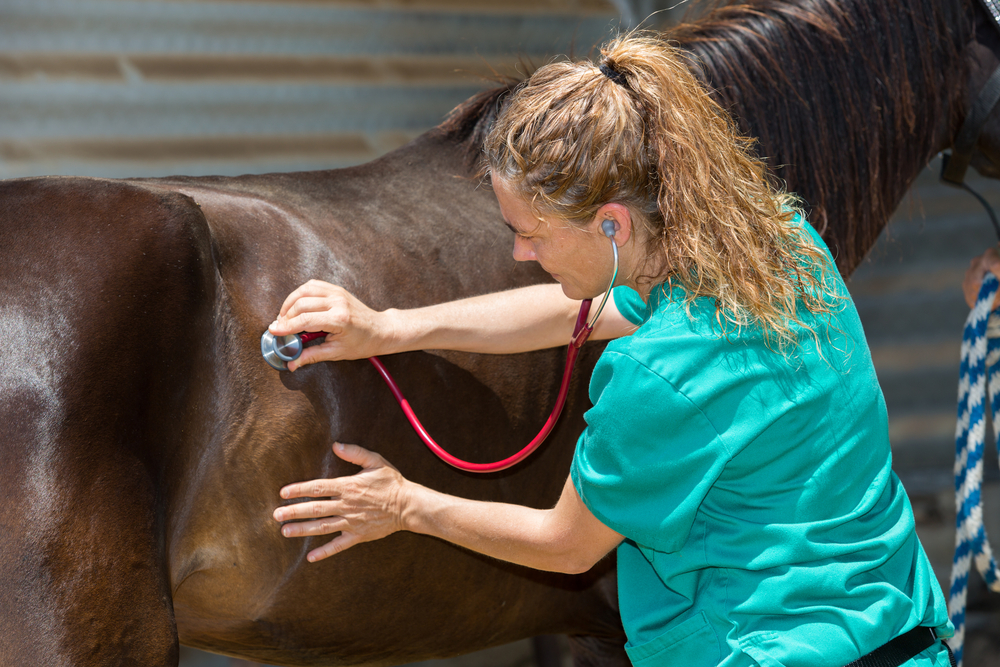
Listening to heart and lung sounds
These findings help form an initial impression that guides further investigation.
2. Medical History and Owner Input
Owners play a crucial role in clinical decisions. Information about recent behavior changes, diet, environment, or previous illnesses provides essential context.
Veterinarians often ask:
When did symptoms start?
Has the animal’s appetite or activity changed?
Any recent injuries or environmental changes?
What treatments have already been given?
Accurate history can significantly narrow down possible conditions.
3. Differential Diagnosis
Rather than jumping to one conclusion, veterinarians create a list of possible conditions—called a differential diagnosis.
For example, symptoms like lethargy and loss of appetite could point to:
Infection
Metabolic disorders
Pain or injury
Stress-related conditions
The goal is to systematically rule out possibilities until the most likely diagnosis remains.
4. Diagnostic Testing
When observation and history aren’t enough, diagnostic tools help confirm or refine a diagnosis.
Common tests include:
Blood tests to assess organ function or infection
Fecal exams for parasites
X-rays or ultrasound for internal structures
Skin scrapings or cultures
However, not all cases require extensive testing—veterinarians balance the need for accuracy with cost, accessibility, and urgency.
5. Risk Assessment and Prioritization
In many situations, especially emergencies, decisions must be made quickly. Veterinarians assess:
Severity of the condition
Risk of progression
Immediate threats to life or function
They may prioritize stabilizing the animal before confirming a full diagnosis.
6. Treatment Planning
Once a working diagnosis is established, the veterinarian designs a treatment plan tailored to the animal’s needs.
This may involve:
Medication (antibiotics, anti-inflammatories, etc.)
Surgical intervention
Dietary adjustments
Rest and monitoring
Preventive measures
Treatment decisions also consider the animal’s age, species, lifestyle, and overall health status.
7. Ethical and Practical Considerations
Veterinary decisions are not purely medical—they also involve ethical and practical factors.
These include:
The animal’s quality of life
Owner’s financial capacity
Availability of treatment options
Long-term prognosis
Veterinarians aim to recommend the best possible care while respecting real-world limitations.
The Role of Experience and Intuition
While science guides veterinary medicine, experience sharpens decision-making. Over time, veterinarians develop clinical intuition—recognizing patterns and subtle signs that may not be obvious in textbooks.
This blend of knowledge and instinct allows for faster, more confident decisions, especially in complex or unclear cases.
Limitations and Uncertainty
Even with advanced tools and expertise, veterinary medicine involves uncertainty.
Not all conditions present clearly
Some diseases mimic others
Test results may be inconclusive
Animals cannot verbally describe symptoms
Because of this, veterinarians sometimes rely on “best judgment” and adjust treatment as new information becomes available.
Communication with Owners
A crucial part of the vet call is explaining findings and recommendations in a clear, understandable way.
This includes:
Discussing possible diagnoses
Explaining treatment options and risks
Providing care instructions
Setting expectations for recovery
Good communication ensures that owners can confidently continue care at home.
Conclusion
Behind every veterinary decision is a thoughtful process that blends science, observation, experience, and compassion. What may appear as a quick diagnosis is often the result of careful evaluation and critical thinking under pressure. By understanding what happens inside a vet call, animal owners can better appreciate the complexity of veterinary care—and become more informed partners in safeguarding their animals’ health and well-being.
Related Veterinary Care Guides
For practical follow-up, see our guides to horse veterinary care, common horse diseases and ailments, and horse management.

Written by
Phoebe writes about horse care, health, and behavior for Equestrian Space, blending hands-on stable experience with up-to-date veterinary guidance.