
Introduction
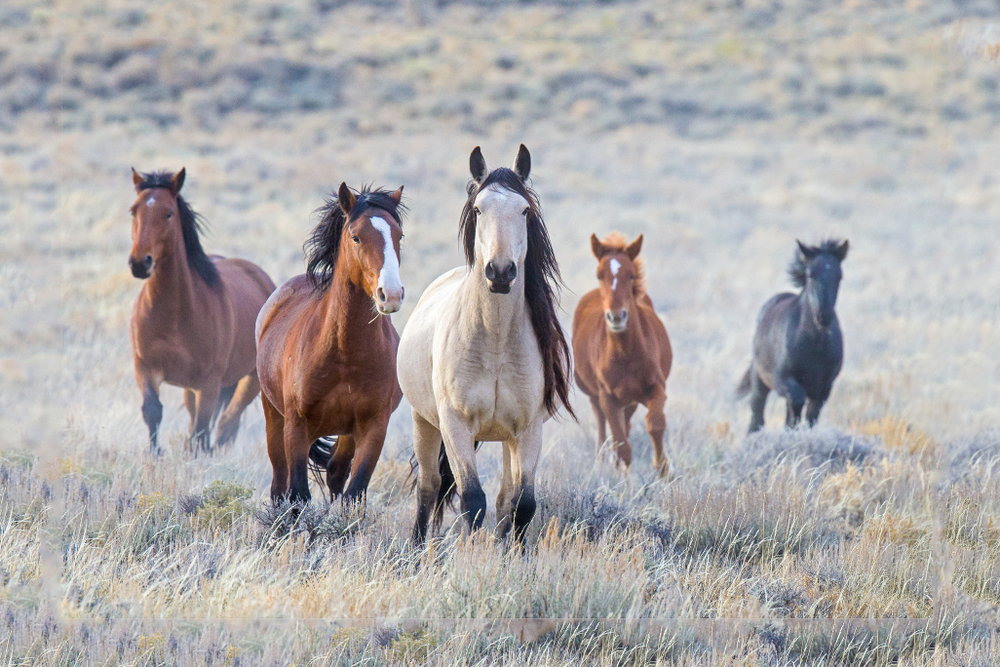
Horses are social animals that thrive within a group. From wild mustangs to stable-kept companions, their behavior is deeply influenced by herd dynamics. Understanding how horses communicate, form relationships, and maintain social order not only reveals the richness of their natural world but also helps owners create healthier and more harmonious environments. The language of the herd is subtle, expressive, and rooted in instinct—and learning it can transform the way we interact with horses.
What Is Herd Language?
Herd language refers to the silent system of communication horses use to express emotion, establish hierarchy, and maintain group harmony. Instead of vocal sounds, horses primarily rely on:
-
Body posture
-
Ear and tail position
-
Breathing patterns
-
Facial expressions
-
Physical proximity
While humans often communicate with words, horses use their bodies—every shift, look, and movement carries meaning.
Understanding Social Structure
Horses form structured groups for protection and support. Within the herd, roles naturally emerge:
| Role | Description | Purpose |
|---|---|---|
| Lead Mare | Often the oldest or most experienced female | Guides direction, ensures safety and grazing decisions |
| Stallion | Male responsible for herd protection | Defends the group, watches for threats |
| Subordinate Horses | Members of varying ranks | Follow leadership and maintain social harmony |
| Foals and Young Horses | Learning members | Develop social skills through observation and play |
This hierarchy is not about dominance through aggression; it’s about maintaining peace and coordination.
How Horses Communicate
1. Body Language Signals
Horses convey emotion through physical expression:
| Signal | Meaning |
|---|---|
| Ears forward | Curiosity or focus |
| Ears pinned back | Warning or irritation |
| Swishing tail | Annoyance or stress |
| Soft eyes and relaxed muscles | Comfort and trust |
| Stomping or pawing | Frustration, impatience, or alertness |
2. Mutual Grooming
Horses often nibble each other’s necks or backs to strengthen bonds. This behavior shows friendship, trust, and emotional closeness.
3. Spatial Awareness
Who moves whom indicates rank. Higher-ranking horses claim space; lower-ranking horses yield it.
Why Social Dynamics Matter
Herd interactions influence:
-
Behavior
-
Stress levels
-
Learning and development
-
Emotional well-being
Horses kept isolated may develop anxiety, aggression, or undesirable habits. Group living allows them to express natural behaviors that keep them mentally balanced.
Benefits of Understanding Herd Language
-
Improved Training and Handling
Recognizing subtle signals helps prevent misunderstandings and reduces stress during training. -
Safer Human-Horse Interactions
Knowing when a horse feels anxious, threatened, or content makes handling smoother and safer. -
Enhanced Welfare
Providing opportunities for horses to socialize promotes a healthier, more fulfilling life.
Limitations and Considerations
-
Domestic environments can’t always replicate wild herd life.
-
Some individual horses may struggle socially due to past trauma or health issues.
-
Herd introductions must be gradual to prevent aggression and stress.
Horse owners should consider personality, age, and temperament when forming groups.
Practical Tips for Supporting Healthy Herd Dynamics
Allow Social Interaction
Turnout time with other horses is essential.
Observe Behavior
Watch how horses communicate and respond—not just what they do.
Introduce New Horses Slowly
Use a barrier or adjacent pasture before full integration.
Ensure Adequate Resources
Multiple feeding spots reduce competition and bullying.
Conclusion
The language of the herd is a powerful and beautiful system rooted in instinct and cooperation. Horses depend on their social world for protection, learning, and emotional balance. By understanding their subtle communication and respecting their social needs, we deepen our connection with them and promote their overall well-being. Learning to “speak horse” is not just about training better—it’s about seeing the world through the eyes of one of nature’s most sensitive and socially intelligent animals.
Related Guides
If you found this helpful, these related articles cover more ground:
- Herd Dynamics 101: Social Stress, Stability, and Wellbeing
- The Impact of Social Isolation on Horses
- The Aesthetics of Movement: Why Watching Horses Feels Like Poetry
- Ownership vs. Stewardship: Who Do Horses Really Belong To?
- Do Horses Consent? Rethinking Choice in Training and Riding

Written by
Phoebe writes about horse care, health, and behavior for Equestrian Space, blending hands-on stable experience with up-to-date veterinary guidance.