Back to top

For the Love of Horses

Practical horse care, facility management, and riding knowledge — written for owners who want to do right by their horses.

Explore the BlogShop Horse Mats

Managing Equine Metabolic Syndrome: Practical Tips for Owners
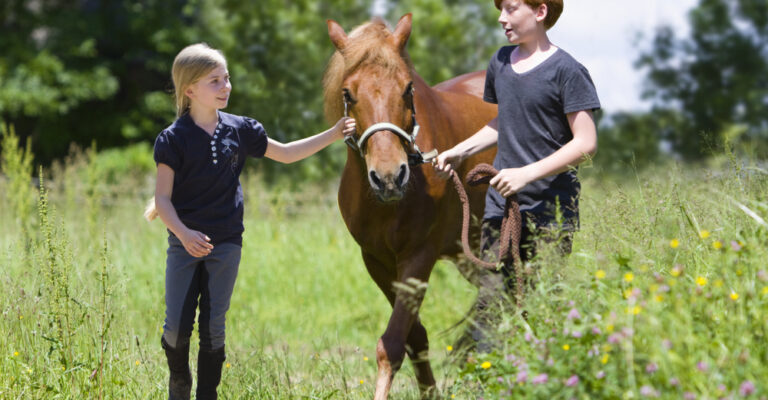
Chestnut horse being led through a grassy field by two children

IntroductionEquine Metabolic Syndrome (EMS) is a common and complex health condition in horses that affects their metabolism and hormone regulation. Characterized by insulin resistance, abnormal fat deposits, and an increased risk of laminitis, EMS can significantly impact a horse’s well-being if not properly managed. Fortunately, with a solid understanding of the condition and a proactive … Read more
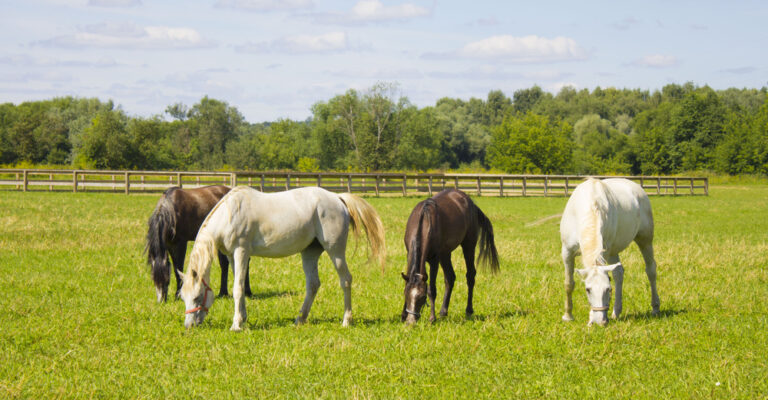
Is Your Horse Sleeping Enough? Understanding Equine Rest

🐴 Why Equine Sleep Matters Just like humans, horses need adequate rest to maintain their health, mood, and performance. However, the sleep patterns of horses are quite different and often misunderstood. Horses are prey animals, and their sleep behavior has evolved to reflect this, resulting in short, strategic rest periods rather than long, uninterrupted sleep. … Read more

What Genetic Testing Can Tell You About Your Horse’s Health

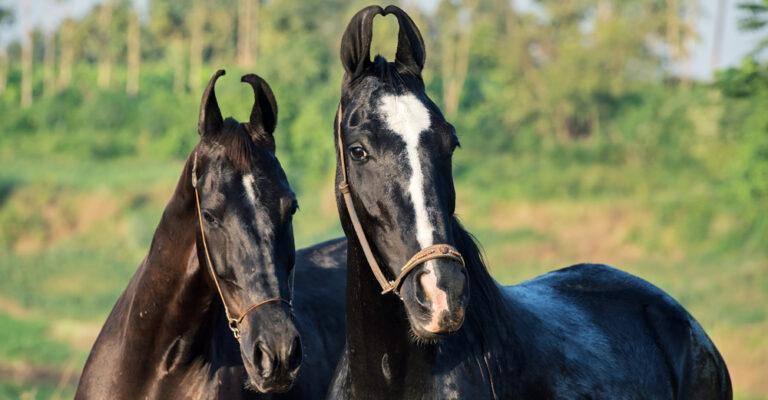
Two Marwari horses with dark coats

Introduction Genetic testing has become an essential tool in modern equine healthcare and breeding. By analyzing a horse’s DNA, owners, breeders, and veterinarians can uncover vital information about inherited diseases, performance traits, physical characteristics, and ancestry. Early knowledge of genetic predispositions can prevent health problems, guide responsible breeding decisions, and promote the overall welfare of … Read more

Acupuncture for Horses: Ancient Wisdom Meets Modern Care

Horse drinking water during a calm handling interaction

Ancient Wisdom Meets Modern Care Introduction Acupuncture, a key component of Traditional Chinese Medicine (TCM), dates back over 3,000 years. Originally developed for human health, acupuncture has found a valuable place in modern equine veterinary care. The practice involves inserting thin needles into specific points on the horse’s body to stimulate healing responses and balance … Read more

Can Horses Feel What We Feel? Exploring Emotional Mirroring

Horse and handler standing together in a stable environment

Exploring Emotional Mirroring Introduction For centuries, humans have sensed a unique emotional bond with horses. Riders and handlers often report that their horses seem to “read their minds” or mirror their moods. Modern research supports the idea that horses, as highly perceptive prey animals and social creatures, are capable of emotional mirroring, also known as … Read more

Why Play Matters: Encouraging Healthy Behavior in Young Horses

Why Play Matters: Encouraging Healthy Behavior in Young Horses Introduction Play is a vital part of development in young horses. It promotes physical fitness, social bonding, cognitive growth, and emotional resilience. Observing and encouraging healthy play behavior in foals and young horses is one of the best investments caretakers can make for their long-term well-being … Read more

Recognizing Trauma in Horses—and What You Can Do to Help

Bay horse being led along a farm path beside a stable

Introduction Horses, like humans, can experience trauma. Whether caused by abuse, neglect, accidents, or chronic stress, trauma can manifest in both physical and psychological ways. Recognizing the signs of trauma early and taking appropriate action can significantly improve a horse’s quality of life and restore trust and comfort. Understanding Trauma in Horses What Is Equine … Read more

Advancements in Stem Cell Therapy for Horses

What Is Stem Cell Therapy? Stem cells are the body’s master cells—capable of transforming into specialized cells like muscle, bone, tendon, or cartilage. In equine therapy, stem cells are typically harvested from the horse’s: Bone marrow Adipose (fat) tissue Umbilical cord blood (for donor-based treatments) Once collected, the cells are processed and then injected directly … Read more

Understanding Equine Allergies: Causes, Symptoms, and Solutions

Horse dental chart comparing tooth changes from about 1 to 15 years

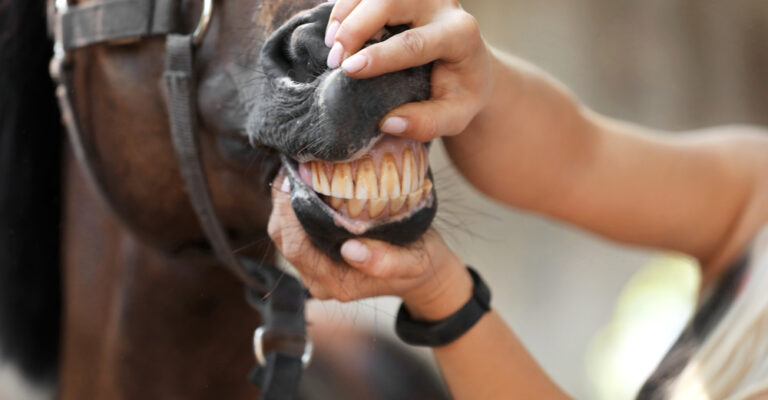
Gums check up for Hydration What Are Equine Allergies? An allergy is an overreaction of the immune system to a substance (called an allergen) that’s normally harmless. In horses, this response can trigger symptoms that range from mild irritation to more serious respiratory or skin issues. Common Causes of Allergies in Horses Allergies can be … Read more