
How to Transport a Horse Overseas Safely
Moving a horse across an ocean is a project involving veterinary planning, import rules, a specialist carrier, and careful welfare decisions. The exact requirements vary by origin, destination, disease status, and transport route, so treat this article as a planning framework—not a substitute for an accredited veterinarian, the destination country’s authorities, or the carrier’s current instructions.
Start with the destination rules and a realistic timeline
Begin by contacting an equine veterinarian who handles international exports and a transport company experienced with the exact route. Many destinations require an official health certificate, identification documents, specific laboratory tests, vaccinations, treatments, and government endorsement. Some also require pre-export isolation or post-arrival quarantine. Requirements can change, and a certificate that is valid for one destination may be unusable for another.
If the move is voluntary, allow several months rather than booking a flight first. Ask the carrier for its document deadline and build a calendar backward from the intended arrival date. For U.S. exporters, USDA APHIS directs owners to destination-specific animal-export information and its Veterinary Export Health Certification System (VEHCS); owners outside the United States should use their own national veterinary authority.
Choose a specialist equine transport company
Use a carrier that can explain the complete door-to-door chain: farm collection, road transport, airport handling, flight, customs, quarantine or inspection, and delivery to the destination stable. Ask:
- Which airlines, aircraft types, and routes are available?
- How are horses grouped, stalled, watered, fed, and monitored?
- Where are the veterinary inspection and customs handoffs?
- What happens during delays, missed connections, extreme weather, or a medical problem?
- Who is responsible for insurance, import documents, and emergency decisions?
International air shipments must follow the current airline and IATA requirements for live-animal transport, including the approved stall or container arrangement, labeling, acceptance checks, and handling procedures. Do not assume a familiar domestic trailer or a preferred airline can be used for every international route.
Complete the veterinary preparation
Your veterinarian should create a horse-specific plan based on age, fitness, respiratory history, metabolic health, hoof condition, temperament, and the expected duration of the journey. Common preparation tasks may include:
- Confirming the horse’s identification, passport or registration documents, and microchip details where required.
- Reviewing vaccination history and completing destination-specific testing within the permitted time window.
- Performing a pre-travel examination and documenting any existing injury, medication, or condition.
- Planning parasite treatments or other required procedures without giving medication solely to make a horse appear calm.
- Discussing hydration, electrolyte use, feeding, and a safe plan for any horse that is anxious, a poor drinker, or prone to shipping fever.
Ask the veterinarian what signs require a delay. Fever, coughing, nasal discharge, diarrhea, lameness, dehydration, or a horse that is not eating normally should not be dismissed because the flight is already paid for. A delayed trip is frustrating; transporting an unwell horse can become an emergency.
Prepare the horse for loading and the journey
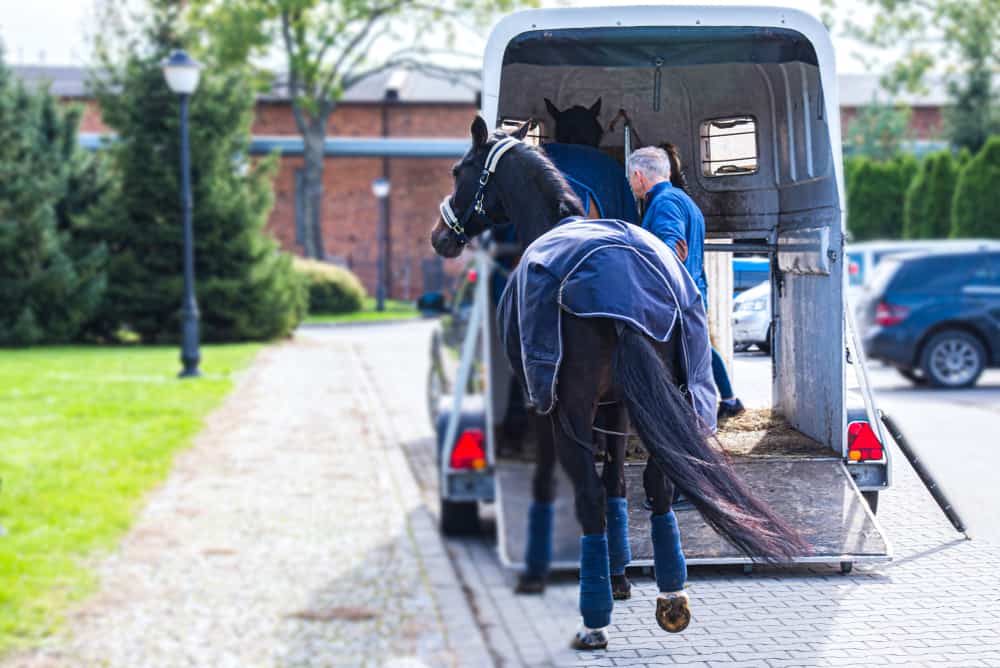
Practice calm loading and unloading well before travel day. A horse that can quietly walk into a trailer, stand, back out, and accept handling by unfamiliar people is easier to manage through multiple handoffs. Avoid exhausting the horse with hard exercise immediately before departure. Keep the final feed and water plan consistent with veterinary and carrier instructions, and provide the carrier with clear written information about diet, medications, behavior, and emergency contacts.
Do not make abrupt changes to feed, bedding, shoes, or turnout immediately before departure. If the horse normally wears protective shipping equipment, practice with it in advance and check for rubbing. The goal is secure, breathable, non-restrictive equipment that the horse tolerates—not the most elaborate setup.
Protect welfare during loading, flight, and arrival
Transport should be organized around the horse’s welfare rather than the cheapest itinerary. Ask about total journey time, planned rest opportunities, ventilation, access to water, and how staff recognize heat stress, dehydration, respiratory illness, panic, or injury. A shorter route is not automatically safer if it creates rushed transfers or poor handling.
At arrival, follow the veterinarian’s plan for unloading, hydration, feeding, temperature checks, and biosecurity. Give the horse time to recover from the journey before demanding hard work. Monitor appetite, manure, water intake, respiratory signs, temperature, swelling, and attitude. Contact a veterinarian promptly if the horse develops fever, depression, persistent coughing, colic signs, breathing difficulty, or refuses food and water.
International horse transport checklist
- Destination import rules verified with the relevant authority.
- Accredited veterinarian and specialist carrier booked.
- Health certificate, tests, vaccinations, identification, and endorsements scheduled in the correct windows.
- Insurance and emergency decision-maker confirmed.
- Airline/IATA stall requirements and route handoffs documented.
- Horse loading, equipment, feeding, and hydration plan practiced.
- Receiving stable, quarantine, biosecurity, and veterinary follow-up arranged.
Frequently asked questions
How early should I plan an overseas horse move?
Start as early as possible—often several months ahead—because testing windows, government endorsements, airline space, quarantine rules, and route availability can all control the schedule. Your veterinarian and carrier should set the exact timeline.
Can any horse fly internationally?
No. A horse must meet the origin and destination health requirements and be fit enough for the planned journey. A veterinarian should assess illness, injury, pregnancy, age, respiratory risk, temperament, and any condition that could worsen during transport.
Is air travel stressful for horses?
Loading, unfamiliar handling, confinement, noise, and long travel can be stressful. Specialist equine carriers reduce risk through trained staff, suitable stalls, ventilation, monitoring, careful scheduling, and a horse-specific veterinary plan. Sedation should never be improvised; discuss any medication with the veterinarian and carrier.
What should I do when the horse arrives?
Follow the receiving veterinarian’s instructions, unload calmly, offer water according to the plan, check temperature and behavior, maintain biosecurity, and allow recovery before exercise. Seek veterinary advice for fever, respiratory signs, colic signs, dehydration, injury, or refusal to eat or drink.
Related horse-travel guides
- How Do Showjumping Horses Travel to Competitions?
- The Role of Regular Exercise in Horse Health
- Can Horses Stay Outside in Winter?
- Equine Hydration and Preventing Dehydration
Sources and official guidance
- USDA APHIS: international animal travel and export guidance
- IATA: questions and answers for shipping live animals by air
- FEI Code of Conduct for the Welfare of the Horse

Written by
Phoebe writes about horse care, health, and behavior for Equestrian Space, blending hands-on stable experience with up-to-date veterinary guidance.