
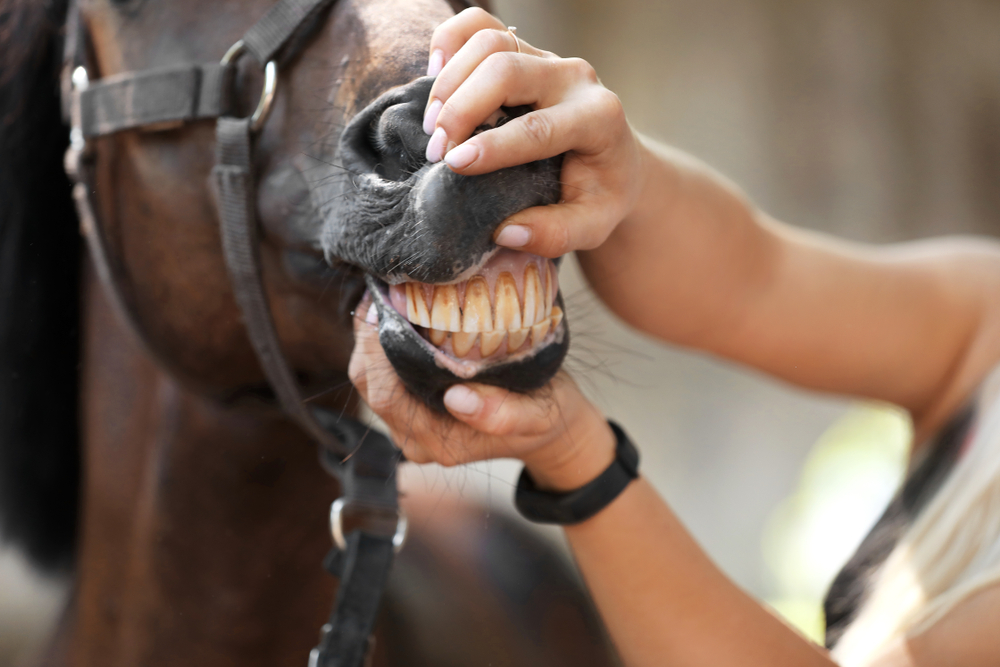

What Are Equine Allergies?
An allergy is an overreaction of the immune system to a substance (called an allergen) that’s normally harmless. In horses, this response can trigger symptoms that range from mild irritation to more serious respiratory or skin issues.
Common Causes of Allergies in Horses
Allergies can be triggered by a variety of environmental and dietary factors, such as:
🌿 Environmental Allergens
-
Dust, mold, and pollen (especially from hay or bedding)
-
Insects (like midges, flies, and mosquitoes—especially in summer)
-
Stable irritants (ammonia from urine, poor ventilation)
🍽️ Food Allergies
-
Some horses may react to certain grains or feed ingredients, though true food allergies are relatively rare.
🧴 Topical Irritants
-
Shampoos, sprays, or tack cleaners can sometimes cause skin reactions in sensitive horses.
Common Symptoms of Equine Allergies
Depending on the type of allergy, symptoms may include:
Respiratory Signs:
-
Coughing
-
Nasal discharge
-
Labored breathing or wheezing (especially during exercise)
-
Head shaking
Skin Reactions:
-
Itchy or scabby skin (often on the face, belly, or tail)
-
Hives or welts
-
Hair loss from rubbing or scratching
General Symptoms:
-
Lethargy
-
Decreased performance
-
Irritability
How to Diagnose Allergies
Work with your vet to rule out other causes (parasites, infections, etc.). Diagnosis may involve:
-
Physical exam
-
Allergy testing (intradermal skin testing or blood tests)
-
Environmental assessment (to identify potential allergens)
Solutions and Management Strategies
🧼 Environmental Management
-
Use dust-free bedding (like paper or wood shavings)
-
Soak hay to reduce dust and mold spores
-
Improve stable ventilation
-
Keep stables and feeding areas clean and dry
🐜 Insect Control
-
Use fly sheets, masks, and repellents
-
Avoid turnout at peak bug hours (dawn and dusk)
-
Consider insect-proof stalls or screens
🧪 Medical Treatment
-
Antihistamines or corticosteroids for flare-ups (as prescribed)
-
Immunotherapy (desensitization injections based on allergy testing)
-
Omega-3 supplements to reduce inflammation
🐴 Dietary Adjustments
-
Eliminate suspected allergens (with vet guidance)
-
Switch to low-dust, hypoallergenic feeds
-
Monitor for improvement over time
When to Call the Vet
If your horse shows persistent symptoms, struggles to breathe, or develops significant skin irritation, contact your vet. Allergies are manageable—but they can worsen without proper treatment.
Final Thought
Allergies may be frustrating, but they don’t have to derail your horse’s health or happiness. With attentive care, smart management, and support from your vet, your horse can thrive—comfortably and confidently, all year round.
Sources and Further Reading
Allergies can look similar to infections, parasites, irritation, or other respiratory disease. A veterinarian should diagnose the cause before medication or supplements are started. These veterinary references provide useful background:
- Merck Veterinary Manual: Asthma in Horses
- Merck Veterinary Manual: Itching (Pruritus) in Horses
- American Association of Equine Practitioners: Common Equine Eye Conditions
Frequently Asked Questions
What are the most common signs of allergies in horses?
Common signs include seasonal itching, hives or welts, rubbing, hair loss, coughing, nasal discharge, or breathing difficulty. These signs overlap with other conditions, so persistent or severe symptoms warrant a veterinary examination.
Can dusty hay or bedding trigger breathing problems?
Yes. Dust and mold exposure can contribute to equine asthma and other airway problems. Improving ventilation and reducing airborne dust may help, but a veterinarian should guide diagnosis and treatment when a horse coughs or struggles to breathe.
When is a horse allergy an emergency?
Seek urgent veterinary help for marked breathing difficulty, rapidly developing facial swelling or hives, collapse, or any sign that the horse cannot breathe normally. Do not give human medication unless your veterinarian specifically directs you to do so.
Related Guides
If you found this helpful, these related articles cover more ground:
- Horses and the Law: Understanding Equine Liability and Insurance
- Understanding Equine Nutrition: What Every Owner Should Know
- Are We Projecting? Human Emotion vs. Equine Reality
- The Role of Circadian Rhythms in Equine Health and Performance
- Playing God or Preserving Bloodlines? Ethical Questions in Equine Genetics

Written by
Phoebe writes about horse care, health, and behavior for Equestrian Space, blending hands-on stable experience with up-to-date veterinary guidance.