
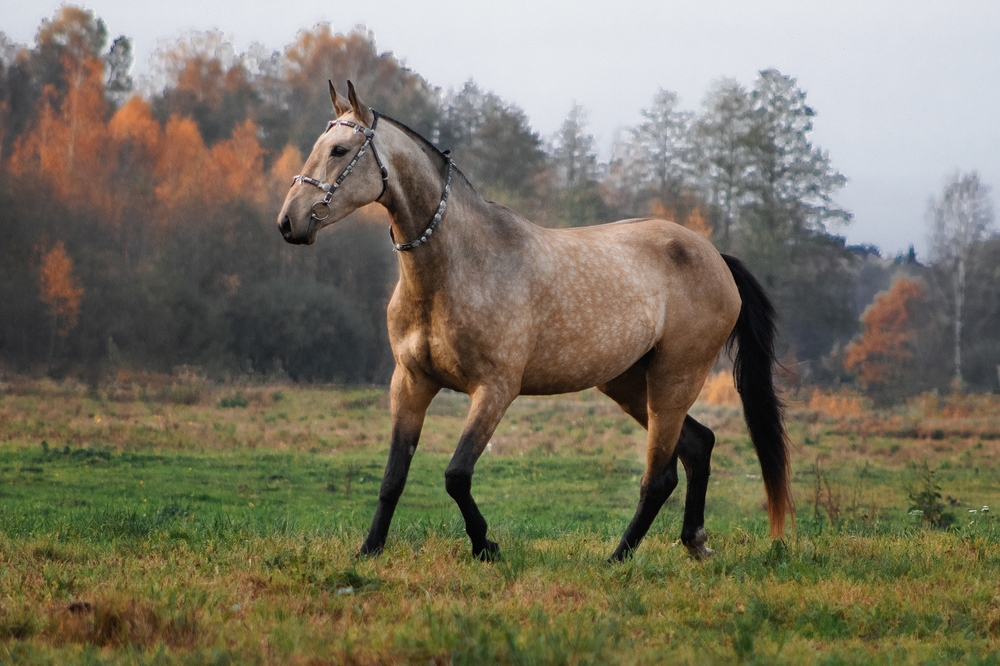
Heat stress occurs when a horse produces or absorbs more heat than it can safely dissipate. Hot weather, high humidity, direct sun, poor airflow, dehydration, transport, and exercise can all increase the risk. A horse’s size, fitness, age, body condition, coat, health, and acclimation also matter, so there is no single air-temperature cutoff that predicts danger for every horse.
What are the signs of heat stress in horses?
Watch the horse, not just the thermometer. Early or moderate heat stress may include heavier-than-expected sweating, faster breathing, an elevated pulse, weakness, dullness, reduced coordination, or reluctance to continue work. A horse that is still breathing hard after exercise should be allowed to rest in a cool, ventilated area while you monitor it closely.
Do not assume that sweating always means the horse is coping well. Excessive sweating can lead to fluid and electrolyte loss. Conversely, a hot horse that stops sweating or has a dry coat can be in serious trouble, although coat dryness by itself is not a diagnosis. Abnormal behavior, stumbling, collapse, muscle tremors, signs of colic, or marked depression warrant urgent veterinary advice.
How hot is too hot for a horse?
Temperature and humidity work together. Humid air slows evaporation, the main way a working horse loses heat, so a warm, muggy day can be more stressful than a hotter but dry day. Exercise adds another major heat load. A fit horse that is acclimated to local conditions may tolerate a workload that would overwhelm an unfit, overweight, elderly, young, ill, or recently transported horse.
Rectal temperature, heart rate, and breathing rate can help a veterinarian assess a horse, but owners should not delay a call while trying to reach a particular number. A persistently high temperature after cooling, very rapid breathing at rest, severe weakness, neurologic signs, or collapse should be treated as an emergency.
What should you do if a horse is overheating?
- Stop work and move the horse safely. Bring it into shade or a well-ventilated area if this can be done without forcing a weak or uncoordinated horse to walk.
- Call a veterinarian for serious or persistent signs. Call immediately for collapse, confusion, stumbling, severe weakness, colic-like signs, inability to drink, or failure to improve.
- Offer access to clean water. Do not force water into the mouth. A hot horse may need veterinary-directed fluid therapy, especially after heavy sweating.
- Begin sensible cooling. Continuous cool water over the neck, chest, shoulders, and large muscle groups can help; scrape or remove warmed water and repeat. Fans and shade improve heat loss when available.
- Keep monitoring. Recheck breathing, attitude, coordination, and temperature if you have safe equipment and know how to use it. Follow the veterinarian’s instructions even if the horse appears better.
Avoid delaying cooling to debate whether the water is “too cold.” Current veterinary guidance emphasizes rapid, continuous cooling for a severely overheated horse. Do not use alcohol on the skin, give electrolytes or medications without appropriate advice, or resume exercise simply because sweating has slowed.
How can heat stress be prevented?
- Provide clean, accessible water and check tanks or automatic drinkers frequently in hot weather.
- Offer shade and airflow; make sure fans, cords, and fixtures are safely installed.
- Schedule demanding work for cooler conditions and reduce intensity when heat and humidity are high.
- Acclimate horses gradually when they move into a hotter climate or begin a new workload.
- Allow recovery breaks and watch breathing, sweating, attitude, and coordination rather than relying only on elapsed time.
- Plan extra care for horses with anhidrosis, respiratory disease, obesity, illness, advanced age, or poor fitness.
- During travel, provide ventilation, safe stops, and a plan for water and veterinary help.
Heat stress, heat stroke, and anhidrosis
These terms are related but not interchangeable. Heat stress describes difficulty managing body heat. Heat stroke is a severe, potentially life-threatening progression that may include very high temperature, neurologic changes, collapse, and organ injury. Anhidrosis is reduced or absent sweating and can make cooling difficult; a horse with suspected anhidrosis needs veterinary evaluation rather than a home electrolyte experiment.
Frequently asked questions
Can horses get heat stress on a cloudy day?
Yes. Humidity, poor airflow, exercise, transport, and individual health can create heat stress even when the sky is cloudy or the air temperature seems moderate.
Should I hose a horse with heat stress?
For a severely overheated horse, continuous cool-water cooling is commonly recommended while contacting a veterinarian. Apply water over large muscle groups, remove warmed water, and keep repeating rather than applying one brief rinse and stopping.
What does it mean if a hot horse stops sweating?
A dry coat in a hot, distressed horse can be a serious warning sign, but it is not enough to diagnose the cause. Stop exercise, start safe cooling, and contact a veterinarian promptly.
When is heat stress an emergency?
Collapse, confusion, stumbling, severe weakness, muscle tremors, colic-like signs, very rapid breathing at rest, persistent overheating, or failure to improve with cooling require urgent veterinary attention.
Related horse-care guides
- How Cold Can Horses Tolerate?
- Can Horses Stay Outside in Winter?
- How Long Can a Horse Stay in a Stable?
- How Many Calories Do You Burn Riding a Horse?
Sources: Merck Veterinary Manual guidance on heat stress and rapid cooling; American Association of Equine Practitioners Guidelines Library; University of Minnesota Extension guidance on horse water management.

Written by
Phoebe writes about horse care, health, and behavior for Equestrian Space, blending hands-on stable experience with up-to-date veterinary guidance.