
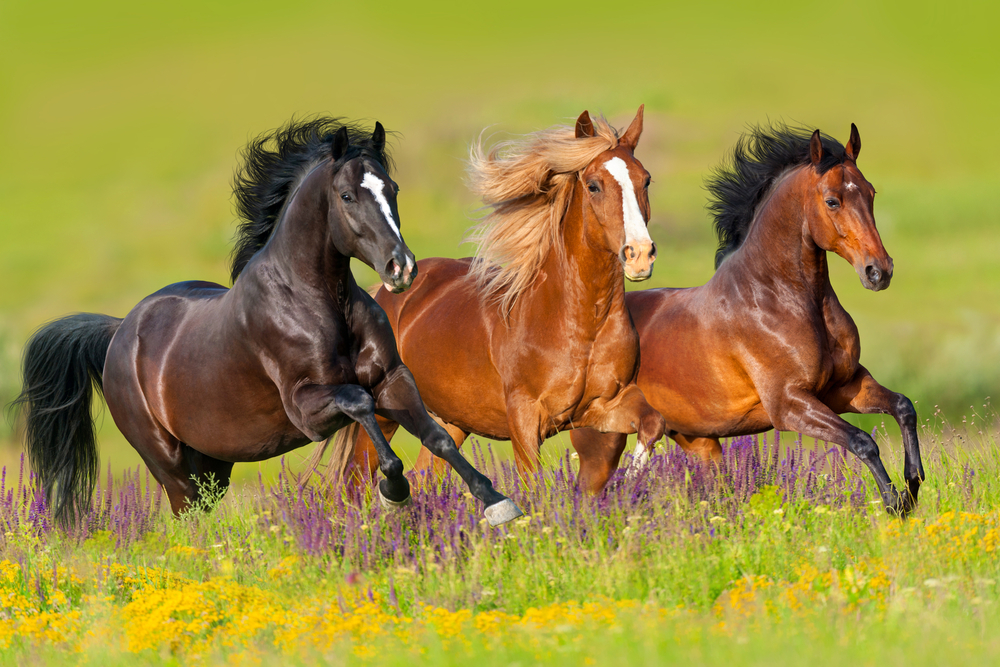
Short answer: horses can detect and respond to human emotional cues, but “emotional mirroring” should not be treated as mind-reading. A horse may react to changes in your posture, voice, movement, facial expression, breathing, or handling pressure. Those signals can change the horse’s attention and arousal without proving that the horse feels the same emotion in the human sense.
What researchers mean by emotional contagion
In animal-behavior research, emotional contagion describes a change in one individual’s state after exposure to another individual’s affective cues. It is a more cautious term than saying a horse “absorbs your feelings.” A horse might become more vigilant when exposed to fear-related cues or show a different response to positive cues, while still interpreting the situation through its own sensory and learning systems.
A 2025 study exposed horses to videos combining human facial and vocal expressions of fear, joy, or a neutral state. The researchers measured behavioral and physiological responses rather than asking whether the horses felt a human emotion. The findings support the idea that human emotional signals can matter to horses, but they do not establish human-like empathy or identical feelings.
How horses detect changes in people
Body position and movement
Horses are highly responsive to movement and spatial pressure. A handler who braces, moves abruptly, leans forward, or changes rein and leg pressure may give the horse information even without intending to. A relaxed horse can also become alert when the person beside it changes suddenly.
Voice and facial cues
Horses can distinguish meaningful differences in human voices and facial expressions. That does not mean a horse understands a human facial expression as a person would. It means the expression or sound can become a relevant cue through perception, experience, or both.
Smell and physiology: avoid overclaiming
It is reasonable to say that horses use smell and other senses when assessing people and their surroundings. It is not accurate to claim that every horse can reliably “smell fear” or that a handler’s heart rate automatically synchronizes with the horse’s. Those stronger claims require specific evidence and should not be presented as settled facts.
Signs your horse is responding to your state
- more scanning, startle responses, or tension when your movements become abrupt;
- changes in attention when your voice, posture, or pressure changes;
- relaxation when cues become quiet, consistent, and predictable;
- behavior that changes when the environment, pain level, tack, or training demand changes.
Do not diagnose an emotional explanation from one behavior. A pinned ear, tail swish, reluctance, or sudden spook can also reflect pain, fear learning, tack problems, fatigue, or an environmental trigger. Rule out welfare and physical causes before labeling a horse “reactive to your emotions.”
How to help a horse when you are anxious
- Pause and lower the pressure. Stop adding cues while you assess the environment and your horse.
- Use one consistent signal. Avoid rapidly repeating leg, rein, or voice commands.
- Return to a familiar, easy task. Reward calm attention instead of pushing through escalating tension.
- Check the basics. Look for pain, ill-fitting tack, footing, heat, insects, isolation, or a new environmental trigger.
- Get help when needed. Sudden or dangerous behavior deserves veterinary assessment and skilled professional support.
A more accurate way to think about the bond
The human–horse relationship is a two-way communication system. Horses notice our cues, and we learn to notice theirs. Calling that connection “emotional mirroring” can be useful as long as it leads to calmer, clearer handling—not to assumptions that a horse is responsible for managing a person’s emotions. For practical welfare guidance, see our guides on how horses may experience riding, helping a horse that will not lunge, equine behavior and reproduction, and why horses nudge people.
Frequently asked questions
Can horses sense human emotions?
Yes, evidence indicates that horses respond to human emotional cues, but that is not the same as reading thoughts or feeling an identical human emotion.
Do horses mirror human emotions?
Sometimes their arousal or behavior may change after exposure to a person’s cues. “Emotional contagion” is the more precise scientific description; the response varies by horse and context.
Can a nervous rider make a horse nervous?
A nervous rider can unintentionally provide cues through tension, movement, voice, or inconsistent pressure. Environmental and physical causes must also be considered.
What should I do if my horse reacts to my stress?
Pause, reduce pressure, check for physical or environmental causes, and resume with predictable cues. Seek veterinary or professional behavior help for sudden or dangerous reactions.
Sources and further reading
- Scientific Reports: Emotional contagion of fear and joy from humans to horses
- National Library of Medicine: study methods and findings
- The Guardian: reporting on horse recognition of human facial emotion

Written by
Phoebe writes about horse care, health, and behavior for Equestrian Space, blending hands-on stable experience with up-to-date veterinary guidance.