
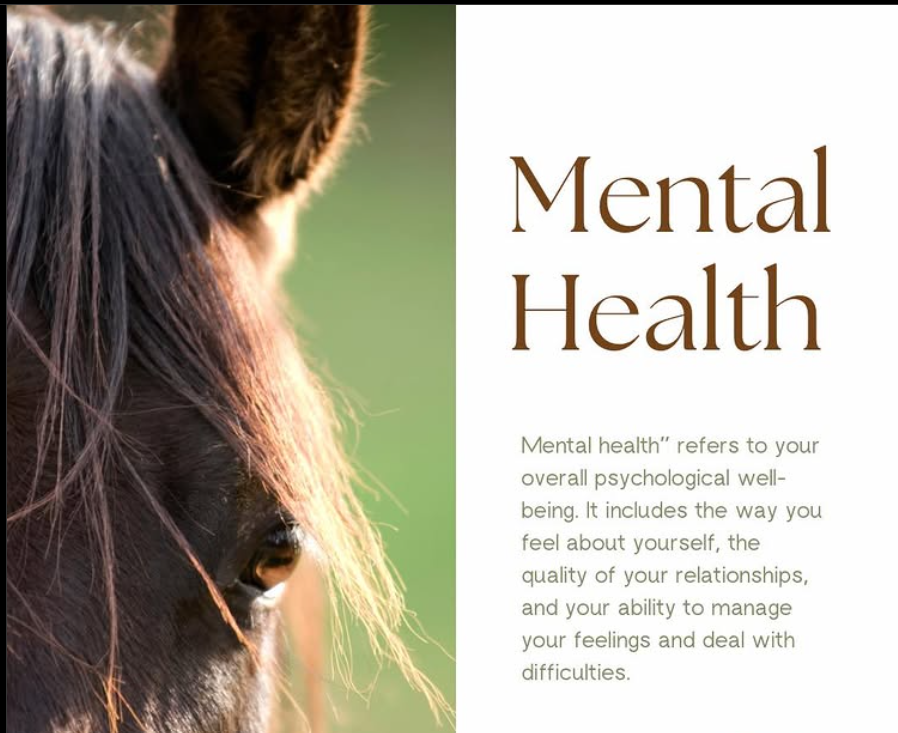
Horses communicate constantly, but their expressions are easy to misread when we assign a single meaning to one signal. A horse with pinned ears may be angry, worried, or responding to pain; a horse with wide eyes may be frightened, surprised, or struggling to see. The safest way to decode your horse’s emotional expressions is to read the whole horse—face, posture, movement, breathing, behavior, and context—rather than relying on one isolated cue.
Start with the context, not the label
Before deciding that a horse is “happy,” “stubborn,” or “aggressive,” ask what changed. Is the horse separated from a companion, being handled in a new place, anticipating food, wearing unfamiliar equipment, or showing a sign that could indicate discomfort? Compare the horse with their normal baseline. A relaxed horse generally has a loose posture and can return to ordinary behavior after a mild distraction; an anxious or painful horse may remain tense, avoid interaction, or show repeated changes in eating, movement, or attitude.
How to read a horse’s face
- Eyes: A soft expression and normal blinking can accompany relaxation. A fixed stare, tense muscles around the eye, repeated wide-eyed scanning, or visible white may signal fear, high arousal, or discomfort—but lighting and facial markings matter.
- Ears: Ears forward often reflect attention or interest. Ears moving between sounds show active monitoring. Flattened ears are a warning to give space, but they do not prove a particular emotion without the surrounding context.
- Nostrils and breathing: Flaring can occur with exercise, excitement, heat, fear, or pain. Look at breathing rate and recovery, not nostril shape alone. Labored breathing at rest needs prompt veterinary attention.
- Muzzle and jaw: A loose lower lip may occur during rest, while a tightly clamped mouth, grinding, repeated yawning, or unusual chewing can be associated with stress, discomfort, or tack problems.
Body language: posture and movement
Posture often tells you whether arousal is rising or falling. A horse that stands evenly, moves freely, and can soften after a stimulus is giving you different information from one that braces, freezes, bolts, repeatedly paws, or cannot settle. Tail swishing can reflect flies, irritation, pain, or concentration. A raised head may indicate alertness; a lowered head may indicate relaxation, fatigue, or illness. Interpret the movement pattern and the situation together.
Common emotional states and the safer response
Relaxed and comfortable
Look for a loose topline, mobile but non-rigid ears, regular breathing, normal appetite, and willingness to move or pause. Continue observing rather than demanding interaction. Horses should be allowed to disengage without being punished.
Alert or worried
Scanning, a high head, tension through the neck, quickened breathing, fidgeting, or attempts to increase distance can indicate concern. Reduce pressure, increase distance from the trigger, and give the horse time to process. Do not trap a frightened horse in a corner or interpret flight as disobedience.
Defensive or potentially dangerous
Pinned ears, a threatening posture, striking, kicking, biting attempts, or a horse turning the hindquarters toward a person are safety signals. Step out of the danger zone and address the underlying trigger with qualified help. Punishment can suppress warning signals without resolving fear, pain, or conflict.
Possible pain or illness
Sudden irritability, reluctance to move, unusual facial tension, repeated pawing, sweating, appetite changes, abnormal posture, or a major change from normal behavior should not be dismissed as an emotional “attitude.” Remove obvious hazards, avoid forcing work, and contact a veterinarian when signs are sudden, severe, persistent, or accompanied by colic, lameness, breathing difficulty, or neurologic changes.
Use a whole-horse observation routine
When your horse’s expression changes, record the time, trigger, duration, food and water intake, manure, movement, environment, and any new equipment or handling. Check the horse from a safe position and compare both sides of the body. A short video can help your veterinarian or behavior professional see patterns that are difficult to describe. Never diagnose a medical problem from a facial expression alone.
Frequently asked questions
How can I tell if my horse is happy?
No single expression proves happiness. Consistent relaxed posture, normal appetite and rest, comfortable movement, social engagement, and the ability to recover from ordinary surprises are more useful indicators than a permanently forward ear or lowered head.
What does it mean when a horse pins their ears?
Pinned ears are a clear warning to use caution, but the cause may be fear, frustration, pain, resource guarding, or social conflict. Give space, identify the trigger, and investigate pain or equipment problems if the behavior is new or repeated.
Can a horse’s facial expression show pain?
Facial tension and changes around the eyes, ears, nostrils, or mouth can contribute to pain assessment, but they are not a diagnosis. A new expression combined with movement, appetite, posture, or performance changes warrants veterinary advice.
Should I punish a horse for showing fear?
No. Punishing fear can increase arousal and remove useful warning signals. Make the situation safer, reduce pressure, and use gradual training with a qualified professional when needed.
Sources and Further Reading
- Frontiers in Veterinary Science: Equine facial expressions and pain assessment
- International Society for Equitation Science: evidence-based horse behavior and training principles
- MSD Veterinary Manual: overview of horse behavior
Related Guides
- Why Does a Horse Rub Its Head on You?
- Do Horses Like Humans?
- Cognitive Enrichment for Horses
- Recognizing Pain in Stoic Horses

Written by
Phoebe writes about horse care, health, and behavior for Equestrian Space, blending hands-on stable experience with up-to-date veterinary guidance.