
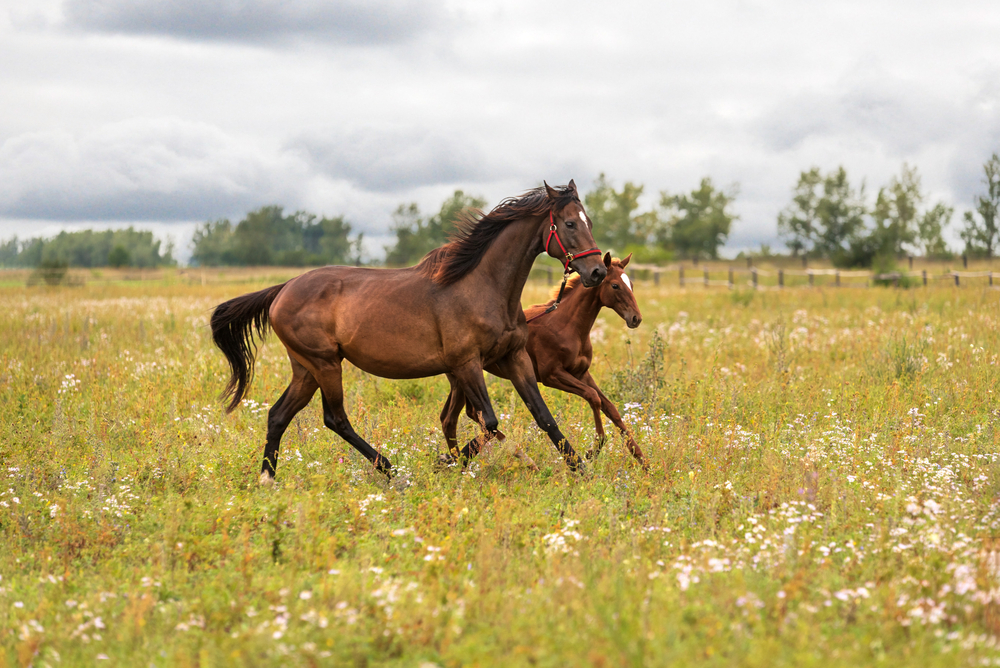
Most domestic horses live roughly 25 to 30 years, but that range is a guide—not a deadline. Breed, genetics, size, workload, nutrition, dental health, hoof care, pasture and stable management, injury history, and access to veterinary care all influence an individual horse’s longevity. Some horses remain comfortable and active well into their 30s, while others develop serious disease much earlier.
The useful question is not only “How long do horses live?” It is also whether the horse is maintaining weight, moving comfortably, eating safely, and enjoying an appropriate quality of life. This 2026 guide explains the lifespan range, what changes with age, and the practical care that helps an older horse stay healthy.
What is the average lifespan of a horse?
A reasonable planning range for a well-managed domestic horse is about 25–30 years. The figure includes substantial individual variation, so it should not be used to predict a particular horse’s remaining years. Smaller ponies and some hardy types may live longer on average, while very large horses can have different risks associated with size and conformation. Those are broad tendencies, not rules for every breed.
Modern preventive medicine, improved nutrition, dentistry, farriery, parasite control, vaccination, and safer housing have helped many horses reach older age. The horse’s work history and current comfort matter more than a number on a calendar.
When is a horse considered a senior?
There is no single birthday at which every horse becomes “old.” Many owners begin a closer senior-care review around 15–20 years, but a horse’s condition is more informative than its age. Loss of topline, slower recovery, difficulty chewing, stiffness, recurring illness, or unexplained weight loss deserves attention whether the horse is 12 or 25.
Senior does not automatically mean retired. An older horse may continue light work if a veterinarian finds it appropriate, the horse remains willing and comfortable, and the workload is adjusted for soundness, footing, weather, recovery time, and body condition.
What helps horses live longer?
Keep preventive veterinary care current
Routine physical examinations help identify dental disease, pain, metabolic problems, arthritis, vision changes, and weight loss before they become emergencies. Ask your veterinarian to tailor examinations, vaccinations, parasite control, and screening to the horse’s age, region, exposure, and medical history. A new change in appetite, manure, drinking, breathing, behavior, or mobility should not be dismissed as “just old age.”
Protect eating ability and body condition
Dental wear can make it difficult for an older horse to chew long-stem hay efficiently. Signs include quidding, dropping feed, slower eating, coughing while eating, partially chewed hay, or weight loss. Your veterinarian or equine dental professional can recommend an examination schedule and a safe ration. If chewing is compromised, a soaked, nutritionally complete senior feed or other forage replacement may be appropriate—but changes should be gradual and professionally guided.
Use body-condition and muscle assessment rather than appetite alone. A horse can eat enthusiastically and still lose weight because of dental disease, pain, poor forage access, or an underlying illness.
Maintain regular hoof and movement care
Consistent farrier work, appropriate trimming or shoeing, and safe exercise help preserve mobility. Older horses often benefit from a longer warm-up, shorter sessions, level and well-maintained footing, and a careful recovery check. Persistent lameness, reluctance to move, repeated stumbling, or difficulty lying down and rising warrants veterinary assessment.
Make the living environment low-stress and safe
Provide clean water, shelter, adequate forage access, and enough space for the horse to move without being bullied away from feed. Watch herd dynamics: an older horse may need a compatible companion or a feeding arrangement that prevents competition. Reduce avoidable fall hazards, keep paths well drained, and inspect fences, gates, flooring, and stall surfaces regularly.
Do larger horses live shorter lives?
Size can influence health risks and longevity, but it does not determine an individual horse’s lifespan. Large horses may face different orthopedic, metabolic, or cardiovascular challenges, while smaller horses may have their own age-related risks. Good breeding, sound management, preventive care, and early treatment are more useful predictors for day-to-day decisions than size alone.
How can you tell whether an older horse is comfortable?
Track trends in appetite, weight, muscle, movement, social behavior, sleep and rest, grooming, manure, and willingness to perform normal activities. A simple weekly record with photographs can reveal gradual change that is easy to miss. Discuss pain-control options, dental findings, diet, and workload with your veterinarian rather than relying on a single good or bad day.
Quality-of-life decisions should be made with a veterinarian and based on comfort, function, and welfare. Seek prompt veterinary help for severe or persistent pain, inability to rise, breathing difficulty, repeated choke or colic signs, rapid weight loss, or a sudden change in behavior.
Frequently asked questions
Can a horse live to be 30 years old?
Yes. Thirty is within the possible lifespan of a well-managed domestic horse, although individual outcomes vary. A horse’s comfort and health history are more important than reaching a particular age.
Is a 20-year-old horse too old to ride?
Not necessarily. Some 20-year-old horses can remain comfortable in light or moderate work. A veterinarian should assess soundness and health, and the workload should match the horse’s condition, recovery, and willingness.
How often should a senior horse see a veterinarian?
The appropriate interval depends on the horse’s health, age, dental status, region, and medications. Many senior horses benefit from at least an annual physical examination, with more frequent visits when a condition or dietary problem requires monitoring.
What is the most important senior-horse warning sign?
Any meaningful change from the horse’s normal pattern matters. Weight loss, difficulty chewing, persistent stiffness or lameness, reduced appetite, repeated colic signs, or trouble rising should prompt a veterinary conversation rather than an assumption that aging is the only cause.
Related horse-care guides
- How many babies can a horse have?
- How wild horses maintain their hooves
- Do horses sit?
- Are horses afraid of mice?
Sources and further reading
- University of Minnesota Extension: Caring for Your Senior Horse
- Oklahoma State University Extension: Caring for the Older Horse
- Iowa State University Extension: Feeding the Senior Horse
Related guides for older-horse care
For practical follow-up, see our guides on caring for senior horses, how oral health affects the whole horse, equine dentistry, and how long it is safe for a horse to lie down.
Related Horse-Care Guides
Horse longevity is closely tied to practical daily care. These related guides cover senior-horse management, dental care, age assessment, and the special considerations of miniature horses:
- Caring for senior horses as they age
- Why routine equine dentistry matters
- How to estimate a horse’s age
- How long miniature horses live

Written by
I've been around horses since I was 6 years old and started competing at the age of 9. Horses are my greatest passion and I am thrilled to be able to share my 23 (and counting) years of experience and knowledge with you.