
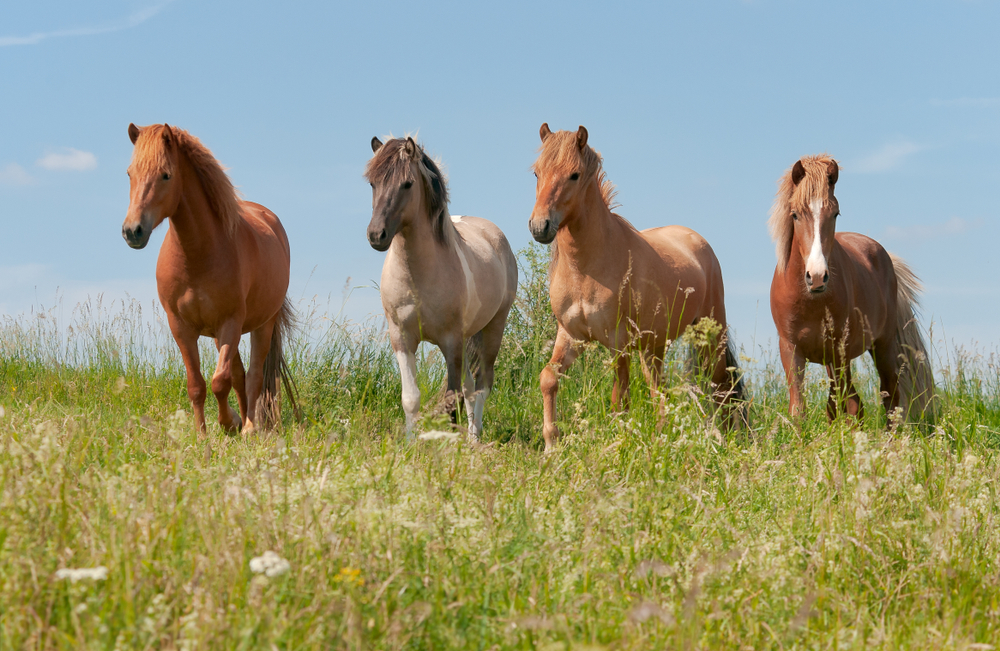
Short answer: horses are not naturally afraid of mice as a specific species. A horse may still be scared for a moment—spooking, stepping away, or bolting—if a mouse suddenly runs from bedding, squeaks nearby, or appears in a blind spot. The reaction is usually to unexpected movement or sound—not proof that the horse has a special fear of mice.
Are horses scared of mice? Why a horse might react
Horses are prey animals. Their primary safety strategy is to notice a possible threat and create distance quickly. Rutgers equine-behavior guidance notes that horses are highly sensitive to movement and sound, and that a stimulus a person barely notices can trigger an alarm response. A small animal moving suddenly at a horse’s feet can therefore produce a startle even when the horse has no lasting fear of mice.
Context matters. A mouse walking across the edge of a stall in daylight may be ignored. The same mouse bursting from a pile of bedding when a horse is resting, or squeaking close to the horse’s face, can cause a jump. A horse that spooks once may settle within seconds after identifying the unfamiliar movement as harmless.
Do horses and mice live together?
They sometimes occupy the same barn, but that is not a beneficial or reliably “symbiotic” relationship. Mice are attracted to grain, hay particles, bedding, warmth, and shelter. They can hide around feed rooms and stall walls without the horse showing obvious concern. Their presence should still be treated as a barn-management problem rather than something to encourage.
Rodents can chew feed bags, foul surfaces, damage electrical wiring, and contaminate feed with urine, feces, hair, and pathogens. TheHorse and USDA equine guidance both emphasize rodent-proof feed storage because contaminated feed can create a health risk. Never assume that a calm horse means the barn is safe from rodents.
Related guides: Why does a horse rub its head on you? · Can horses run themselves to death? · How many babies can a horse have?
What do horses fear more than mice?
Horses vary by temperament, training, eyesight, and experience, so there is no universal list of “scary” objects. Common triggers include:
- sudden movement, especially from a blind spot;
- unfamiliar sounds, rustling, or squeaking;
- predator-like shapes and fast-moving animals;
- changes in footing, shadows, puddles, or objects in a familiar place;
- pain, poor vision, fatigue, or an unpleasant previous experience.
Do not label every startle as disobedience. A horse’s ears, head position, breathing, tension, and willingness to return attention can help you judge whether it is briefly alert or genuinely distressed. Repeated or escalating spooking deserves a check for pain, vision problems, tack fit, environmental stress, or a training issue.
What should you do if your horse spooks at a mouse?
- Protect yourself first. Keep your feet clear and do not corner, chase, or grab at a frightened horse. If you are mounted, follow your trainer’s safety plan and avoid pulling the horse toward the trigger.
- Give the horse space. Let it look, listen, and regain balance. A calm voice and quiet body language are more useful than punishment.
- Remove the immediate hazard. Secure the horse before moving bedding, feed, or equipment. Do not reach blindly into a stall where a rodent may startle the horse.
- Reintroduce the environment gradually. Once the horse is calm, allow it to investigate from a safe distance. Never deliberately throw or release mice around a horse as a “desensitization” exercise.
- Address the rodent problem. Store concentrates in sealed, rodent-resistant containers, clean up spilled feed promptly, remove accessible clutter, seal openings where practical, and use a pest-control plan that cannot expose horses or other animals to poison.
How can you keep mice out of a horse barn?
Use a practical feed-room routine: keep grain off the floor, close containers immediately after use, sweep spills, rotate stock so old feed is not forgotten, and inspect bags and corners for droppings or chew marks. Ask a veterinarian or qualified pest professional for advice if rodents are widespread, particularly before using traps or rodenticides around horses, dogs, cats, wildlife, or feed.
Clean contaminated feed and bedding out of the horse’s reach. If a horse has eaten visibly contaminated feed or develops colic, diarrhea, fever, depression, or another concerning sign, contact your veterinarian promptly and keep the feed packaging for identification.
Frequently asked questions
Are horses naturally afraid of mice?
No. Horses do not appear to have a species-specific fear of mice, but an individual horse can startle at a mouse’s sudden movement, squeak, or appearance in a blind spot.
Can a mouse make a horse bolt?
Yes. A startle response can make a horse step away or bolt, especially in a dark stall, while resting, or when the mouse appears unexpectedly. The risk comes from the horse’s flight response, not necessarily from a persistent mouse phobia.
Should I let mice live in my horse’s stall?
No. Even if the horse ignores them, rodents can contaminate feed, damage the barn, and create a biosecurity concern. Control access to feed and use a horse-safe pest-management plan.
How do I stop my horse from spooking at small animals?
Rule out pain and vision problems, improve management, and work with an experienced trainer on calm, gradual exposure. Do not punish the horse or force it toward the trigger.
Sources and Further Reading
Sources: Rutgers Cooperative Extension: The Basics of Equine Behavior; TheHorse: Rodent Control in Horse Stables; USDA APHIS Equine 2015 guidance.

Written by
I've been around horses since I was 6 years old and started competing at the age of 9. Horses are my greatest passion and I am thrilled to be able to share my 23 (and counting) years of experience and knowledge with you.