
Introduction
When people think of equine dentistry, the first thing that often comes to mind is “floating the teeth.” While floating is an important part of dental care, it’s only one piece of a much larger picture. Equine dentistry plays a critical role in a horse’s overall health, comfort, performance, and longevity. Understanding what lies beyond the float helps owners make informed decisions and ensures horses receive comprehensive, preventive dental care.
What Is Equine Dentistry?
Equine dentistry is the branch of veterinary medicine focused on the examination, diagnosis, treatment, and prevention of dental disorders in horses. Because horses’ teeth continuously erupt throughout most of their lives, they are especially prone to dental imbalances that can affect chewing, digestion, behavior, and performance.
A complete dental exam typically includes:
-
Visual inspection of incisors and cheek teeth
-
Use of a full-mouth speculum
-
Assessment of bite alignment and tooth wear
-
Identification of abnormalities such as fractures, infections, or sharp enamel points
Beyond Floating: Common Dental Procedures
-
Dental Floating (Routine Maintenance)
Floating smooths sharp enamel points that develop as a result of uneven tooth wear. These points can cause painful ulcers on the cheeks and tongue, leading to discomfort and poor performance. -
Correction of Malocclusions
Malocclusions are misalignments of the teeth or jaws. Common examples include:
| Condition | Description | Possible Effects |
|---|---|---|
| Hooks | Overgrowths on the first or last cheek teeth | Pain, restricted jaw movement |
| Ramps | Sloped overgrowths on molars or premolars | Difficulty chewing, TMJ strain |
| Wave mouth | Uneven, wave-like wear pattern | Inefficient chewing, weight loss |
| Parrot mouth | Overbite or underbite | Abnormal wear, feeding issues |
Correcting these conditions improves comfort and restores normal chewing mechanics.
-
Treatment of Dental Disease
Equine dentists and veterinarians also manage more advanced conditions, such as:
-
Tooth fractures
-
Periodontal disease
-
Diastemas (gaps between teeth that trap food)
-
Tooth root infections
-
Abscesses affecting the sinuses or jaw
Early detection is key to preventing chronic pain and serious complications.
-
Incisor Balancing and Bit Seating
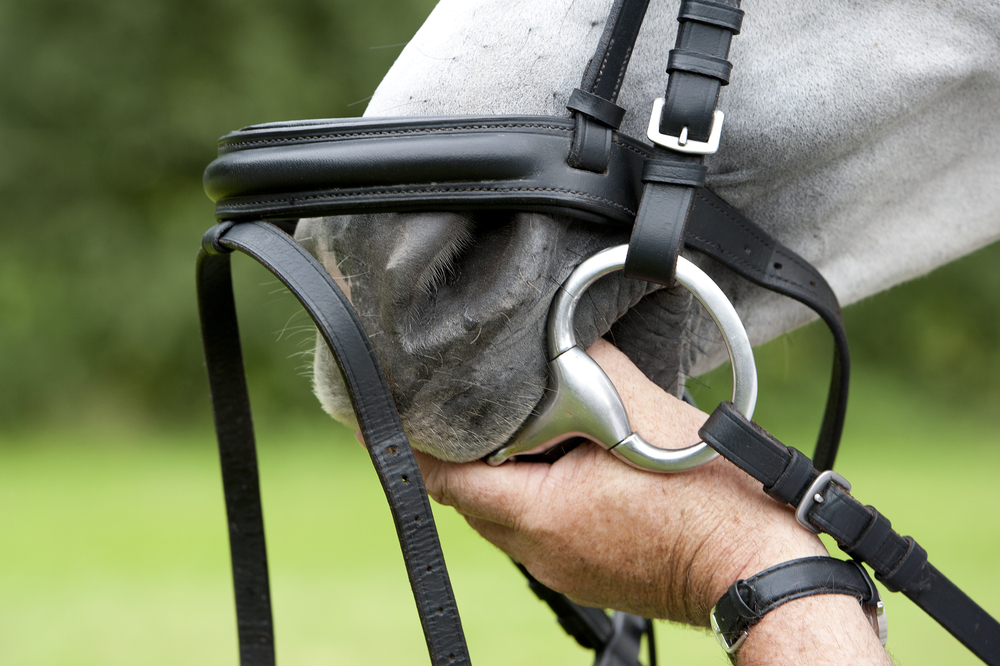
Proper incisor alignment ensures balanced pressure during chewing. Some dental exams may also include conservative bit seating, which smooths the front edges of certain cheek teeth to improve comfort when wearing a bit (when clinically appropriate).
Why Comprehensive Dental Care Matters
Dental problems don’t stay confined to the mouth. Poor oral health can lead to:
-
Weight loss and poor body condition
-
Colic due to inadequate feed breakdown
-
Resistance to the bit or head tossing
-
Behavioral changes and irritability
-
Reduced athletic performance
Addressing dental issues supports not only oral comfort but also digestive efficiency and overall well-being.
How Often Should a Horse Have a Dental Exam?
Dental care needs vary by age and workload:
-
Foals and young horses: every 6–12 months (teeth are changing rapidly)
-
Adult horses: at least once a year
-
Senior horses: every 6 months, as tooth loss and disease are more common
Performance horses may require more frequent evaluations.
Limitations and Considerations
-
Floating alone does not address all dental problems
-
Over-floating can cause sensitivity or damage if done improperly
-
Dental work should be performed by a qualified veterinarian or certified equine dental professional
-
Sedation is often necessary for a thorough and safe examination
Practical Tips for Horse Owners
-
Watch for signs such as dropping feed, foul breath, head tilting, or resistance under saddle
-
Schedule routine dental exams even if no obvious problems are present
-
Work with professionals who use modern tools and prioritize conservative, horse-centered care
-
Integrate dental care into your horse’s overall health and wellness program
Conclusion
Equine dentistry is far more than just floating teeth. It is a comprehensive, preventive healthcare practice that directly affects a horse’s comfort, nutrition, behavior, and performance. By looking beyond the float and committing to regular, thorough dental evaluations, owners can significantly enhance their horse’s quality of life and long-term health. Proper dental care isn’t optional—it’s essential.
Related Guides
If you found this helpful, these related articles cover more ground:
- Revolutionary Innovations in Equine Dentistry
- Liberty Training Beyond Tricks: Building True Partnership
- Are We Projecting? Human Emotion vs. Equine Reality
- The Role of Circadian Rhythms in Equine Health and Performance
- Playing God or Preserving Bloodlines? Ethical Questions in Equine Genetics

Written by
Phoebe writes about horse care, health, and behavior for Equestrian Space, blending hands-on stable experience with up-to-date veterinary guidance.