
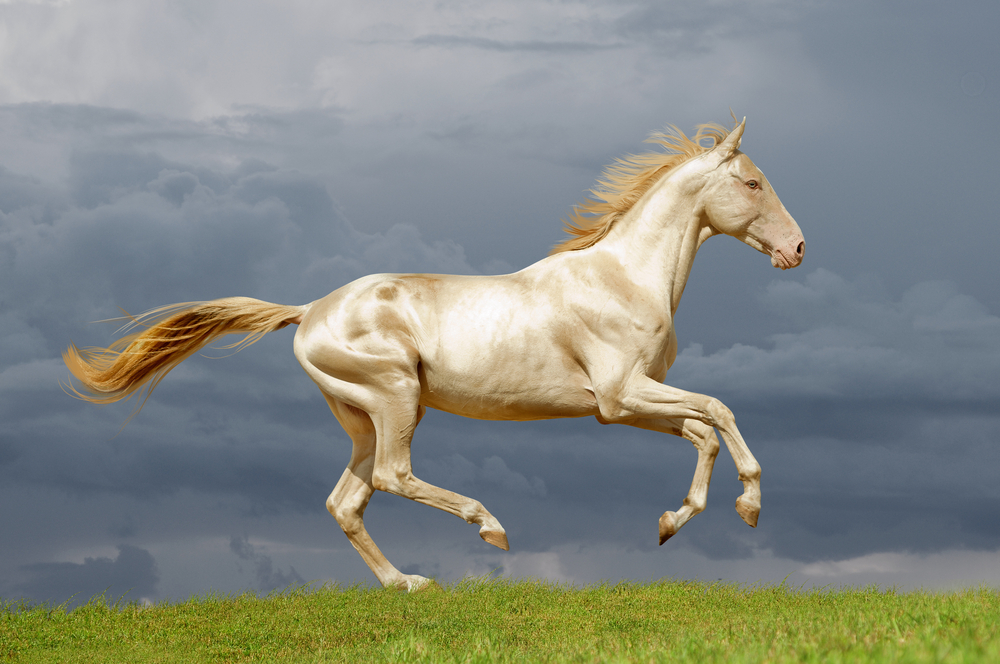
Beauty is subjective, but certain horses repeatedly stand out for their coat color, movement, silhouette, mane and tail, or unmistakable breed type. This updated 2026 guide treats “beautiful” as an appreciation of appearance—not a claim that one breed is objectively better than another. Soundness, temperament, welfare, and a good match for the rider matter more than a photogenic coat.
What makes a horse look beautiful?
People tend to notice balance, expressive eyes, a clean connection between neck and shoulder, athletic movement, and a healthy coat first. Breed standards also matter: the Arabian’s refined head and high tail carriage, the Appaloosa’s mottled skin and distinctive coat patterns, and the Friesian’s black coat, mane, feathering, and elevated movement are recognizable examples. Good grooming can enhance those traits, but it cannot replace correct care, nutrition, farrier work, or a suitable environment.
15 of the most beautiful horse breeds
1. Akhal-Teke
The Akhal-Teke is famous for a refined, athletic outline and a metallic-looking coat that can appear golden, buckskin, bay, chestnut, or black. Long lines, a narrow head, and a light, efficient build give the breed its distinctive “fashion-model” appearance. They are often sensitive and intelligent, so patient handling and consistent training are essential.
2. Knabstrupper
Knabstruppers are best known for leopard spotting, although solid-colored individuals also occur. Their expressive heads, strong bodies, and eye-catching patterns make them popular in dressage, jumping, and driving. A patterned coat is attractive, but buyers should still evaluate conformation, movement, soundness, and temperament individually.
3. Friesian
The Friesian’s black coat, abundant mane and tail, feathering, arched neck, and animated movement create one of the most recognizable silhouettes in the horse world. Friesians can be impressive riding and driving horses, but their feathering and long hair require regular grooming and careful skin management.
4. Arabian
Arabians combine a refined head, large expressive eyes, arched neck, compact balance, and naturally high tail carriage. The breed is also valued for stamina, intelligence, and versatility. The Arabian Horse Association describes the breed as capable across endurance, driving, western, and English disciplines—an important reminder that beauty and athletic usefulness can coexist.
5. Shire
The Shire is beautiful through scale and substance: a broad frame, powerful hindquarters, a noble head, and feathered lower legs. Black, bay, brown, and gray are common colors. These gentle giants need appropriate nutrition, sound footing, and facilities sized for a very large horse.
6. Paso Fino
The Paso Fino has a proud carriage, refined head, arched neck, and naturally smooth, evenly timed gait. Coat colors vary widely, including bay, chestnut, black, gray, and pinto patterns. For many riders, the breed’s elegance is most apparent in motion rather than standing still.
7. Andalusian
Often associated with Spanish classical riding, the Andalusian is known for a strong, rounded body, expressive eyes, arched neck, and abundant mane and tail. Gray is especially common, although other colors are recognized. Individual horses vary considerably, so a graceful appearance should be assessed alongside movement and training.
8. Pinto
Pinto is a color pattern rather than a single breed. Tobiano, overo, and other patterns can create dramatic blocks or splashes of white over a dark base coat. Because many breeds can be pinto, the horse’s conformation, athletic ability, and registry status depend on its underlying breed—not the pattern alone.
9. Percheron
Percherons are muscular draft horses with a clean, powerful outline and typically gray or black coats. Their intelligent heads, strong shoulders, and substantial hindquarters give them a balanced look despite their size. Their calm presence and versatility in driving and farm work add to their appeal.
10. Appaloosa
Appaloosas are recognized for patterned coats, mottled skin, striped hooves, and a visible white sclera. Patterns vary dramatically, from leopard spotting to blanket and snowflake markings. The Appaloosa Horse Club emphasizes versatility as well as color, so a good Appaloosa should be judged as a complete horse, not as a pattern on four legs.
11. Marwari
The Marwari is especially memorable for its inward-curving ear tips, refined head, arched neck, and proud carriage. The breed developed in India and is associated with endurance, agility, and a distinctive presence. Availability and documentation can be limited in some regions, making careful registry and health verification important.
12. Clydesdale
Clydesdales are instantly recognizable for their height, feathered legs, broad bodies, and bold white markings. Their movement can look exceptionally dramatic when they are well conditioned. Because heavy feathering can hide skin problems, regular inspection and drying are part of responsible management.
13. Haflinger
The Haflinger pairs a compact, sturdy body with a flaxen mane and tail and a rich chestnut or golden-chestnut coat. Their friendly expression and practical versatility make them attractive both in photographs and in everyday riding and driving homes. They still need an appropriate diet; small stature does not mean low maintenance.
14. Black Forest Horse
The Black Forest Horse is a rare German draft breed known for a chestnut or sorrel coat with a light flaxen mane and tail. Its compact draft build and quiet expression create a distinctive contrast between strength and softness. Prospective owners should investigate availability, breeding records, and adult size before planning facilities.
15. Mustang
Mustangs vary widely in size, type, and color because they descend from diverse horse populations. Their beauty often comes from individuality: dun striping, unusual markings, strong feet, and a hardy, athletic build. A mustang is not automatically a beginner horse; adoption requires preparation, experienced support, and a humane training plan.
How to choose a beautiful horse responsibly
Start with the job the horse needs to do. A quiet trail companion, an endurance prospect, a driving horse, and a competition partner may have very different ideal builds and temperaments. Arrange a pre-purchase examination with an independent veterinarian, review the horse’s history, watch it move on different surfaces, and ask how it behaves during routine handling.
Also inspect the practical fit: expected adult size, turnout, shelter, drainage, fencing, diet, farrier access, and the cost of grooming. A horse with heavy feathering may need more skin-care work; a very large draft may need larger doors and stronger flooring; a sensitive horse may need an experienced rider and low-stress routines. Choose the whole horse, not just the photograph.
Related horse-breed guides
- 15 Biggest Horse Breeds in the World
- 20 Most Popular Horse Breeds
- 15 Fastest Horse Breeds in the World
- 15 Smallest Horse Breeds in the World
Sources and further reading
- Akhal-Teke Association of America breed standard
- Arabian Horse Association breed information
- Appaloosa Horse Club registration quick facts
Frequently asked questions
What is the most beautiful horse breed?
There is no objective winner. Arabian, Friesian, Akhal-Teke, Andalusian, Appaloosa, draft, and many other breeds appeal to different tastes. The best choice depends on the horse’s health, temperament, training, and intended job.
Are beautiful horse breeds expensive?
Some may cost more because of rarity, pedigree, training, or demand, but purchase price is only one part of ownership. Feed, farrier care, veterinary care, boarding, insurance, and facility maintenance usually matter more over time.
Which beautiful horse breed is best for beginners?
No breed guarantees a beginner-safe horse. Look for an experienced, well-trained individual with a suitable temperament, then involve a qualified trainer and independent veterinarian before buying.
Does coat color affect a horse’s health?
Color itself is not a reliable measure of health. Some genetic color patterns can be associated with specific risks, so buyers should discuss the horse’s genetics and medical history with a veterinarian and breeder.

Written by
I've been around horses since I was 6 years old and started competing at the age of 9. Horses are my greatest passion and I am thrilled to be able to share my 23 (and counting) years of experience and knowledge with you.