Back to top

For the Love of Horses

Practical horse care, facility management, and riding knowledge — written for owners who want to do right by their horses.

Explore the BlogShop Horse Mats

Rethinking Bits and Bridles: Function, Fit, and Feel
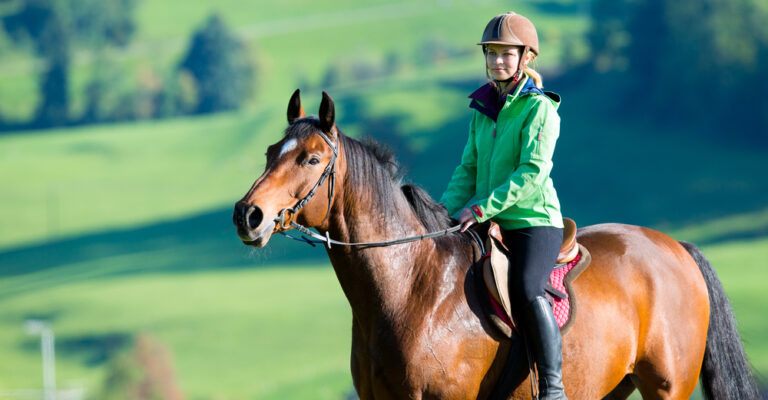
IntroductionBits and bridles have been central to horsemanship for centuries, guiding communication between horse and rider. However, modern equestrian practice increasingly emphasizes not just control, but comfort, clarity, and partnership. Understanding how bits and bridles function—and how their fit and feel affect the horse—can significantly improve performance, training, and welfare. By rethinking traditional equipment choices, … Read more
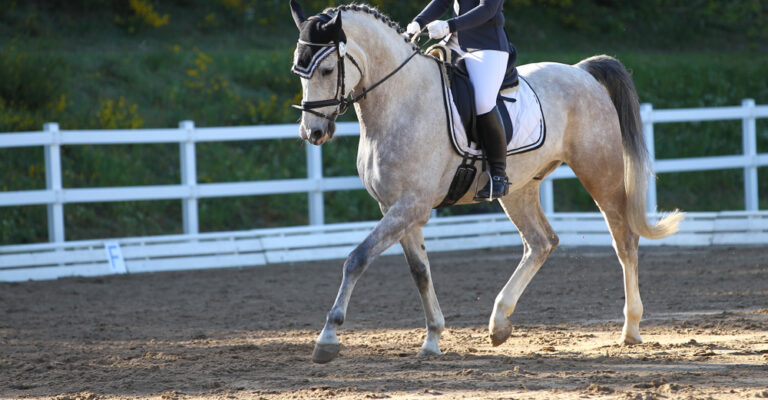
Aging Gracefully: Caring for Senior Horses in a Performance-Oriented World

IntroductionIn a world where equine performance, competition, and athletic success are often prioritized, senior horses sometimes face the challenge of keeping up with demanding expectations. Yet, these experienced companions carry years of knowledge, loyalty, and partnership with their riders. Aging gracefully means recognizing the changing needs of older horses and adjusting care practices to ensure … Read more

Ethical Competition: Where Welfare Meets Winning

IntroductionCompetition has always been a driving force in sports and animal performance industries. Whether in racing, show events, or other competitive arenas, the desire to win motivates owners, trainers, and athletes to push for excellence. However, true success should never come at the expense of welfare. Ethical competition promotes a balance where achievement and responsible … Read more

Stress Signals: How Horses Show Overwhelm Before Breakdown

IntroductionHorses are highly sensitive animals that rely on subtle body language to communicate their feelings. Long before a horse reaches a point of panic or breakdown, it often displays early stress signals that attentive handlers can notice. Recognizing these signs is essential for protecting a horse’s physical health, emotional well-being, and overall performance. By understanding … Read more

Barn Zen: Environmental Design for Horse and Human Mental Health

IntroductionA horse barn is more than a shelter—it is a shared living environment where both horses and humans spend many hours each day. The design of this space can significantly influence stress levels, mood, and overall well-being. Thoughtful environmental design, sometimes referred to as “Barn Zen,” focuses on creating calm, safe, and harmonious spaces that … Read more

Riding Through a Screen: Can Digital Coaching Replace the Eye on the Ground?

Introduction The rise of digital technology has transformed many aspects of modern sports, and equestrian training is no exception. With virtual coaching platforms, video analysis tools, and AI-driven performance feedback, riders can now receive expert guidance without a coach physically present. But can a screen truly replace the nuanced observation of an experienced trainer on … Read more

Beyond the Barn Aisle: Diverse Career Paths in the Equine Industry

IntroductionWhen most people think of working with horses, riding instructors or barn managers usually come to mind. But the equine industry offers a far wider range of career opportunities than just daily barn work. From healthcare and sports to technology and business, the industry encompasses diverse roles that combine passion for horses with specialized skills. … Read more

From Leather to Lab-Grown: The Evolution of Equestrian Gear

Introduction Equestrian gear has long been synonymous with craftsmanship, tradition, and the iconic smell of tanned leather. From saddles to bridles, boots, and riding apparel, leather has dominated the equestrian world for centuries. However, advances in material science, sustainability, and animal welfare have sparked a revolution in the industry. Today, lab-grown and synthetic alternatives are … Read more

Collection Reimagined: Balance, Energy, and Self-Carriage

Introduction In the world of equestrian training, “collection” is a term that is often used but not always fully understood. Collection is more than a posture or a gait; it represents a harmonious balance between strength, energy, and self-carriage. When a horse is properly collected, its movement is elevated, controlled, and expressive, allowing for improved … Read more

The Power of the Pause: Recovery as a Training Tool

Introduction In the world of fitness and athletic performance, pushing harder and training longer often takes the spotlight. Yet, an equally powerful component of improvement is often overlooked: recovery. Strategic rest and recovery are not just breaks—they are essential training tools that enhance performance, prevent injury, and support long-term progress. Embracing the power of the … Read more

Footing Matters: Arena Design for Soundness and Safety

Crumb rubber horse arena footing installed

Introduction Arena footing is one of the most critical yet often overlooked factors in equine health, performance, and rider safety. Whether used for training, competition, or rehabilitation, the arena surface directly affects a horse’s movement, balance, and joint stress. Proper footing design reduces the risk of injury, supports optimal performance, and promotes long-term soundness. Poor … Read more

Data in the Saddle: How AI and Sensors Are Changing Training Decisions

Introduction Horse training has always relied on the experienced eye of trainers, riders, and veterinarians. Subtle signs—such as changes in gait, breathing, or behavior—often guide decisions about conditioning, rest, and competition readiness. Today, artificial intelligence (AI) and advanced sensor technologies are transforming this process. By collecting and analyzing real-time data from horses during training and … Read more