Back to top

For the Love of Horses

Practical horse care, facility management, and riding knowledge — written for owners who want to do right by their horses.

Explore the BlogShop Horse Mats

Playing God or Preserving Bloodlines? Ethical Questions in Equine Genetics
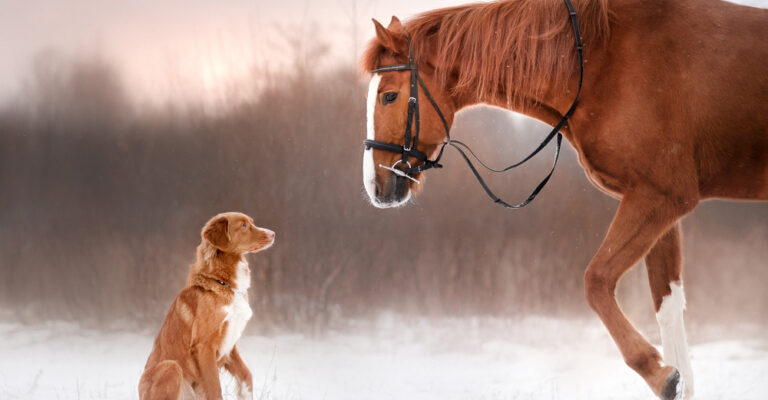
Introduction Advances in equine genetics have transformed horse breeding from an art guided by observation into a science driven by DNA. Modern genetic tools allow breeders to identify disease risks, predict performance traits, and selectively breed horses with desired characteristics. While these innovations promise healthier horses and stronger bloodlines, they also raise profound ethical questions. … Read more
Conditioning the Whole Athlete: Strength, Mobility, and Longevity

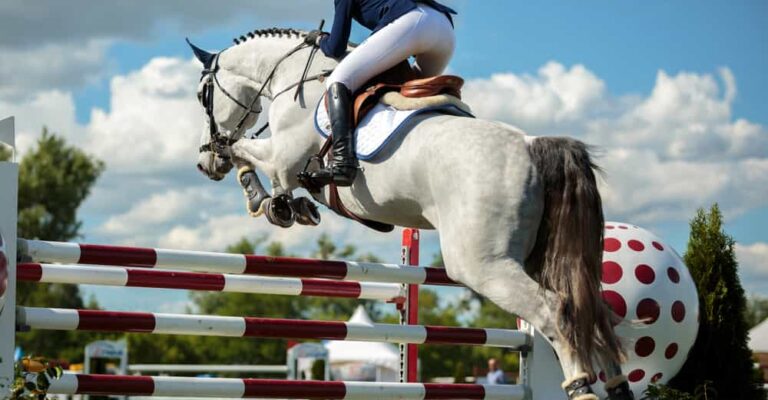
Introduction Modern equine performance goes far beyond speed or power alone. Today’s competitive and recreational horses are recognized as complete athletes whose strength, mobility, cardiovascular fitness, and recovery all play essential roles in their success and well-being. Whether competing under the standards of organizations like the Fédération Équestre Internationale or participating in everyday riding, conditioning … Read more

Teeth, Jaw, Balance: How Oral Health Shapes the Whole Horse

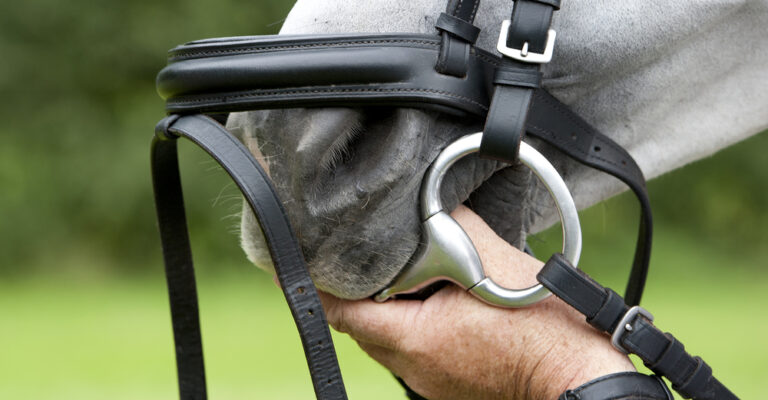
Introduction A horse’s mouth is more than just the starting point of digestion—it plays a crucial role in comfort, posture, movement, and overall health. Proper alignment of the teeth and jaw directly influences how a horse chews, carries its head, balances its body, and responds to the rider. When oral health problems develop, they can … Read more

Herd Dynamics 101: Social Stress, Stability, and Wellbeing

IntroductionHorses are naturally social animals that thrive in group environments. Whether in wild herds or domestic pasture groups, their behavior is shaped by complex social structures known as herd dynamics. Understanding how social stress, stability, and wellbeing interact within a herd is essential for responsible horse management. When herd dynamics are balanced, horses feel secure, … Read more

Tradition Under the Microscope: Which Horse Practices Still Hold Up?

IntroductionHorse care is deeply rooted in tradition. Many long-standing practices have been passed down through generations of riders, trainers, and breeders—often accepted as truth without question. But as veterinary science and equine research evolve, some of these customs are being re-examined. While certain traditions still prove beneficial, others no longer align with modern understanding of … Read more

Pain You Can’t See: Subclinical Lameness and Performance Decline

IntroductionNot all pain in horses is obvious. Some of the most damaging physical issues develop quietly, without dramatic limping or visible injury. Subclinical lameness—pain or dysfunction that exists below the threshold of obvious clinical signs—can gradually erode a horse’s performance, comfort, and long-term soundness. Often overlooked, this “invisible pain” is one of the leading hidden … Read more

Soft Hands, Sharp Timing: The Neuroscience of Effective Riding Aids

IntroductionGreat riding is not just about strength, technique, or tradition—it’s about communication. Effective riding aids depend on how a horse’s brain processes information, responds to sensory input, and forms learning patterns. Modern neuroscience shows that horses learn best through clear signals, precise timing, and calm, consistent cues. “Soft hands” and “sharp timing” are not just … Read more

Trust Over Technique: Rebuilding Confidence After Trauma

IntroductionTrauma changes the way people see the world, themselves, and others. It disrupts a person’s sense of safety, stability, and trust, often leaving deep emotional and psychological scars. While therapy techniques, coping strategies, and self-help tools are valuable, true healing often begins not with methods—but with trust. Trust in oneself, trust in others, and trust … Read more

The Language Without Words: Reading Subtle Signals in Horse Communication

IntroductionHorses communicate constantly, yet rarely through sound. Long before they learned to interact with humans, horses evolved a rich system of nonverbal communication based on body language, movement, posture, and subtle behavioral cues. Understanding this silent language allows owners, riders, and caretakers to build deeper trust, improve training outcomes, enhance safety, and strengthen the human–horse … Read more

Thinking Beyond Instinct: How Horses Learn, Remember, and Adapt

IntroductionFor centuries, horses were viewed primarily as instinct-driven animals—reacting to stimuli through reflex rather than thought. Modern research in equine cognition, however, reveals a far more complex picture. Horses are capable of learning, memory retention, emotional processing, and adaptive problem-solving. Understanding how horses think, remember, and adapt not only deepens our appreciation of them as … Read more

Gut Feelings: The Microbiome’s Role in Equine Health and Behavior

IntroductionIn recent years, research has revealed that a horse’s health is shaped not only by genetics, training, and environment, but also by the trillions of microorganisms living inside its digestive system. This complex community, known as the gut microbiome, plays a crucial role in digestion, immunity, and even behavior. Understanding the equine microbiome offers valuable … Read more

From Pasture to Planet: The Carbon Hoofprint of Modern Horsekeeping

Crumb rubber horse arena footing installed

IntroductionAs conversations around climate change grow louder, attention is increasingly turning toward agriculture and animal management. While horses are often associated with tradition, sport, and companionship rather than industrial farming, modern horsekeeping still leaves an environmental footprint. From feed production to manure management, the daily care of horses contributes to greenhouse gas emissions and resource … Read more