
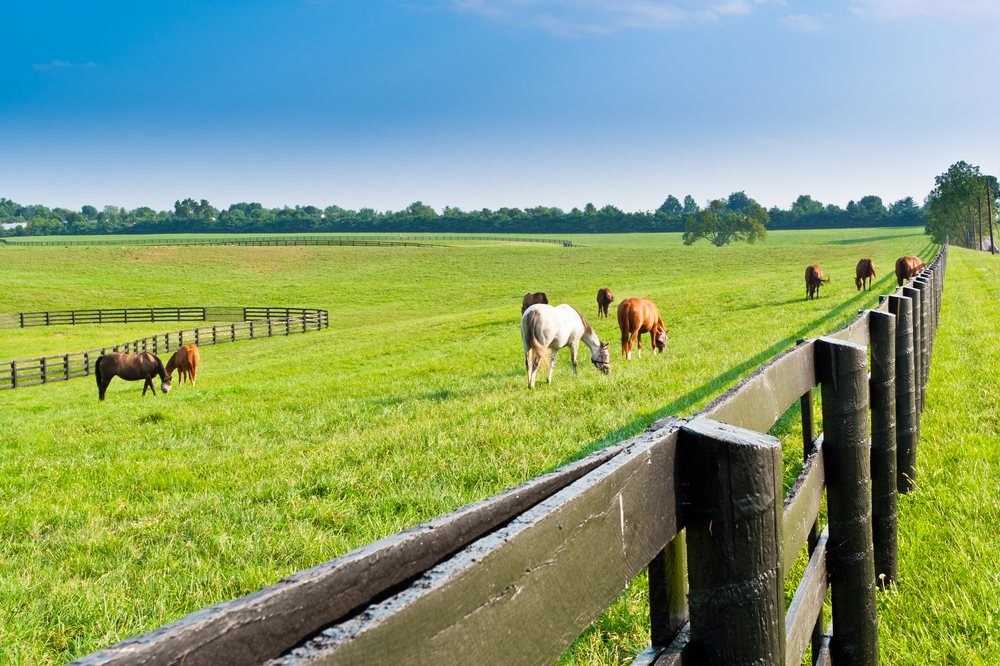
A calm barn is not just pleasant—it is easier to keep clean, safer to work in, and more predictable for horses. “Barn Zen” is a practical design approach: reduce unnecessary sensory stress while improving airflow, light, footing, drainage, and daily workflow. The goal is not a decorative spa. It is a stable environment that supports equine welfare and the people responsible for it.
What Barn Zen Means in Practice
Horses notice changes in noise, movement, footing, temperature, airflow, and social access. People also work better when aisles are uncluttered and routines are easy to follow. A useful design begins with welfare and safety rather than aesthetics:
- Provide fresh air without creating drafts directly at the horse’s resting level.
- Use daylight where possible, with shaded or adjustable lighting to limit glare and abrupt transitions.
- Keep pathways wide, dry, and free of hoses, cords, tools, and loose feed.
- Use materials that can be cleaned, inspected, and repaired without hidden moisture traps.
- Arrange stalls, turnout, feed, and tack areas to reduce unnecessary cross-traffic.
Air Quality, Light, and Temperature
Ventilation is one of the highest-value improvements in any barn. Open ridge vents, correctly placed windows, and clean air inlets can help remove dust, humidity, and ammonia. Airflow should be evaluated at the horse’s breathing zone, not just near the roof. Avoid relying on fragrance products to mask odors; a persistent ammonia smell is a management warning.
Use low-glare, well-protected fixtures and keep lighting consistent when horses move between spaces. Natural light is valuable, but windows should be secure and designed to prevent broken glass or dangerous openings. In hot weather, shade, water access, and air movement matter more than visual styling. In cold weather, do not close the barn so tightly that moisture and respiratory irritants accumulate.
Quiet Zones and Predictable Movement
Not every barn can be silent, and normal sounds are not automatically harmful. The practical target is fewer sudden, unavoidable surprises. Put loud equipment, compressors, and workshops away from resting stalls when possible. Schedule sweeping, deliveries, and machinery work so horses are not repeatedly startled during feeding or turnout transitions.
Create a clear separation between horse routes and human work zones. A designated grooming or preparation area helps prevent grooming tools, wheelbarrows, and feed carts from blocking the main aisle. Store equipment at shoulder height or below, anchor shelving, and keep fire exits visible.
Flooring, Stall Mats, and Moisture Control
Flooring affects traction, cleaning time, noise, and fatigue. Any surface should be level, stable, and appropriate for the task. In stalls, a properly fitted rubber mat system can provide a more resilient, washable surface over a sound subfloor, but mats do not replace drainage or adequate bedding. The foundation should be graded and repaired before installation; trapped moisture beneath mats can create odor, deterioration, and hygiene problems.
For a stall-mat comparison, see one-piece versus individual 4×6 mats and how to choose stall-mat thickness. Owners evaluating commercial options can also review Treadall horse stall mats; select products based on fit, traction, durability, and the actual subfloor—not branding alone.
For another practical facility-safety decision, see whether horse stall doors should open in or out.
Design for the Horse’s Choice and Comfort
Where safe, allow horses regular access to turnout, forage, water, and social contact appropriate to their management plan. A calm-looking stall cannot compensate for poor ventilation, prolonged isolation, inadequate movement, or inconsistent feeding. Observe each horse: pawing, weaving, repeated startle responses, reluctance to enter, coughing, or changes in appetite deserve investigation rather than a cosmetic design fix.
A Weekly Barn-Zen Audit
- Walk the barn at horse eye level and note glare, drafts, sharp edges, and slippery areas.
- Check for ammonia, damp bedding, standing water, and dust on ledges or vents.
- Time the busiest route from stall to turnout and remove avoidable bottlenecks.
- Inspect mats, seams, edges, fasteners, drains, and the subfloor for movement or moisture.
- Ask whether a new or anxious horse has a quieter, predictable place to settle.
Sources and Further Reading
- University of Minnesota Extension: ventilation systems for horse barns (air exchange, moisture, dust, ammonia, and heat).
- Penn State Extension: horse stables, facilities, and technology (ventilation, flooring, drainage, fire safety, and manure management).
- AAEP: stall confinement and horse-health resources (management considerations when horses spend time in stalls).
Small, repeatable improvements usually outperform a dramatic renovation. A clean aisle, reliable ventilation, dry footing, sensible storage, and consistent routines make the barn calmer for everyone—and provide a better foundation for equine health and safe handling. For a practical ventilation and ammonia checklist, see our guide to improving horse barn air quality.
Frequently Asked Questions
Does a calm barn need to be completely quiet?
No. The goal is to reduce sudden, unavoidable noise and provide predictable routines. Normal barn sounds are compatible with good welfare when horses have appropriate care and escape from constant disturbance.
Are stall mats enough to solve a wet stall?
No. Mats need a stable, properly prepared subfloor and effective drainage. Correct the moisture source, use suitable bedding, and inspect beneath mats during maintenance.
What is the first Barn Zen improvement to make?
Start with a safety and air-quality walk-through: remove aisle hazards, check ventilation and ammonia, and identify slippery or poorly drained surfaces. These changes usually have more welfare value than decorative upgrades.
Can barn design replace veterinary advice?
No. Environmental improvements support management but do not diagnose respiratory, pain, or behavior problems. Consult a veterinarian when signs persist or change suddenly.

Written by
Phoebe writes about horse care, health, and behavior for Equestrian Space, blending hands-on stable experience with up-to-date veterinary guidance.