
Short answer: The most useful advances in equine dentistry are better oral examinations, improved lighting and imaging, safer sedation and restraint, and more precise treatment by a qualified veterinarian or veterinary dental professional. New technology can help diagnose and treat a problem, but it does not replace a hands-on oral exam or make routine dental work optional.
Equine dentistry has seen a remarkable transformation over the past few decades, evolving from a simple, utilitarian practice into a highly specialised field. As we deepen our understanding of the integral role oral health plays in a horse’s overall well-being, revolutionary innovations in equine dentistry are redefining how we care for our beloved equines. From cutting-edge diagnostic tools to minimally invasive treatments, these advancements are not only improving the lives of horses but also revolutionising the equestrian world.
This comprehensive guide delves into the latest breakthroughs in equine dentistry, their profound benefits, and why staying updated on these innovations is crucial for every horse owner.
Why Is Equine Dentistry So Important?
A horse’s teeth are vital for their health, performance, and comfort. Horses are herbivores with continuously growing teeth designed to grind down tough, fibrous plants. However, domestication and modern feeding practices have altered the natural wear of equine teeth, leading to dental problems that can affect their ability to chew, digest, and perform effectively.
Common Dental Issues in Horses Include:
- Sharp Enamel Points: Uneven wear creates sharp edges that can cut the inside of the mouth, causing pain and ulcers.
- Hooks and Ramps: Abnormal tooth growth that hinders proper jaw movement and bit comfort.
- Diastase: Gaps between teeth that trap food, leading to gum infections and discomfort.
- Tooth Fractures and Decay: Resulting from trauma or dietary deficiencies.
- Malocclusion: Misalignment of teeth that affects chewing efficiency and can lead to jaw pain.
Left untreated, these issues can result in weight loss, behavioural problems, reduced performance, and even systemic infections. Regular dental care, enhanced by modern innovations, is essential to maintain a horse’s overall health and well-being.
Groundbreaking Innovations in Equine Dentistry
The field of equine dentistry has embraced technology and innovation to deliver more effective, precise, and less invasive care. Here are some of the revolutionary advancements shaping the future of equine dental health:
1. Advanced Imaging Techniques
Modern diagnostic imaging has revolutionised how dental problems in horses are detected and treated. Traditional manual inspections are now supplemented with high-tech tools that provide detailed insights into oral health.
- Digital Radiography: High-resolution X-rays reveal hidden issues such as root infections, fractures, and impacted teeth with unmatched clarity. Veterinarians can pinpoint problems that might go unnoticed during a manual exam.
- 3D Cone Beam CT Scans: This advanced imaging technology creates a 3D map of a horse’s skull and dental structures, offering a complete view of the teeth, jaw, and sinuses. It’s invaluable for planning complex dental surgeries.
- Thermal Imaging: Infrared cameras detect inflammation or infection in the jaw, providing early warnings of potential problems.
Why It Matters: Early detection through imaging allows for targeted treatment, reducing complications and improving outcomes.
2. Power Tools for Precision Dentistry
Traditional hand tools, while effective, often lack the precision needed for intricate dental procedures. Power dentistry tools, including motorised floats, have changed the game.
- Power Floats: These motorised devices allow veterinarians to smooth and shape teeth with precision, reducing the time required for procedures and minimising stress for the horse.
- Rotary Tools and Lasers: Lasers are emerging as a tool for precise removal of diseased tissue, reducing bleeding and recovery time.

Benefits:
- Faster and more accurate procedures.
- Reduced discomfort for the horse.
- Better outcomes in managing complex dental issues.
3. Minimally Invasive Oral Surgery
Advances in surgical techniques have made oral surgery less invasive, more effective, and quicker to recover from.
- Endodontics for Horses: Similar to human root canals, these procedures treat infected tooth pulp without removing the tooth, preserving the horse’s natural dental structure.
- Keyhole Extractions: Using small incisions and specialised tools, problematic teeth can be removed with minimal trauma to the surrounding tissue.
- Advanced Suturing Materials: Modern sutures promote faster healing and reduce the risk of infection.
Impact: Horses experience less pain, quicker recovery times, and fewer post-surgical complications.
4. Equine Orthodontics: Beyond Cosmetic Dentistry
Orthodontics in horses focuses on correcting jaw alignment and improving bite functionality. Devices such as equine braces and customised mouthpieces address misalignment and developmental issues that can hinder chewing and cause chronic discomfort.
Why It’s Revolutionary: By addressing dental alignment early, these treatments prevent long-term problems and improve a horse’s quality of life.
5. Artificial Intelligence and Digital Tracking
The integration of AI and digital tools is enhancing how horse owners and veterinarians manage dental care.
- Emerging digital decision support: Software may assist image review in specialist settings, but diagnosis and treatment decisions still require a qualified veterinary professional.
- Equine Dental Apps: Apps designed for horse owners allow them to track dental care schedules, monitor symptoms, and share information with veterinarians.
Benefits: Improved preventative care and more consistent dental management.
Benefits of These Innovations
These advancements in equine dentistry are transforming horse care, offering several key benefits:
- Accurate Diagnosis: Advanced imaging and AI reduce guesswork, ensuring more precise identification of dental issues.
- Reduced Stress and Discomfort: Faster procedures and minimally invasive techniques make the experience less stressful for horses.
- Improved Health and Performance: A healthy mouth improves digestion, weight maintenance, and overall performance.
- Longer Lifespans: Early detection and effective treatment prevent complications, extending a horse’s active years.
Challenges in Equine Dentistry
Despite these advancements, challenges remain in implementing modern equine dentistry universally:
- High Costs: Cutting-edge tools and techniques come with higher initial costs, though they often save money in the long term by reducing complications.
- Specialised Training: Veterinarians need advanced training to use new tools and techniques effectively.
- Access: Remote areas may lack access to these technologies, limiting their availability to all horse owners.
Future Trends in Equine Dentistry
Research and specialist practice continue to explore new tools, but availability and evidence vary. These developments should be treated as emerging rather than routine owner options:
- Regenerative and implant research: Specialist procedures may be considered for selected cases, but treatment decisions belong with the attending veterinarian.
- Portable imaging: Mobile equipment may improve access in some practices, but it is not a substitute for professional interpretation.
How Horse Owners Can Stay Ahead
As a horse owner, staying informed about dental care innovations is essential. Here’s what you can do:
- Schedule Regular Dental Exams: Routine checkups help detect issues before they escalate.
- Work with Specialised Veterinarians: Seek out professionals trained in modern equine dentistry.
- Invest in Preventative Care: Incorporate appropriate nutrition, supplements, and dental hygiene into your horse’s routine.
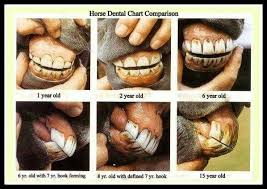
Horse Teeth Timeline: Simplified

1 Year Old: 24 baby teeth (12 incisors, 12 premolars) present.
2-2½ Years Old: Second set of permanent molars erupt.
3 Years Old: Two permanent central incisors replace baby teeth.
4 Years Old: Canine teeth emerge, mainly in males.
5 Years Old: All permanent teeth are in; grinding surfaces are oval-shaped.
6 Years Old: Permanent incisors show wear.
7-9 Years Old: Cups on lower middle and corner incisors disappear.
10 Years Old: Galvayne’s groove appears at gum line of upper corner incisors.
11-12 Years Old: Cups on upper corner incisors disappear; central incisors’ surfaces become round.
14-16 Years Old: Corner incisors develop ridges.
17-18 Years Old: All incisors have round surfaces; central incisors become triangular.
20 Years Old: Galvayne’s groove runs full length of upper corner incisors.
23-29 Years Old: All incisors take on triangular surfaces; grinding surfaces become oval (front-to-back).
30+ Years Old: Teeth shorten, Galvayne’s groove fades, tooth loss may occur.
Conclusion
The field of equine dentistry is undergoing a revolutionary transformation, bringing advanced tools and techniques to ensure the best possible care for horses. From 3D imaging and power tools to minimally invasive surgeries and AI-assisted diagnostics, these innovations are setting new standards for oral health in equines.
As these technologies continue to evolve, horse owners, veterinarians, and the equestrian community must embrace these changes to promote longer, healthier, and more comfortable lives for our equine companions. Remember, a healthy mouth is the foundation for a thriving horse—don’t overlook the importance of cutting-edge dental care in your horse management practices.
When to call the veterinarian
Arrange an examination promptly for quidding (dropping partially chewed feed), slow or difficult eating, weight loss, foul breath, facial swelling, nasal discharge, excessive salivation, blood in the mouth, resistance to the bit, or a sudden change in behavior. These signs are not a diagnosis, and some dental problems are painful before a horse shows obvious trouble.
AAEP guidance recommends at least annual dental examinations for mature horses, with more frequent examinations for young horses and horses with known problems. Your veterinarian should set the interval for the individual horse.
Your horse’s health starts with a comfortable mouth—make dental care a veterinary care decision, not a technology shopping list.
Related Guides
Continue with these practical EquestrianSpace guides:
- Equine Dentistry Demystified: What Floating Does and Does Not Do
- How to Tell a Horse’s Age: Teeth, Limits, and Better Estimates
- What Is the Average Lifespan of a Horse?
- Equine Nutrition Basics: What Should Horses Eat?
Frequently asked questions
How often should a horse have a dental examination?
Many mature horses need at least an annual examination, while young horses and horses with dental disease may need more frequent checks. The veterinarian should set the interval.
Does every horse need its teeth floated?
No. Floating is a treatment, not an automatic annual ritual. A veterinarian should examine the mouth and recommend only the work the horse needs.
What are early signs of dental problems in horses?
Quidding, slow eating, weight loss, foul breath, excess salivation, facial swelling, bit resistance, and changes in behavior can all justify a veterinary examination.
Can new imaging replace a normal dental exam?
No. Imaging can answer specific diagnostic questions, but it complements—not replaces—a complete oral examination and professional interpretation.
Sources
- American Association of Equine Practitioners: Introduction to Equine Dentistry
- MSD Veterinary Manual: Dental Disorders of Horses

Written by
Apoorva covers equestrian sport and rider development for Equestrian Space, with a focus on dressage, stable management, and practical training guidance for riders at every level.