Back to top

Caring for Your Horse

Daily care, health, feeding, and welfare guidance for horse owners.

Teaching Kids Horse Safety Without Fear
Child riding a sturdy pony in an outdoor arena

IntroductionHorses are incredible partners for children—offering confidence-building experiences, emotional connection, and fun memories that can last a lifetime. However, teaching children how to safely interact with horses is essential. The goal is not to create fear, but to build understanding and respect. When children learn how horses think and communicate, they become safer, more confident, … Read more
Cognitive Enrichment for Horses: Stimulating the Equine Mind

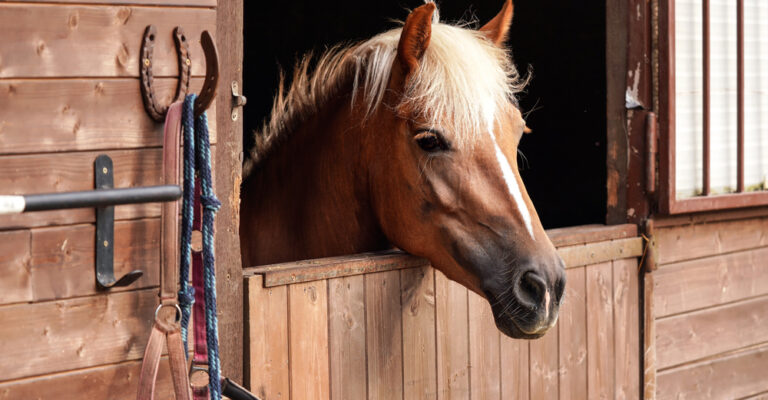
Chestnut horse looking out from a wooden stall door

🧠 Cognitive Enrichment for Horses: Stimulating the Equine Mind When we think of keeping horses healthy, we often focus on their physical needs—nutrition, exercise, veterinary care. But what about their minds? Horses are intelligent, social creatures with complex emotional lives. Like humans, they can become bored, anxious, or frustrated in environments that lack variety or … Read more

Horses and the Law: Understanding Equine Liability and Insurance

Horse-safe stable setup with doors and fencing checked before fireworks

Introduction Owning, riding, or working with horses brings joy and fulfillment, but it also comes with legal and financial responsibilities. Horses are large, unpredictable animals, and accidents involving them can result in significant injuries or property damage. Because of this, equine owners and professionals must understand liability issues and the role of insurance in protecting … Read more

How to Host a Zero-Waste Horse Event

Black dressage horse and rider performing in a competition arena

Introduction Horse shows, clinics, and competitions bring together riders, owners, and equestrian enthusiasts to celebrate the sport and the animals we love. However, large gatherings often generate significant waste—from food packaging and water bottles to disposable stall bedding and promotional materials. Hosting a zero-waste horse event means planning with sustainability in mind, aiming to reduce … Read more

Equine-Assisted Therapy: Healing Through Horse Connection

IntroductionEquine-assisted therapy (EAT) is an innovative therapeutic approach that uses interactions with horses to promote emotional growth, physical rehabilitation, and mental well-being. Rooted in the unique bond between humans and horses, this therapy is increasingly recognized as a valuable complement to traditional treatment methods. From helping children with developmental challenges to supporting veterans with post-traumatic … Read more

Hydration and Electrolytes: Keeping Horses Cool in Hot Weather

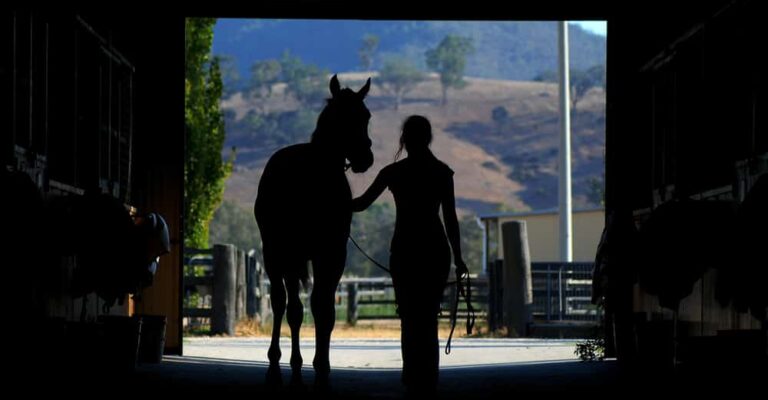
Horse and rider silhouetted against the evening sunset during a calm ride

Introduction Hot weather poses unique challenges for horse owners. Just like people, horses lose fluids and essential electrolytes through sweat, especially during intense exercise, long rides, or humid summer days. Dehydration and electrolyte imbalance can lead to fatigue, poor performance, heat stress, and even life-threatening conditions like colic. Proper hydration strategies, combined with balanced electrolyte … Read more

Injury Prevention for Young Performance Horses

Introduction Young performance horses represent the future of equestrian sports, from racing and show jumping to dressage and eventing. Their training years are critical in shaping both their athletic ability and long-term soundness. However, these horses are also at increased risk of injury due to developing bones, joints, and muscles that are still adapting to … Read more

When to Retire Your Horse: Knowing the Right Time

Brown and white horses standing together on a ranch

IntroductionDeciding when to retire a horse is one of the most emotional and difficult responsibilities an owner faces. Horses are companions, athletes, and partners, and knowing when they can no longer safely or comfortably perform their usual roles requires careful consideration. Retirement does not mean the end of their usefulness or joy—it simply means adjusting … Read more

Recognizing Pain in Stoic Horses: Subtle Signs You Might Miss

Introduction Horses are naturally stoic animals, often masking discomfort as a survival instinct. While this resilience can be admirable, it also means that pain in horses frequently goes unnoticed until it becomes severe. Recognizing the subtle signs of pain is critical for horse owners, trainers, and veterinarians to provide timely care, prevent worsening conditions, and … Read more

The Hidden Costs of Horse Rescue and Rehabilitation

The Hidden Costs of Horse Rescue and Rehabilitation IntroductionRescuing and rehabilitating horses is often seen as an act of compassion and commitment to animal welfare. While it brings hope and second chances to neglected or abused animals, the reality is that horse rescue involves far more than providing food and shelter. From medical expenses to … Read more

The Rise of Urban Equestrianism: Horses in City Spaces

Rider in a black equestrian helmet handling a dark bay horse in an arena

IntroductionUrban equestrianism is emerging as a unique and fascinating intersection between traditional horsemanship and modern city life. Once thought of as a rural or countryside activity, horse riding, training, and ownership are now finding a place in bustling urban centers worldwide. From mounted police units to community riding schools, therapeutic programs, and recreational clubs, horses … Read more

What Horses Teach Us About Leadership and Trust

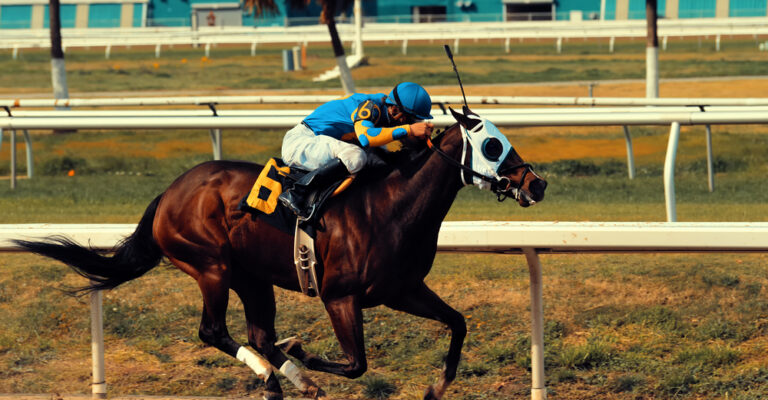
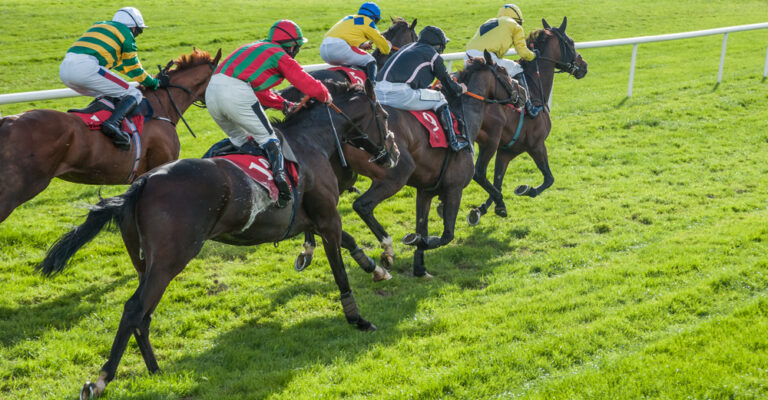
Racehorses sprinting toward the finish line

IntroductionHorses are more than magnificent animals—they are keen observers, master communicators, and honest mirrors of human behavior. Working with horses provides unique lessons in leadership and trust that go beyond traditional training methods. Because they are prey animals, horses are acutely sensitive to body language, energy, and intention. They respond not to titles or commands, … Read more