
Introduction
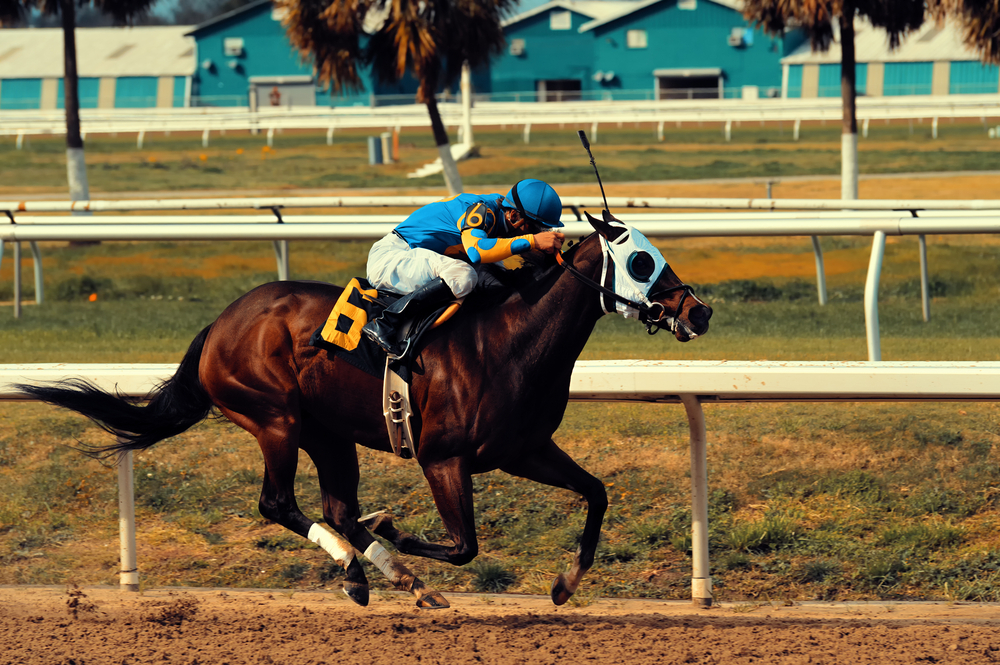
Young performance horses represent the future of equestrian sports, from racing and show jumping to dressage and eventing. Their training years are critical in shaping both their athletic ability and long-term soundness. However, these horses are also at increased risk of injury due to developing bones, joints, and muscles that are still adapting to the physical demands of training. Implementing proper injury prevention strategies not only safeguards the horse’s immediate health but also ensures a sustainable and successful athletic career.
What Is Injury Prevention in Young Horses?
Injury prevention involves proactive management practices that minimize stress, reduce strain, and support healthy musculoskeletal development. This includes:
-
Careful conditioning and gradual training progression
-
Balanced nutrition tailored to growth and performance needs
-
Proper hoof care and regular veterinary check-ups
-
Safe exercise environments and thoughtful workload management
The goal is to build resilience in young horses while avoiding overuse injuries or developmental disorders.
Common Injuries in Young Performance Horses
-
Tendon and Ligament Strain
-
Caused by repetitive stress or early overtraining
-
Signs: swelling, heat, and lameness
-
-
Joint Injuries (Osteochondritis Dissecans – OCD, Synovitis, Arthritis)
-
Linked to rapid growth, poor conformation, or excessive workload
-
Signs: joint swelling, stiffness, or uneven gait
-
-
Stress Fractures
-
Result of high-impact activities before full skeletal maturity
-
Signs: subtle lameness, reluctance to work, or acute pain
-
-
Back and Muscle Strain
-
Can occur from improper saddle fit, rider imbalance, or premature collection work
-
Signs: soreness, resistance under saddle, behavioral changes
-
Key Strategies for Injury Prevention
-
Progressive Training
-
Introduce conditioning gradually, allowing bones, tendons, and ligaments time to strengthen
-
Alternate between high- and low-intensity work to prevent overloading
-
-
Balanced Nutrition
-
Provide diets rich in protein, vitamins, and minerals to support healthy growth
-
Avoid excessive calories that can lead to rapid growth and skeletal strain
-
-
Hoof and Limb Care
-
Regular farrier visits to maintain correct hoof balance
-
Use appropriate footing to reduce concussion and uneven stress
-
-
Rest and Recovery
-
Schedule rest days to allow tissues to repair
-
Incorporate turnout to encourage natural movement and reduce stiffness
-
-
Veterinary Oversight
-
Routine check-ups and lameness evaluations help catch early warning signs
-
Use diagnostic imaging (ultrasound, X-rays) when needed for subtle concerns
-
Benefits of Injury Prevention
-
Longevity: Increases the horse’s chances of a longer, healthier performance career
-
Reduced Veterinary Costs: Prevents costly treatments for avoidable injuries
-
Improved Performance: Keeps horses in peak condition with fewer interruptions in training
-
Welfare First: Promotes overall comfort and well-being for the horse
Limitations of Injury Prevention
-
Some injuries may still occur despite best practices due to accidents or genetic predispositions
-
Performance goals may tempt overtraining, requiring discipline from owners and trainers
-
Individual horses vary in physical resilience, so prevention strategies must be customized
Practical Considerations
When to Start Preventive Measures
-
From weanling to early training stages, with management adapted as the horse matures
-
Before increasing workload intensity or entering competitions
Choosing the Right Support Team
-
Collaborate with veterinarians, farriers, nutritionists, and experienced trainers
-
Seek professionals who understand the unique demands of young performance horses
Monitoring Progress
-
Keep detailed records of training schedules, nutrition, and veterinary visits
-
Watch closely for subtle signs of discomfort or uneven movement
Conclusion
Preventing injuries in young performance horses requires a thoughtful balance of training, nutrition, veterinary care, and management. By prioritizing gradual development and proactive health measures, owners and trainers can build strong, resilient equine athletes who thrive in their chosen disciplines. While not every injury can be avoided, a commitment to prevention significantly improves a horse’s long-term soundness, career success, and overall welfare.
Related Guides
If you found this helpful, these related articles cover more ground:
- Aging Gracefully: Caring for Senior Horses in a Performance-Oriented World
- The Silent Struggle: Gastric Ulcers in Performance Horses
- Why Play Matters: Encouraging Healthy Behavior in Young Horses
- The Aesthetics of Movement: Why Watching Horses Feels Like Poetry
- Ownership vs. Stewardship: Who Do Horses Really Belong To?

Written by
Phoebe writes about horse care, health, and behavior for Equestrian Space, blending hands-on stable experience with up-to-date veterinary guidance.