
Introduction
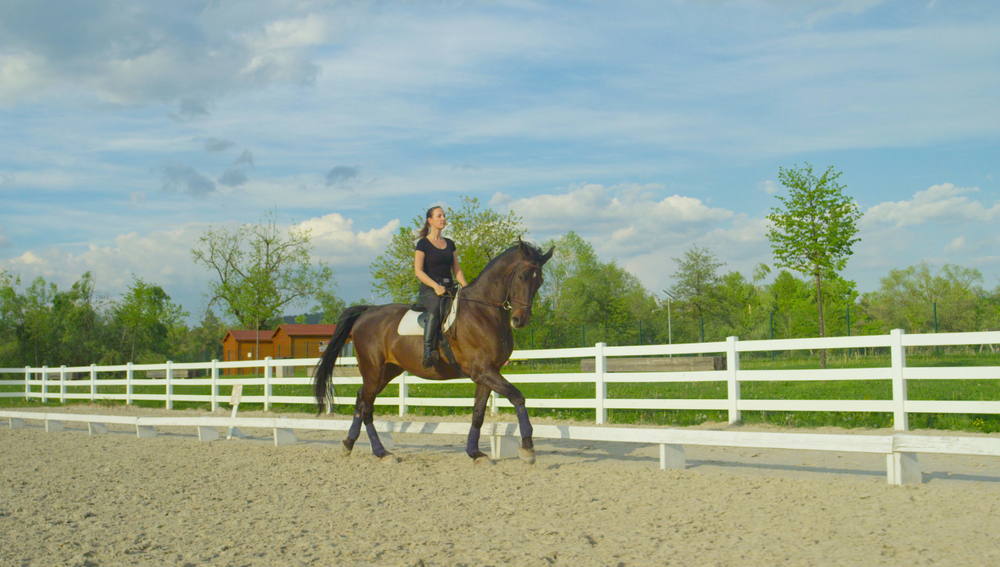
Training is often described as a conversation between horse and human. But for that conversation to be fair, both voices must matter. “When horses say no” does not always mean stubbornness, disrespect, or unwillingness. Often, it is communication. A horse may be expressing discomfort, confusion, fear, pain, or a genuine preference. Recognizing consent, choice, and agency in training encourages a more ethical and effective approach—one that supports trust, safety, and long-term partnership.
What Do Consent, Choice, and Agency Mean in Horse Training?
In equine training, these ideas refer to how much the horse is allowed to participate willingly in the learning process.
Consent means the horse is not being forced beyond its emotional or physical threshold and is able to respond without intimidation.
Choice means the horse is given options within training, such as how to approach a task, when to pause, or how to engage with a new experience.
Agency means the horse has some level of control over its actions and can influence what happens next through its behavior and responses.
These concepts do not mean allowing a horse to do absolutely anything at any time. Rather, they mean training in a way that respects the horse as a thinking, feeling learner.
How Horses Say No
Horses communicate refusal in many different ways, from very subtle signs to obvious resistance. These may include:
Pinned ears
Tension in the jaw or body
Tail swishing
Moving away
Refusing to step forward
Head tossing
Pawing or fidgeting
Freezing in place
Bucking, rearing, or bolting in more intense situations
A “no” can mean many things. The challenge for the trainer is to ask why the horse is responding this way instead of immediately trying to overpower the behavior.
What a Refusal May Be Telling You
-
Pain or Physical Discomfort
Resistance may be the result of saddle fit issues, dental pain, lameness, muscle soreness, or other underlying health concerns. What appears to be disobedience may actually be discomfort. -
Fear or Anxiety
A horse may refuse because the situation feels unsafe or overwhelming. New environments, unfamiliar objects, sudden movements, or past negative experiences can all contribute. -
Confusion
Sometimes the horse does not understand what is being asked. Inconsistent cues, poor timing, or asking for too much too soon can create frustration. -
Lack of Readiness
Even if the horse understands the task, it may not yet be physically or emotionally prepared to complete it confidently.
Why Respecting “No” Matters
Honoring a horse’s signals does not weaken training. In many cases, it strengthens it. When horses learn that their communication is noticed and responded to fairly, they are more likely to remain relaxed, engaged, and trusting.
Key benefits include:
Improved trust between horse and handler
Reduced stress and conflict during training
Better emotional regulation in the horse
Safer interactions for both horse and human
Greater willingness and confidence over time
A horse that feels heard is often more cooperative than one that feels trapped.
How to Build Choice into Training
Choice can be included in simple, practical ways during everyday sessions. Examples include:
Allowing the horse a moment to observe a new object before approaching
Breaking tasks into smaller steps
Offering pauses between repetitions
Letting the horse move its feet instead of demanding total stillness immediately
Rewarding investigation, curiosity, and calm responses
Adjusting the session when the horse shows signs of stress
These strategies help the horse stay mentally present rather than emotionally shut down.
Balancing Leadership and Agency
Some people worry that giving horses agency means losing control. In reality, good training still includes structure, boundaries, and guidance. The difference is in how those boundaries are taught and maintained.
A thoughtful trainer leads without relying on fear. They observe the horse’s responses, adjust expectations, and use pressure with care and release with precision. Leadership and agency are not opposites. Strong leadership often becomes clearer and more effective when the horse is treated as an active participant.
Signs of Willing Participation
A horse that is engaged and consenting in training may show:
Soft eyes and relaxed facial muscles
A forward but calm attitude
Willingness to approach or repeat the task
Steady breathing
Curiosity and attentiveness
Smoother, more confident responses over time
These signs suggest that learning is happening in a state where the horse feels safe enough to participate.
Practical Considerations
When a Horse Says No, Pause and Assess
Before correcting the behavior, consider:
Is the horse in pain?
Does the horse understand the cue?
Is the environment too stressful?
Am I asking for too much too soon?
Has the horse had enough rest, clarity, and preparation?
Adjusting the Training Plan
A refusal can be useful information. It may mean the plan needs to change by:
Revisiting foundational skills
Slowing the pace
Improving timing and consistency
Changing equipment if discomfort is suspected
Ending the session on a calmer, more successful note
Conclusion
When horses say no, they are not necessarily challenging authority—they are communicating. Consent, choice, and agency in training invite us to listen more carefully and respond more ethically. By respecting the horse’s experience and allowing room for participation, trainers can build relationships based on trust instead of force. In the end, the goal of training is not simply obedience, but a partnership where the horse feels safe, understood, and willing to say yes.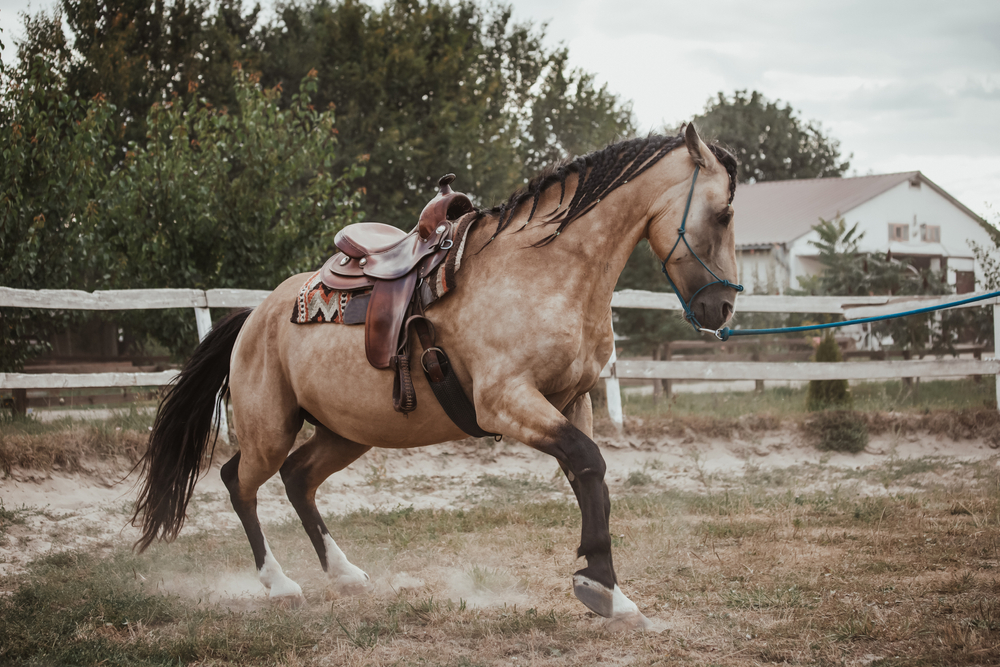
Related Guides
If you found this helpful, these related articles cover more ground:
- Do Horses Consent? Rethinking Choice in Training and Riding
- Neuroplasticity in Horses: Can Training Physically Change the Brain?
- The Aesthetics of Movement: Why Watching Horses Feels Like Poetry
- Slow Training: The Case for Taking More Time Than Necessary
- Liberty Training Beyond Tricks: Building True Partnership

Written by
Phoebe writes about horse care, health, and behavior for Equestrian Space, blending hands-on stable experience with up-to-date veterinary guidance.