Back to top

Barn & Facility Management

Horse facilities work best when safety, drainage, ventilation, welfare, and daily efficiency are designed together. This practical hub brings EquestrianSpace guidance into one place for planning or improving a private barn, boarding operation, arena, pasture connection, and horse-friendly working environment. Start with the basics: choose surfaces that support soundness, control moisture and dust, maintain dependable airflow, and build routines that reduce stress and wasted labor. Then evaluate upgrades against climate, traffic, footing, cleaning demands, budget, and the individual horses who use the space. For deeper reading, see horse stall mat thickness and installation decisions, features of high-quality horse mats, safe stable management, arena footing, drainage, and maintenance, and barn air quality.

From Battlefield to Therapy Barn: The Evolving Symbolism of the Horse
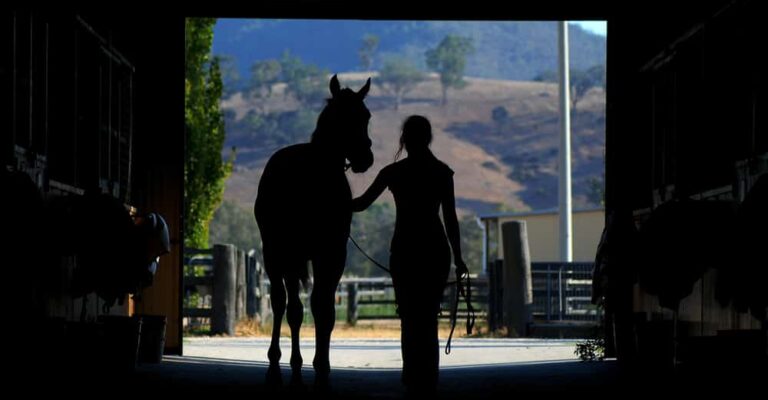
Horse-safe stable setup with doors and fencing checked before fireworks

IntroductionThroughout history, the horse has been a powerful symbol of strength, freedom, and partnership. Once a cornerstone of warfare and survival, the horse now occupies a very different role in human society—one of healing, therapy, and emotional connection. From thundering hooves on ancient battlefields to the calm rhythm of equine-assisted therapy sessions, the horse’s symbolic … Read more
Harnessing Drones for Pasture and Fence Monitoring

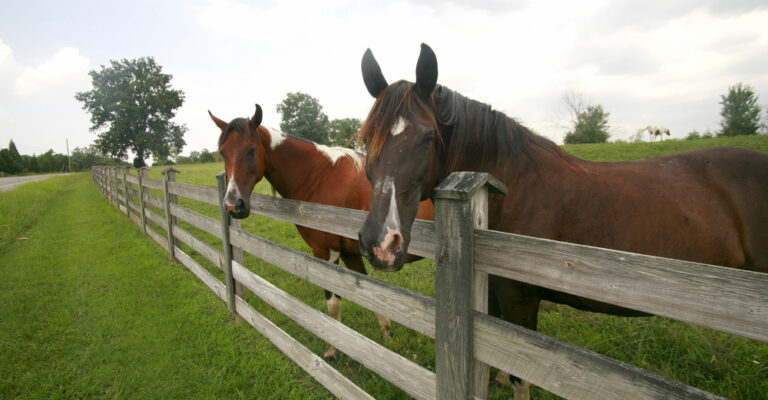
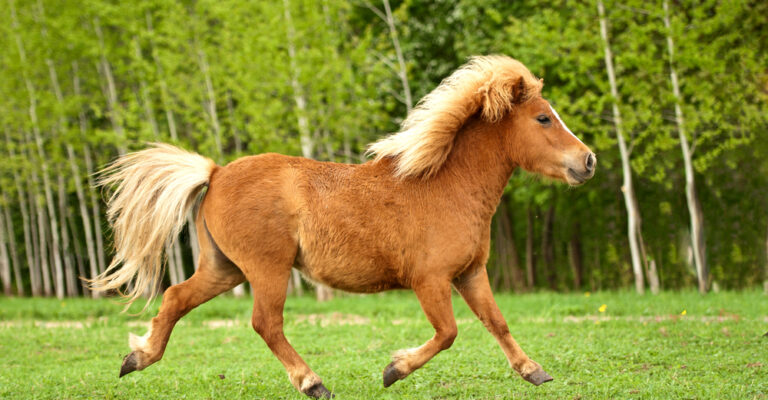
IntroductionIn recent years, drone technology has transformed agricultural management, providing farmers and ranchers innovative ways to improve efficiency, reduce labor, and enhance the safety of livestock operations. One increasingly valuable application is using drones for pasture and fence monitoring. With aerial views and real-time data, drones help detect fencing damage, assess forage conditions, locate livestock, … Read more

Creating a Pollinator-Friendly Barn Environment

Child riding a calm pony with an adult supervising in an arena

Introduction Pollinators play a vital role in agriculture and ecosystem health. Bees, butterflies, hummingbirds, and other pollinators ensure the reproduction of many plants, including crops that sustain both humans and animals. However, pollinator populations are declining due to habitat loss, pesticide use, and climate change. For horse and livestock owners, creating a pollinator-friendly barn environment … Read more

DIY Enrichment Projects for Bored Barn Days

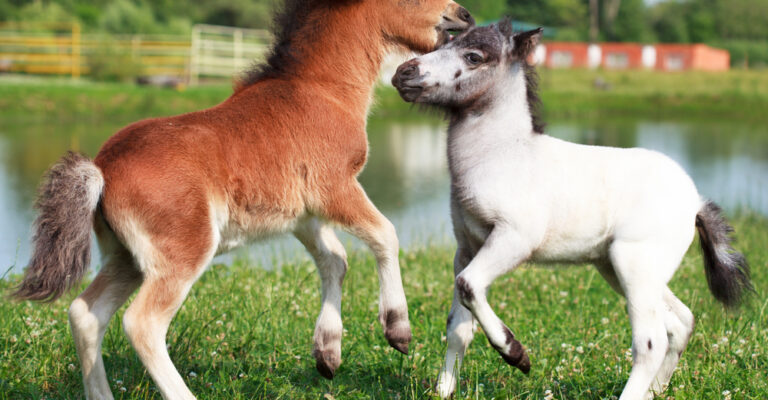
Miniature horse being cared for in a stable setting

Rainy afternoons, extreme heat, stall rest, and long winter days can limit a horse’s usual movement and grazing. A few carefully chosen enrichment activities can give a horse something appropriate to investigate, forage for, or learn. The goal is not to keep a horse constantly busy or to replace turnout, forage, social contact, or veterinary … Read more