
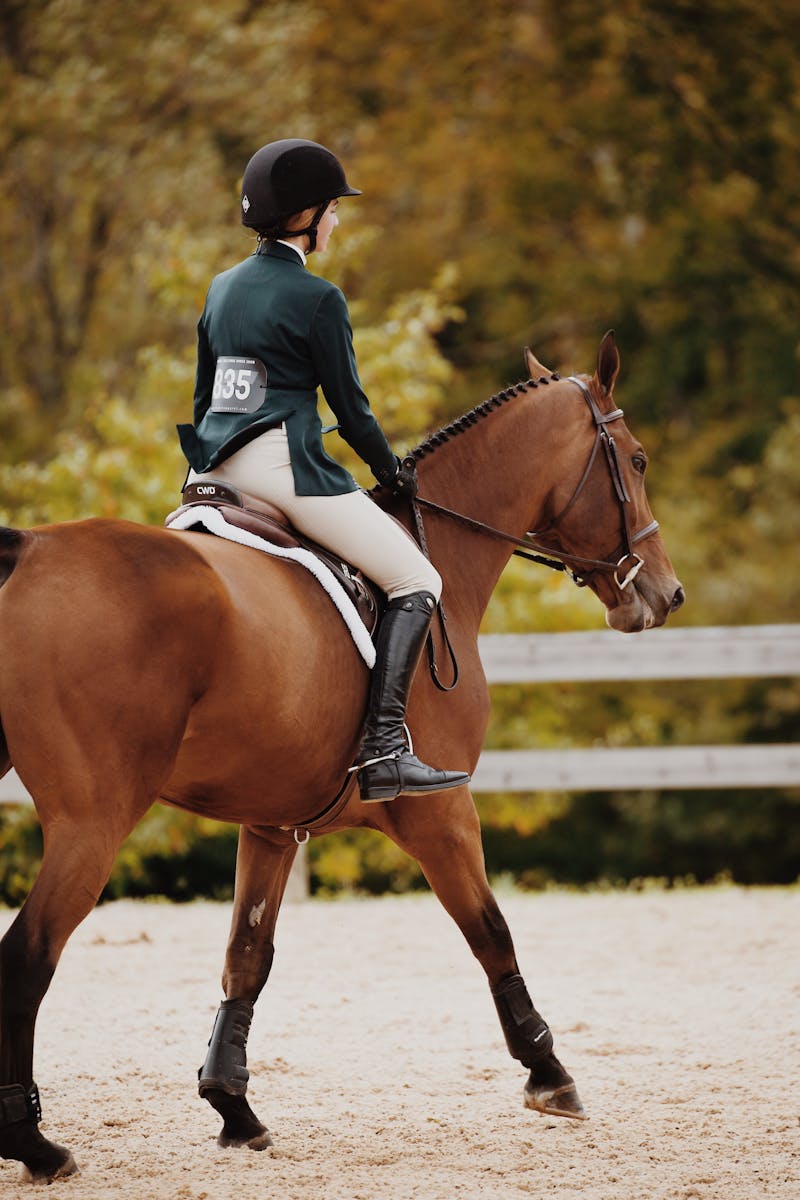
In the world of horses, striving for excellence is often celebrated. Riders and trainers devote countless hours to refining their skills, improving communication, and pursuing the highest standards of horsemanship. Attention to detail can be a tremendous asset in equestrian sport, where subtle differences in timing, balance, and feel can profoundly influence outcomes.
However, there is a fine line between pursuing excellence and demanding perfection. When standards become rigid, unrealistic, or all-consuming, perfectionism can begin to hinder rather than help both horse and rider.
While high standards may initially appear beneficial, unchecked perfectionism can create frustration, anxiety, and stagnation. In some cases, it may even compromise horse welfare and erode the very partnership that lies at the heart of horsemanship.
Understanding Perfectionism
Perfectionism extends beyond simply wanting to do well. Psychologists often describe perfectionism as the tendency to set excessively high standards while being overly critical of mistakes and perceived shortcomings.
In equestrian settings, perfectionism may appear as:
- Feeling dissatisfied despite objectively good performances.
- Focusing exclusively on errors while ignoring successes.
- Becoming frustrated when progress is slower than expected.
- Viewing mistakes as failures rather than opportunities for learning.
- Believing that anything less than flawless performance is unacceptable.
- Constantly seeking validation from instructors, judges, or peers.
Healthy ambition encourages growth. Perfectionism often creates chronic dissatisfaction.
Why Equestrians Are Vulnerable to Perfectionism
Several aspects of equestrian sport can foster perfectionistic tendencies.
The Pursuit of Precision
Horse training requires precision. Riders are taught to refine aids, improve timing, and strive for consistency. The smallest adjustments can produce significant changes in performance.
While precision is important, the pursuit of technical mastery can sometimes evolve into unrealistic expectations.
Competitive Environments
Competition inherently involves evaluation. Scores, placings, and judges’ comments may encourage riders to scrutinize every detail of their performance.
Repeated exposure to external evaluation can lead riders to equate personal worth with competitive success.
Social Media and Comparison
Modern riders are constantly exposed to images and videos depicting polished performances, successful partnerships, and seemingly effortless rides.
Rarely do these portrayals reveal the mistakes, setbacks, and difficult training sessions that occur behind the scenes.
As a result, riders may begin holding themselves to impossible standards.
Deep Emotional Investment
Horses occupy a unique place in many riders’ lives. Because equestrians care deeply about their horses and their partnerships, perceived shortcomings can feel intensely personal.
This emotional investment can amplify perfectionistic thinking.
When High Standards Become Barriers
Perfectionism often disguises itself as dedication. Yet excessive standards can impede learning and development.
Fear of Making Mistakes
Learning requires experimentation, mistakes, and adjustment. Riders who fear errors may become hesitant, overly cautious, or reluctant to try new skills.
Fear of failure often limits growth more than mistakes themselves.
Analysis Paralysis
Some riders become so focused on achieving perfect execution that they overanalyze every movement.
Excessive self-monitoring can interfere with natural feel, timing, and responsiveness.
Instead of riding fluidly, individuals may become mentally overwhelmed by constant internal criticism.
Reduced Confidence
Perfectionists frequently overlook progress and focus solely on deficiencies.
Over time, this pattern can erode confidence and reinforce feelings of inadequacy, even among highly capable riders.
Burnout
Relentless self-imposed pressure can transform a beloved passion into a source of stress.
Without periods of enjoyment, flexibility, and self-compassion, riders may experience emotional exhaustion and lose motivation altogether.
The Impact on Horses
Perfectionism affects not only riders but also horses.
When expectations become unrealistic, horses may experience:
- Increased physical demands.
- Excessive repetition during training.
- Frustration resulting from inconsistent or emotionally charged cues.
- Reduced opportunities for rest or relaxation.
- Heightened stress or anxiety.
Horses are individuals with unique personalities, learning styles, and physical limitations. They do not perform with machine-like consistency.
Expecting perfection from horses ignores the realities of working with living, sentient beings.
Embracing the Learning Process
Horsemanship is not a destination but a lifelong process of learning.
Even elite riders continue refining their skills, adapting their approaches, and making mistakes.
Mistakes provide valuable information. They reveal gaps in understanding, highlight areas for improvement, and create opportunities for growth.
Shifting from a perfection mindset to a learning mindset can transform the training experience.
Instead of asking:
“How do I avoid mistakes?”
Consider asking:
“What can this experience teach me?”
Redefining Success
Success in horse training should not be defined solely by flawless execution.
Alternative indicators of progress include:
- Improved communication between horse and rider.
- Greater relaxation and willingness in the horse.
- Increased confidence.
- Enhanced understanding of equine behavior.
- Better timing and feel.
- Stronger partnership and trust.
These qualities often matter far more than technical perfection.
Cultivating Self-Compassion
Self-compassion does not mean lowering standards or excusing poor horsemanship. Rather, it involves responding to mistakes with understanding rather than harsh self-judgment.
Consider how you would respond if a friend struggled during a lesson.
Most riders would offer encouragement, perspective, and patience.
Extending that same kindness toward oneself can foster resilience and sustained motivation.
Practical Strategies for Managing Perfectionism
Set Realistic Expectations
Recognize that neither horses nor humans perform perfectly every day.
Training plans should account for fluctuations in energy, mood, weather, health, and countless other variables.
Celebrate Small Improvements
Progress often occurs gradually.
Acknowledging small victories—such as a calmer transition, improved balance, or increased relaxation—can reinforce motivation and satisfaction.
Focus on Process Goals
Rather than emphasizing outcomes exclusively, establish goals related to behaviors and skills.
Examples include:
- Maintaining steady contact.
- Improving timing of aids.
- Remaining patient during challenges.
- Supporting the horse’s relaxation.
Process goals promote learning and reduce performance pressure.
Limit Excessive Comparison
Every horse-and-rider partnership follows a unique path.
Comparing your journey to others may obscure the meaningful progress occurring within your own partnership.
Allow Space for Enjoyment
Not every ride must serve a competitive objective.
Trail rides, groundwork sessions, playful exercises, or simply spending quiet time with horses can strengthen relationships and renew enthusiasm.
The Value of “Good Enough”
The phrase “good enough” may seem counterintuitive within competitive sport, yet it can represent profound wisdom.
“Good enough” does not imply mediocrity or complacency.
Rather, it acknowledges that sustainable progress often emerges through consistency, patience, and incremental improvement rather than relentless perfection.
Many exceptional horsemen and horsewomen recognize that striving for perfection can sometimes interfere with effective communication.
Horses respond best to clarity, fairness, and understanding—not perfection.
Final Thoughts
Perfectionism in horse training often begins with admirable intentions: a desire to improve, care well for one’s horse, and pursue excellence.
However, when standards become inflexible or self-worth becomes dependent upon flawless performance, perfectionism can create barriers to both learning and enjoyment.
The most meaningful horsemanship rarely emerges from perfection. It develops through patience, curiosity, humility, and a willingness to learn from mistakes.
Neither horses nor humans are perfect.
And perhaps that is precisely what makes the partnership between them so extraordinary.
Related Training and Horsemanship Guides
For practical ways to make progress without sacrificing the horse’s welfare, see these related guides:
- Slow Training: The Case for Taking More Time Than Necessary
- Liberty Training Beyond Tricks: Building True Partnership
- Fear After a Fall: Rebuilding Trust in Yourself and Your Horse

Written by
Phoebe writes about horse care, health, and behavior for Equestrian Space, blending hands-on stable experience with up-to-date veterinary guidance.
Very Important information to learn from….Interested in learning about Monkeys like capuchin monkeys, finger marmoset or macaques go to https://newtowngatewaysolution.com/ Before considering a capuchin monkey or marmoset or macaque, research local laws, licensing requirements, housing, diet, veterinary care, lifespan, and the specialized needs of these highly intelligent primates. Prospective owners should work only with legitimate, licensed sources and prioritize animal welfare and responsible placement.
Wonderful Information to learn from…Looking for Teacup Pomeranian Puppies for Sale ? Learn more about available Pomeranian puppies, including their care, temperament, health information, and responsible placement. If you’re considering bringing home a Pomeranian puppy, make sure to research reputable breeders, ask for health records, and understand the care these small companion dogs require.
Great Information.. Know the world of beautiful colors, want to know more about Parrots like the congo African grey parrots, Indian Ringneck Parrots. Macaws ?? go to https://handrearedexoticbirdsfarms.com/! These colored friends are known for their intelligence, social behavior, and stunning beauty. From vibrant plumage to impressive mimicry skills, birds captivate us with their unique personalities, explore our hand raised exotic birds and learn more about parrots