Back to top

For the Love of Horses

Practical horse care, facility management, and riding knowledge — written for owners who want to do right by their horses.

Explore the BlogShop Horse Mats

The Future of Equestrian Sports in the Paralympics
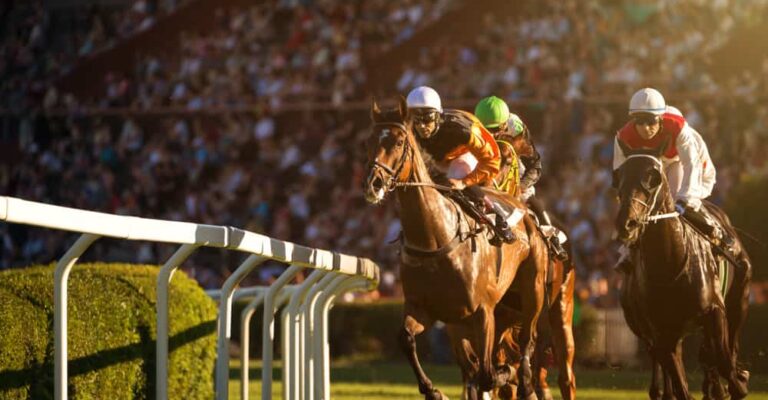
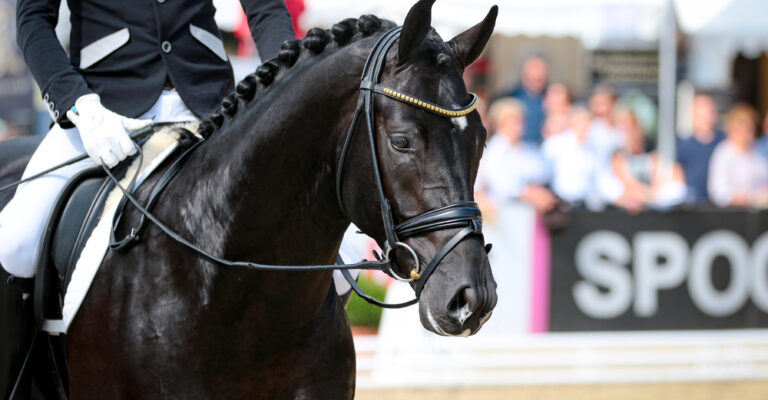
Introduction Equestrian sports have long been a symbol of partnership between horse and rider, showcasing balance, trust, and skill. In the Paralympics, these sports hold a unique place as one of the few competitions where athletes with disabilities compete on equal footing across classifications, guided by the horse’s ability to respond to subtle cues. As … Read more
Creating a Pollinator-Friendly Barn Environment

Introduction Pollinators play a vital role in agriculture and ecosystem health. Bees, butterflies, hummingbirds, and other pollinators ensure the reproduction of many plants, including crops that sustain both humans and animals. However, pollinator populations are declining due to habitat loss, pesticide use, and climate change. For horse and livestock owners, creating a pollinator-friendly barn environment … Read more

Horses and the Law: Understanding Equine Liability and Insurance

Introduction Owning, riding, or working with horses brings joy and fulfillment, but it also comes with legal and financial responsibilities. Horses are large, unpredictable animals, and accidents involving them can result in significant injuries or property damage. Because of this, equine owners and professionals must understand liability issues and the role of insurance in protecting … Read more

How to Host a Zero-Waste Horse Event

Introduction Horse shows, clinics, and competitions bring together riders, owners, and equestrian enthusiasts to celebrate the sport and the animals we love. However, large gatherings often generate significant waste—from food packaging and water bottles to disposable stall bedding and promotional materials. Hosting a zero-waste horse event means planning with sustainability in mind, aiming to reduce … Read more

Equine-Assisted Therapy: Healing Through Horse Connection

IntroductionEquine-assisted therapy (EAT) is an innovative therapeutic approach that uses interactions with horses to promote emotional growth, physical rehabilitation, and mental well-being. Rooted in the unique bond between humans and horses, this therapy is increasingly recognized as a valuable complement to traditional treatment methods. From helping children with developmental challenges to supporting veterans with post-traumatic … Read more

The Science of Saddle Pads: Materials, Fit, and Function

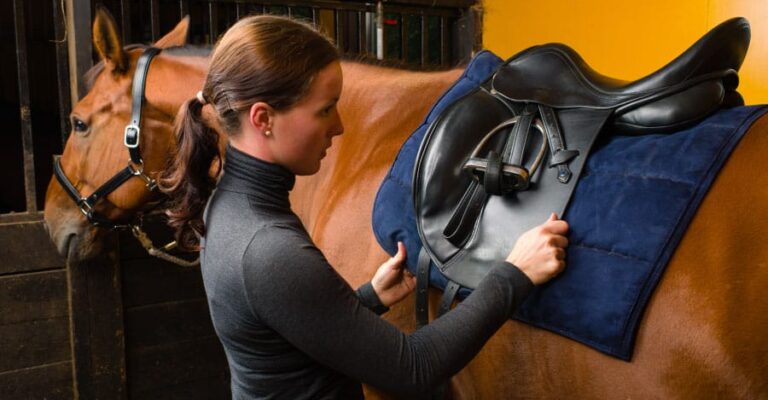
IntroductionSaddle pads may seem like a simple accessory, but they play a critical role in equine comfort, performance, and long-term health. Acting as a buffer between horse and saddle, the right pad distributes pressure, absorbs shock, reduces friction, and helps regulate temperature. A poor choice, however, can lead to discomfort, soreness, and even chronic back … Read more

Hydration and Electrolytes: Keeping Horses Cool in Hot Weather

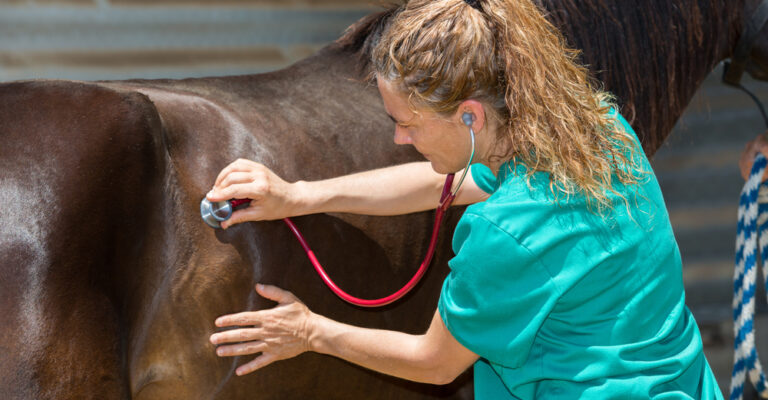
Introduction Hot weather poses unique challenges for horse owners. Just like people, horses lose fluids and essential electrolytes through sweat, especially during intense exercise, long rides, or humid summer days. Dehydration and electrolyte imbalance can lead to fatigue, poor performance, heat stress, and even life-threatening conditions like colic. Proper hydration strategies, combined with balanced electrolyte … Read more

Injury Prevention for Young Performance Horses

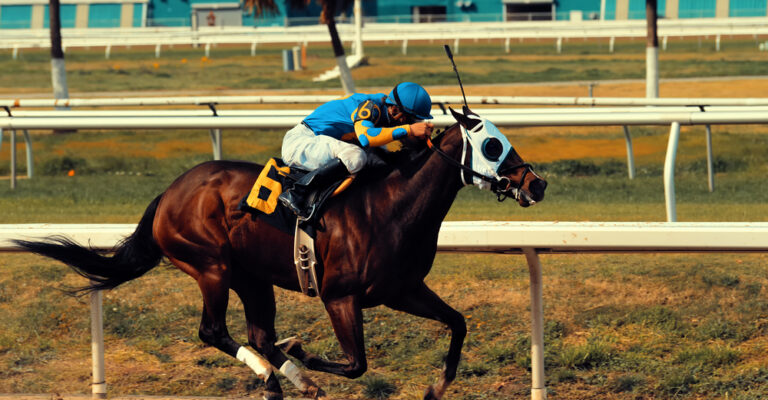
Introduction Young performance horses represent the future of equestrian sports, from racing and show jumping to dressage and eventing. Their training years are critical in shaping both their athletic ability and long-term soundness. However, these horses are also at increased risk of injury due to developing bones, joints, and muscles that are still adapting to … Read more

When to Retire Your Horse: Knowing the Right Time

IntroductionDeciding when to retire a horse is one of the most emotional and difficult responsibilities an owner faces. Horses are companions, athletes, and partners, and knowing when they can no longer safely or comfortably perform their usual roles requires careful consideration. Retirement does not mean the end of their usefulness or joy—it simply means adjusting … Read more

Recognizing Pain in Stoic Horses: Subtle Signs You Might Miss

Introduction Horses are naturally stoic animals, often masking discomfort as a survival instinct. While this resilience can be admirable, it also means that pain in horses frequently goes unnoticed until it becomes severe. Recognizing the subtle signs of pain is critical for horse owners, trainers, and veterinarians to provide timely care, prevent worsening conditions, and … Read more

The Hidden Costs of Horse Rescue and Rehabilitation

The Hidden Costs of Horse Rescue and Rehabilitation IntroductionRescuing and rehabilitating horses is often seen as an act of compassion and commitment to animal welfare. While it brings hope and second chances to neglected or abused animals, the reality is that horse rescue involves far more than providing food and shelter. From medical expenses to … Read more

How to Create a Horse-Friendly Sensory Trail

IntroductionA sensory trail is a carefully designed path that exposes horses to a variety of sights, sounds, textures, and obstacles in a safe and controlled environment. These trails are valuable training tools that build trust, confidence, and adaptability in horses, while also enriching their daily routines. By introducing horses to new experiences gradually, owners can … Read more