
Introduction
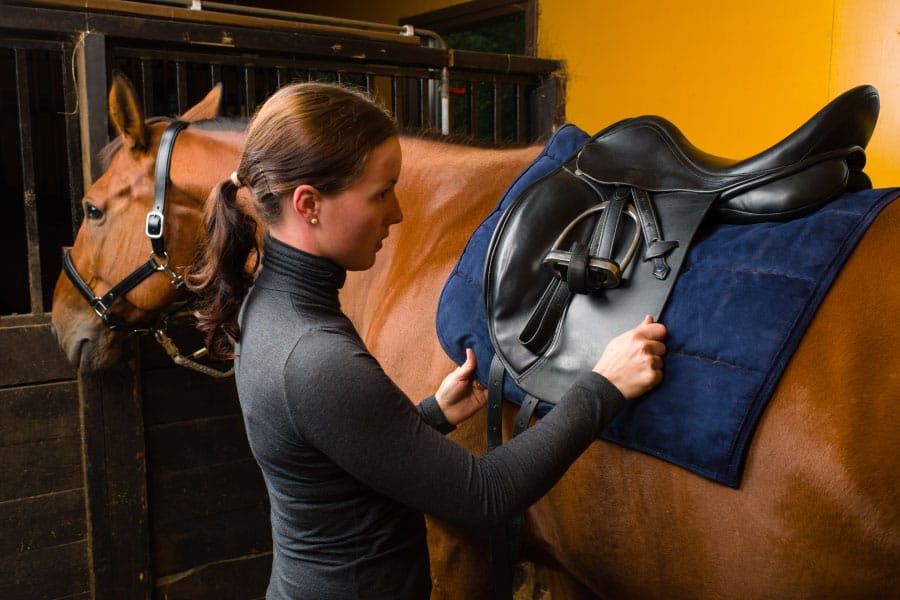
Saddle pads may seem like a simple accessory, but they play a critical role in equine comfort, performance, and long-term health. Acting as a buffer between horse and saddle, the right pad distributes pressure, absorbs shock, reduces friction, and helps regulate temperature. A poor choice, however, can lead to discomfort, soreness, and even chronic back problems. Understanding the science of saddle pads—what they’re made of, how they should fit, and what they’re designed to do—helps riders make informed decisions that support both horse and rider.
What Are Saddle Pads?
Saddle pads, also known as numnahs or blankets, are protective layers placed beneath the saddle. Their primary functions include:
-
Cushioning to reduce pressure points
-
Shock absorption during riding
-
Wicking away sweat and moisture
-
Protecting the saddle from dirt and oils
-
Enhancing saddle fit when needed
Pads come in various shapes, thicknesses, and materials, each suited to different horses, disciplines, and riding conditions.
Saddle Pad Materials
The material of a saddle pad largely determines its comfort, durability, and effectiveness. Common options include:
-
Wool
-
Naturally breathable and moisture-wicking
-
Conforms to the horse’s back over time
-
Provides excellent shock absorption
-
-
Fleece (Synthetic or Sheepskin)
-
Soft and cushioning
-
Reduces friction and rubbing
-
Synthetic fleece is easy to clean; sheepskin offers superior comfort but requires more care
-
-
Foam
-
Provides uniform cushioning
-
Lightweight and resilient
-
Can compress over time with heavy use
-
-
Gel
-
Excellent shock absorption
-
Distributes weight evenly
-
May trap heat and add weight
-
-
High-Tech Fabrics
-
Memory foam, neoprene, and breathable mesh are increasingly popular
-
Designed to balance support, ventilation, and lightweight comfort
-
Fit: Getting It Right
Even the best pad won’t work properly if it doesn’t fit. Key considerations include:
-
Shape and Size: Pads should match the saddle’s contours (all-purpose, dressage, or western) and cover the area without excess bulk.
-
Wither Clearance: Proper clearance prevents pressure on the sensitive withers and spine.
-
Thickness: Too much padding can make a well-fitted saddle too tight, while too little may not provide enough protection.
-
Horse’s Back Conformation: Pads with built-in shims or anatomical designs can help accommodate sway backs, high withers, or uneven muscle development.
Function: What Saddle Pads Can Do
-
Pressure Distribution
Pads spread the rider’s weight evenly across the horse’s back, reducing localized pressure points that could cause soreness. -
Shock Absorption
During activities like jumping, trail riding, or long training sessions, pads cushion impact and protect muscles and joints. -
Moisture and Heat Management
Materials like wool wick away sweat, helping regulate body temperature and preventing skin irritation. -
Saddle Fit Adjustment
Specialty pads with inserts or shims can correct minor saddle fit issues, though they should never replace professional saddle fitting. -
Protection and Longevity
Pads keep sweat, hair, and dirt from damaging the saddle, prolonging its lifespan.
Benefits of the Right Saddle Pad
-
Enhanced comfort for the horse, leading to better performance and willingness to work
-
Prevention of pressure sores, rubs, and long-term back problems
-
Support for proper saddle fit and rider balance
-
Improved sweat management for healthier skin and coat
-
Greater longevity of the saddle itself
Limitations of Saddle Pads
-
They cannot fix a poorly fitted saddle on their own
-
Some materials retain heat or compress over time
-
Extra padding may create new pressure points if not carefully chosen
-
Regular cleaning and maintenance are necessary for hygiene and effectiveness
Practical Considerations
When to Reevaluate Your Pad
-
If your horse shows signs of back soreness
-
After major changes in weight, muscle tone, or condition
-
When changing saddles or disciplines
-
If the pad shows excessive wear or compression
Choosing the Right Pad
-
Match the pad shape to your saddle type
-
Select materials appropriate for your climate and riding style
-
Consult a professional saddle fitter for personalized recommendations
Maintenance Tips
-
Wash pads regularly to prevent buildup of sweat, bacteria, and dirt
-
Check for uneven wear, which may indicate saddle fit issues
-
Rotate between pads to extend their lifespan
Conclusion
The science of saddle pads goes far beyond aesthetics—they are essential tools for protecting your horse’s comfort, health, and performance. By understanding materials, ensuring a proper fit, and recognizing the specific functions they serve, riders can choose pads that complement their saddles and support their horses. While no pad can replace professional saddle fitting, the right choice can make every ride smoother, safer, and more enjoyable for horse and rider alike.
Related Guides
If you found this helpful, these related articles cover more ground:
- Rethinking Bits and Bridles: Function, Fit, and Feel
- Identity in the Saddle: Who Are You Without Riding?
- Data in the Saddle: How AI and Sensors Are Changing Training Decisions
- Women in the Saddle: Changing the Face of Modern Equestrianism
- Mental Health in the Saddle: Supporting Riders Through the Highs and Lows

Written by
Phoebe writes about horse care, health, and behavior for Equestrian Space, blending hands-on stable experience with up-to-date veterinary guidance.