
Side Reins vs. Draw Reins: Uses, Risks, and Safer Training (2026 Guide)
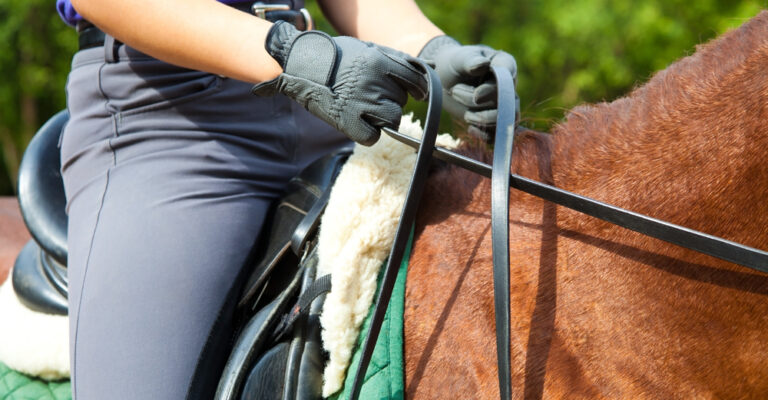
Side reins and draw reins serve different roles. Learn how they work, where they can go wrong, and how to prioritize balance, welfare, and qualified instruction.
Practical horse care, facility management, and riding knowledge — written for owners who want to do right by their horses.
Explore the BlogShop Horse Mats
Side reins and draw reins serve different roles. Learn how they work, where they can go wrong, and how to prioritize balance, welfare, and qualified instruction.

Yes, Paint Horses can do dressage. Learn how soundness, movement, temperament, training, and rider goals matter more than breed stereotypes.

Compare dressage stirrups by balance, comfort, footbed, release safety, fit, and current competition rules before choosing a pair for training or competition.
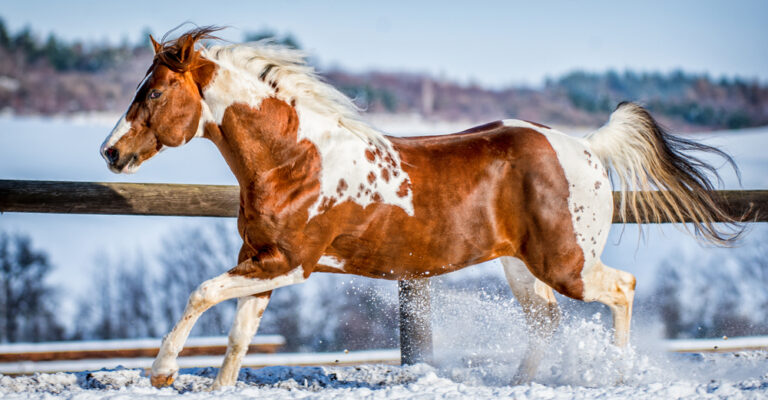
Some Paint Horses are excellent beginner partners, but the breed name is not a guarantee. Learn how training, temperament, age, soundness, and professional evaluation should guide your choice.

Learn the differences between polo, stable, medical, and travel wraps, when each may be appropriate, and how to reduce common bandaging risks.
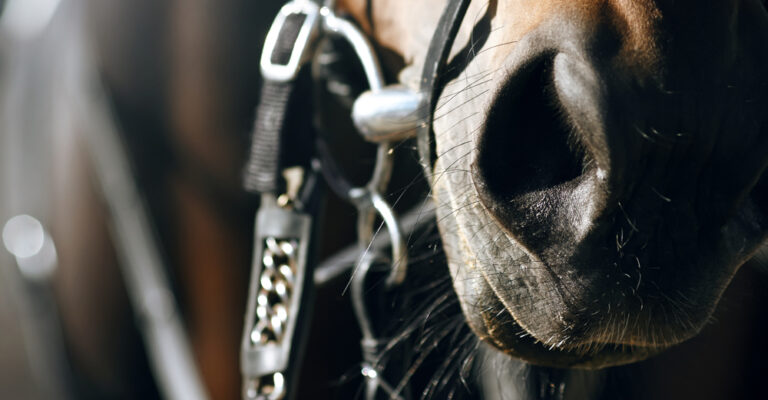
The best bit for a sensitive-mouthed horse depends on fit, anatomy, dental health, training, and rider contact—not a universal mouthpiece. Learn safer selection steps.
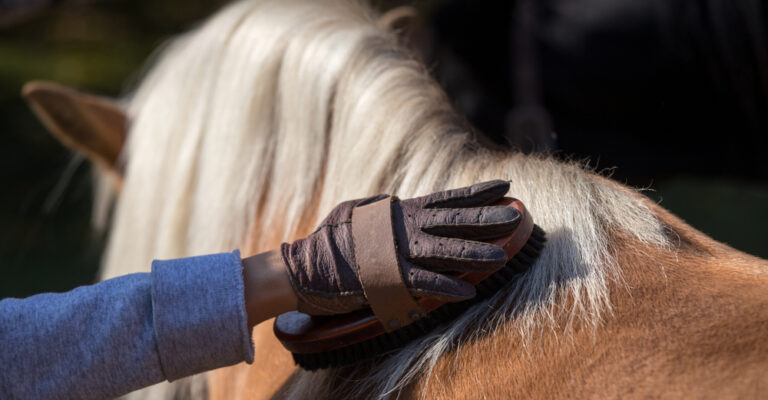
Brushing horses can seem like a lot of hard work for minimal gain. I recently had one student protest that he didn’t need to brush his little Arab after riding because his horse was “mostly clean.” This incident brought home the fact that many of the routine horse care protocols experienced horse owners follow may … Read more
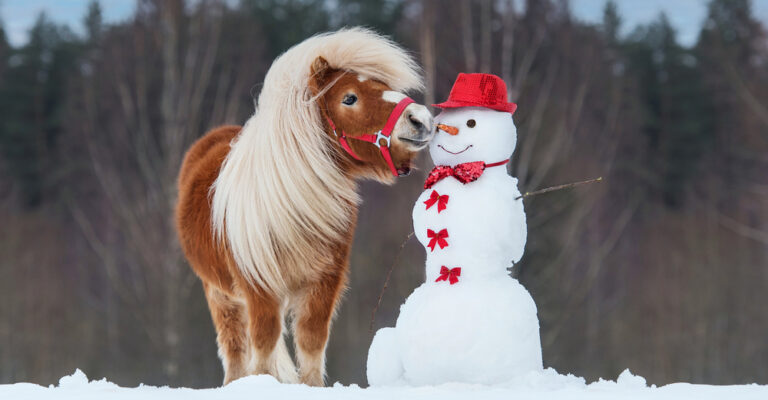
Learn when horses can safely stay outside in winter, how to provide shelter, forage, water, and safe footing, and which warning signs mean a horse needs more protection.
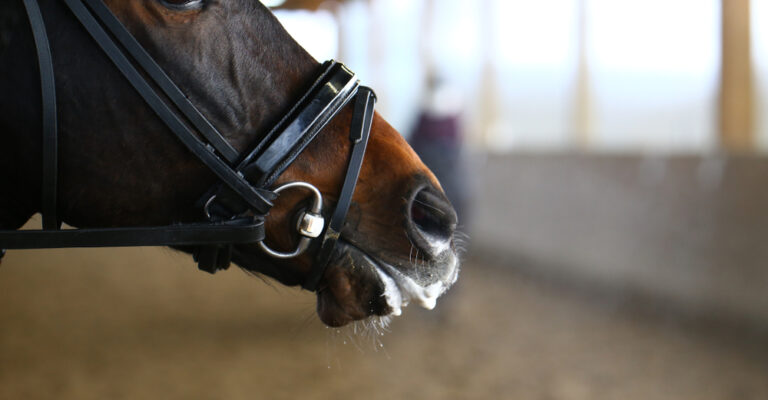
Why do horses foam at the mouth? Learn when saliva is normal during dressage or riding, what tack, dental, and health problems can cause excessive drooling, and when to call a veterinarian.
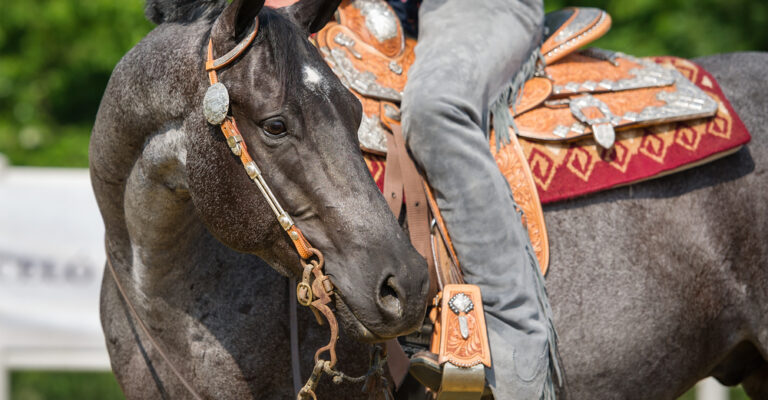
Compare the best horse breeds for Western riding in 2026, including Quarter Horses, Paints, Appaloosas, Arabians, Morgans, Mustangs, and gaited breeds by discipline, temperament, and work.
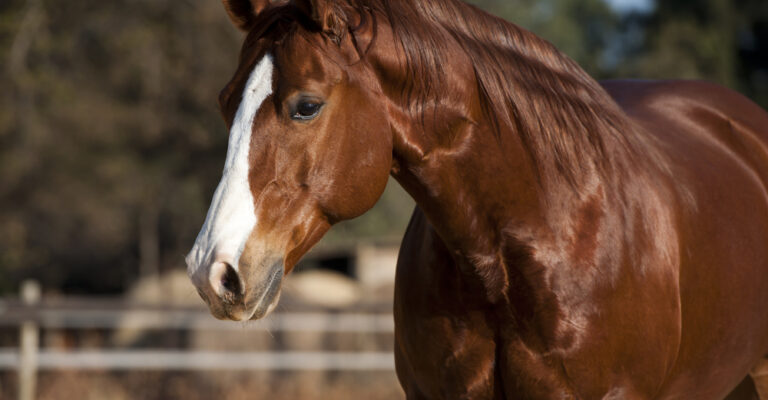
Compare 13 horse breeds and types for English riding, from Quarter Horses and Morgans to warmbloods, Thoroughbreds, ponies, and Lusitanos. Learn how to match breed, training, temperament, and soundness to dressage, jumping, eventing, and pleasure goals.
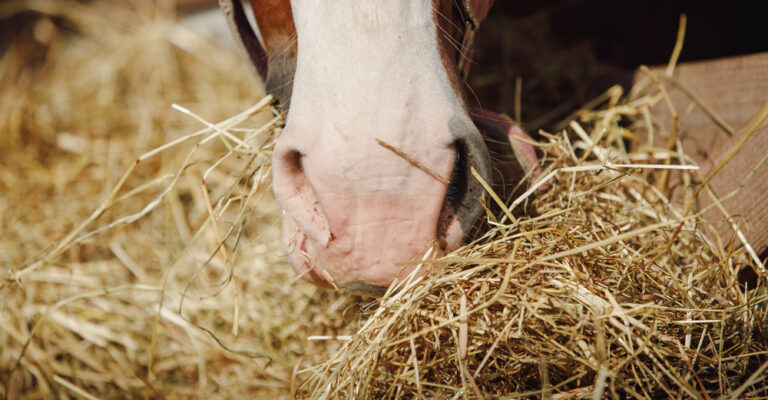
Learn which hay and forage hazards can harm horses, how to inspect a bale for mold or contamination, why lawn clippings are unsafe, and when to call a veterinarian.