
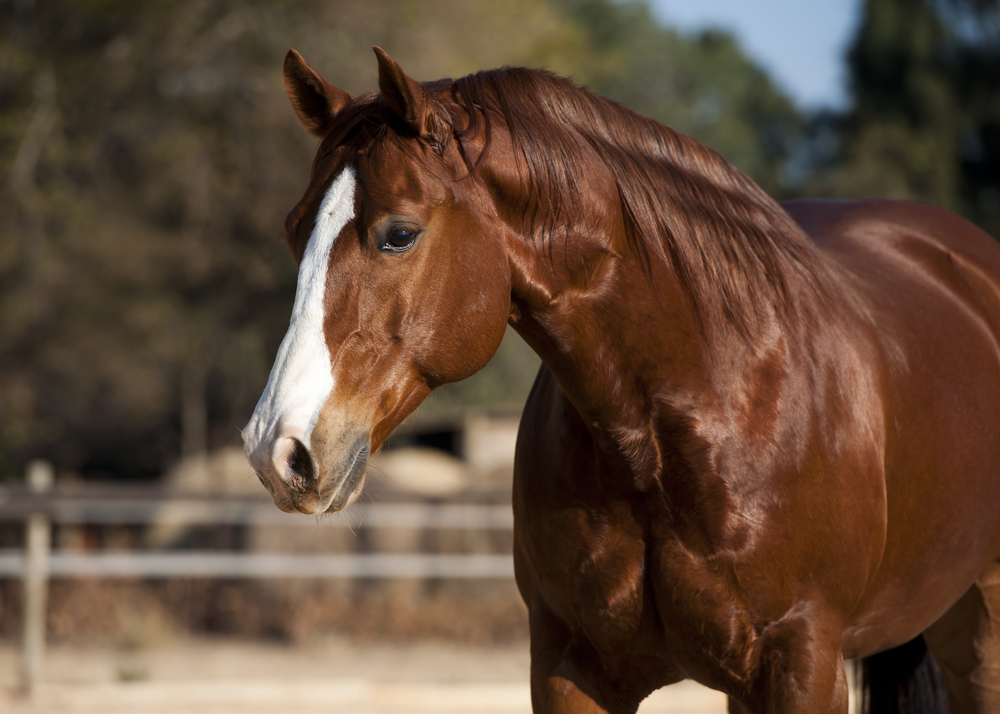
Choosing a horse for English riding starts with the discipline, the individual horse, and the rider’s goals—not the breed name alone. A suitable horse should be sound, appropriately trained, manageable for the rider, and comfortable with the expected work. Breed can suggest useful tendencies, but it cannot guarantee temperament, movement, jumping ability, or beginner suitability.
Quick answer: what are the best horse breeds for English riding and eventing?
Commonly successful choices include the American Quarter Horse, Thoroughbred, Morgan, Arabian, Connemara Pony, Irish Sport Horse, Dutch Warmblood, Hanoverian, Holsteiner, Oldenburg, Trakehner, Lusitano, and Friesian. Warmbloods are often selected for dressage and jumping, Thoroughbreds can suit forward athletic work, and Morgans, Arabians, Quarter Horses, and ponies may offer useful versatility. The best choice depends on the horse’s training, soundness, temperament, and the rider’s experience.
What makes a good English-riding horse?
- Trainability: the horse responds to clear aids without becoming overwhelmed.
- Rideability: the horse can maintain a balanced rhythm and adjust its stride for the work.
- Soundness: legs, feet, back, and respiratory health are appropriate for the intended workload.
- Temperament: the horse’s energy and sensitivity match the rider, rather than simply being labeled “calm” or “hot.”
- Experience: a horse with relevant schooling can be safer for a beginner than an untrained horse of a supposedly ideal breed.
13 breeds and types to consider
1. American Quarter Horse
Quarter Horses are compact, athletic, and widely valued for rideability. They can succeed in English pleasure, hunter, jumping, and versatility classes as well as western disciplines. AQHA’s English Versatility program is a useful reminder that English work is not limited to warmbloods. Look for a horse with suitable movement and schooling rather than assuming every Quarter Horse will fit a particular discipline.
2. Thoroughbred
Thoroughbreds are bred for athletic performance and can make capable hunters, jumpers, eventers, and dressage horses. Former racehorses vary greatly in retraining needs, fitness, and mental readiness. A thorough pre-purchase evaluation and an experienced trainer are especially important when considering an off-track horse.
3. Morgan
Morgans are versatile, willing, and often comfortable with a wide range of English activities. Individual conformation and movement still matter: a horse selected for dressage may differ from one suited to hunter or trail work. Their people-oriented reputation should not replace a practical trial ride and soundness examination.
4. Arabian
Arabians can bring endurance, intelligence, and athleticism to English riding. Many enjoy distance work, dressage, hunter, and show-hack settings. Their sensitivity can be a strength with a tactful rider, but a rider seeking a quiet, forgiving mount should assess the individual horse’s reactions and training.
5. Connemara Pony
Connemaras are athletic ponies known for jumping ability, balance, and versatility. They can be excellent choices for smaller adults and youth riders, although size, stride length, and the rider’s goals should be checked carefully. A well-trained Connemara may be more suitable than a larger but less educated horse.
6. Irish Sport Horse
Irish Sport Horses are associated with eventing, hunting, jumping, and all-around English work. The type includes horses with varied Thoroughbred and Irish breeding, so there is no single temperament or build. Evaluate the horse’s jumping technique, gallop, brakes, and recovery if eventing is the goal.
7. Dutch Warmblood
Dutch Warmbloods are commonly developed for sport-horse disciplines, especially dressage and jumping. They often have expressive movement and athletic scope, but those qualities can demand a rider with appropriate balance and training. A quieter individual may suit an amateur better than a highly reactive competition prospect.
8. Hanoverian
Hanoverians are sport horses frequently seen in dressage and jumping. Selection should focus on the specific horse’s rhythm, topline, feet, joints, and way of going. Breed reputation is only a starting point; an independent veterinarian and an experienced trainer should be involved in a purchase.
9. Holsteiner
Holsteiners are especially associated with show jumping and athletic performance. Their power and stride can be valuable over fences, while their energy may be challenging for an inexperienced rider. Match the horse’s competition history and training level to the rider’s actual ability.
10. Oldenburg
Oldenburgs are versatile warmbloods used in dressage and jumping. A balanced, correctly trained individual can be a strong partner for an ambitious amateur, but size and movement should fit the rider. Prioritize rideability and soundness over fashionable bloodlines.
11. Trakehner
Trakehners are known as athletic, refined sport horses and can excel in dressage, jumping, and eventing. Many are intelligent and sensitive. That can reward precise, consistent riding, but it is not automatically the easiest match for a nervous beginner.
12. Lusitano
Lusitanos are agile, responsive horses with a long association with classical riding and modern dressage. Their balance and willingness can be appealing, while their compact build and movement suit some riders better than others. Try the individual horse in the work you plan to do.
13. Friesian
Friesians can be eye-catching and enjoyable in dressage, driving, and recreational English riding. Their size, movement, and breed-specific conformation require careful attention to conditioning and veterinary soundness. They are not automatically the best choice for jumping, and a buyer should assess the horse’s actual athletic suitability.
Best horse breeds for eventing (three-phase focus)
Eventing asks a horse to be a dressage horse, a show jumper, and a cross-country athlete in one competition. A mount that is simply “good over fences” may not have the gallop, stamina, and mental boldness cross-country demands. For this reason the strongest eventing prospects are bred for a combination of rideability, scope, speed, and soundness.
| Phase | What eventing needs | Breeds/types often seen |
|---|---|---|
| Dressage | Suppleness, rhythm, rideability under pressure | Warmbloods (Trakehner, Hanoverian, Oldenburg), Irish Sport Horse |
| Show jumping | Scope, carefulness, adjustable stride | Warmbloods, Holsteiner, Thoroughbred, Irish Sport Horse |
| Cross-country | Gallop, speed, boldness, endurance, soundness over distance | Thoroughbred and TB crosses, Irish Sport Horse, Connemara (for amateur/pony paths) |
In practice, Thoroughbred and Thoroughbred crosses and Irish Sport Horses dominate much of upper-level eventing, while warmbloods bring the dressage and jumping quality. Ponies and amiable crosses like the Connemara can make excellent grassroots or amateur eventing partners. As with English riding generally, the individual horse’s soundness, temperament, and training matter more than the breed name. The demands of each phase are covered in our guides to dressage levels, best show-jumping breeds, and horse-jumping obstacles; our Quarter Horse eventing guide covers why a versatile breed can fit certain eventing paths.
Best breeds by English discipline
| Goal | Breeds or types often considered | What to evaluate |
|---|---|---|
| Dressage | Warmbloods, Lusitanos, Morgans, Arabians, Friesians | Rhythm, balance, trainability, soundness |
| Show jumping — see our dedicated guide to the best show-jumping breeds | Warmbloods, Irish Sport Horses, Thoroughbreds, Connemaras | Carefulness, scope, adjustability, brakes |
| Eventing | Thoroughbreds, Irish Sport Horses, warmblood crosses | Gallop, stamina, jumping technique, recovery |
| Hunter or pleasure | Quarter Horses, Morgans, Thoroughbreds, ponies, warmbloods | Steady rhythm, manners, comfortable movement |
How to choose the right individual horse
Write down the work you expect to do, how often you ride, your experience, your height and weight considerations, and the facilities available. Watch the horse being caught, groomed, tacked, mounted, and ridden. If possible, ride on more than one day and in the environment where you will keep the horse.
Have an independent equine veterinarian perform a pre-purchase examination. Ask specifically about prior injuries, injections, medications, ulcers, behavior changes, and the horse’s competition and training history. A professional trainer or instructor can help interpret whether the horse’s movement and reactions are appropriate for you.
Related EquestrianSpace guides
- What Is Dressage Riding?
- Is Dressage Harder Than Jumping?
- Best Horse Breeds for Western Riding
- 20 Most Popular Horse Breeds
Frequently asked questions
What is the best English horse for a beginner?
The best beginner horse is a calm, sound, well-trained individual whose energy and experience match the rider. Breed alone cannot determine that. A steady older horse with an appropriate record may be safer than an inexperienced horse from a traditionally popular sport-horse breed.
Are Quarter Horses good for English riding?
Yes. Many Quarter Horses can succeed in English pleasure, hunter, jumping, and versatility work. Their suitability depends on the individual horse’s movement, conformation, training, and temperament.
Are warmbloods good for beginner riders?
Some are, but warmbloods are not automatically beginner horses. Their size, athleticism, sensitivity, and training level vary widely. A beginner should work with an instructor to find a suitable individual.
What should matter more: breed or temperament?
For most riders, temperament, soundness, training, and rideability matter more than breed. Breed can narrow a search, but an honest assessment of the individual horse should decide the purchase.
Are Quarter Horses good for eventing?
Yes, in the right circumstances. Quarter Horses and their crosses can succeed at grassroots and amateur eventing, especially where the jumping and cross-country phases suit their athletic, sure-footed style. Our full guide to Quarter Horses in eventing explains the training, abilities, and levels where they can compete. A Quarter Horse will rarely match a Thoroughbred’s gallop or a warmblood’s scope at upper levels, so match the horse to the level you actually ride.
Sources and Further Reading
Sources: American Quarter Horse Association: English Versatility; US Equestrian: Connemara; FEI: Horse breeds and novice riders.

Written by
I've been around horses since I was 6 years old and started competing at the age of 9. Horses are my greatest passion and I am thrilled to be able to share my 23 (and counting) years of experience and knowledge with you.