
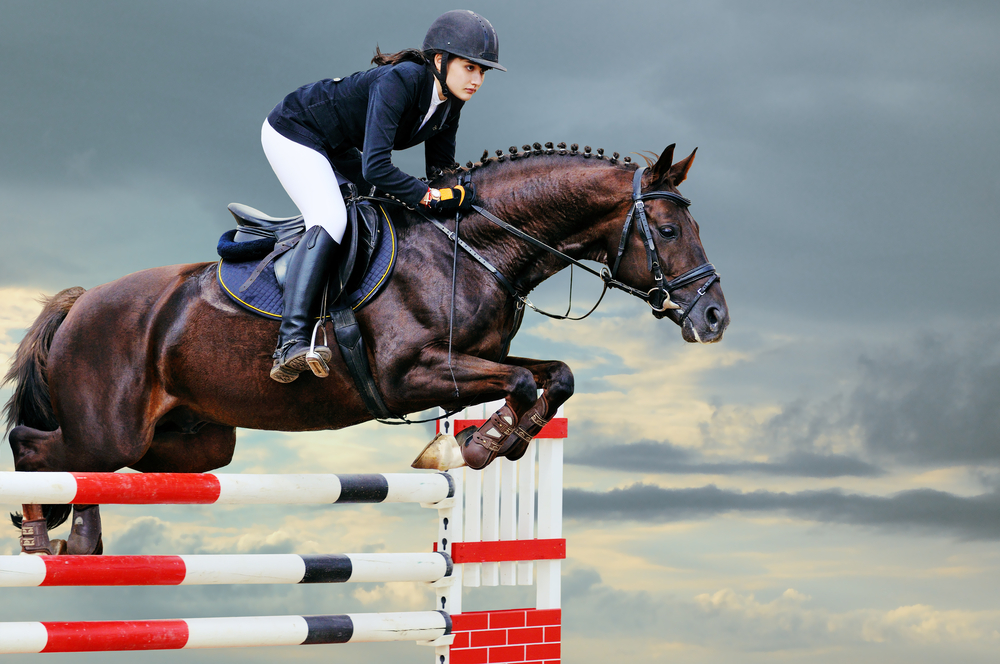
Surface choice changes how a horse loads its feet and limbs. The right question is not whether one material is universally “best,” but whether the surface is appropriate for the activity, maintained consistently, and matched to the horse’s conditioning, soundness, and workload. A surface that is forgiving in one setting can be unstable, deep, slick, or excessively hard in another.
How footing changes movement
At hoof impact, the ground affects shock absorption, traction, slide, and the amount of energy returned to the limb. Those variables influence stride length, breakover, joint loading, and the work required from tendons and muscles. Research and clinical experience do not support a simple promise that a particular surface prevents injury. Instead, risk rises when footing is inconsistent or when a horse moves from one surface to another without adequate adaptation.
Common surfaces and their trade-offs
Grass and turf
Well-maintained grass can provide useful cushioning, but wet turf may become slippery and dry, sparse turf can become hard. Uneven ground, holes, frozen ruts, and hidden stones matter more than the label “grass.” Inspect fields before fast work, especially after rain or frost, and avoid sharp turns on slick ground.
Dirt and arena footing
A properly prepared arena can offer predictable traction and impact management. The blend, depth, moisture, compaction, and grading all matter. Deep, loose footing can increase muscular effort and fatigue; hard or compacted footing can increase concussion. Harrowing and watering should restore consistency rather than merely move material around. For a practical drainage and maintenance framework, see our 2026 guide to arena footing.
Sand and synthetic blends
Sand-based systems can be comfortable when correctly installed and maintained, but they may become deep, dusty, or uneven. Synthetic fibers and other additives can improve consistency in some arenas, while also increasing installation and maintenance requirements. Ask the installer for the intended depth, watering needs, and renewal schedule instead of judging a product by its name alone.
Concrete, asphalt, and other hard surfaces
Hard surfaces are useful for aisles, wash areas, and loading zones because they are durable and easy to clean, but prolonged standing or repetitive fast work on them can be demanding. Use traction-appropriate footwear and keep walking routes free of manure, ice, and pooled water. A horse should not be expected to make sharp turns at speed on a hard, slick surface.
Rubber stall mats and stable flooring
Stall mats are not arena footing, and they do not correct a poorly built or wet stall base. Their role is to create a more resilient, cleanable surface over a suitable subfloor. The base must be level and able to manage urine and wash water; otherwise, trapped moisture and odor can undermine the benefit. Choose a textured top for wet traction, secure the mats so edges cannot shift, and lift and clean them periodically.
Before buying, compare thickness, seam design, weight, underside drainage, and how the product will fit the stall. Our guides to stall-mat thickness and one-piece versus individual mats cover those decisions in detail. For a product comparison, see Treadall horse stall mats.
How to reduce surface-related risk
- Inspect before work: look for holes, hard patches, standing water, loose material, ice, and manure.
- Keep conditions consistent: grade, harrow, water, or refresh footing on a defined schedule.
- Build fitness gradually: allow tendons, muscles, and hooves time to adapt when changing from grass to arena, road, or synthetic footing.
- Match the task: use a suitable, well-maintained surface for the speed, turns, jumps, and duration planned.
- Respond to warning signs: heat, swelling, shortened stride, stumbling, reluctance, or new asymmetry warrants stopping and consulting a veterinarian or qualified professional.
Surface, drainage, and stable management
Surface performance depends on the system beneath it. In stalls and high-traffic areas, drainage, grading, gutters, and runoff control are as important as the visible top layer. Penn State Extension’s horse stable flooring guidance emphasizes choosing materials alongside drainage and management. For gateways, lanes, and other muddy zones, University of Minnesota Extension recommends planned high-traffic pads with permeable geotextile layers and suitable stone rather than repeatedly adding loose material.
Frequently asked questions
What is the safest surface for a horse?
There is no single safest surface. The safest choice is an appropriate, level, consistent, well-drained surface maintained for the horse’s activity and fitness.
Can hard ground cause lameness?
Hard or uneven ground can increase concussion and may aggravate an existing problem, but lameness has many possible causes. Stop work when a horse becomes uneven and seek veterinary advice rather than diagnosing the surface alone.
Are rubber mats suitable for horse stalls?
Yes, when installed over a stable, level, well-drained base and maintained correctly. Mats reduce the need for bedding in some management systems, but they do not replace sanitation, drainage, or adequate bedding where a horse needs it.
How often should arena footing be maintained?
Frequency depends on use, weather, material, and drainage. Check the arena before each session and establish a routine for leveling, moisture management, and periodic depth checks.
Sources and Further Reading
- Penn State Extension: Riding Arena Footing Material Selection and Management — footing depth, material selection, drainage, and routine maintenance.
- Penn State Extension: Horse Stable Flooring Materials and Drainage — base preparation, drainage, and stable-flooring tradeoffs.
- University of Minnesota Extension: Managing Mud on Horse Farms — high-traffic areas, drainage, and safer footing management.
- AAEP: Lameness Rehabilitation — why surface observations should support, not replace, veterinary evaluation.

Written by
Phoebe writes about horse care, health, and behavior for Equestrian Space, blending hands-on stable experience with up-to-date veterinary guidance.