Back to top

Horse Facts & Knowledge

Breed guides, horse history, anatomy, and the facts every owner should know.

Understanding Bit Pressure: What Your Horse Really Feels
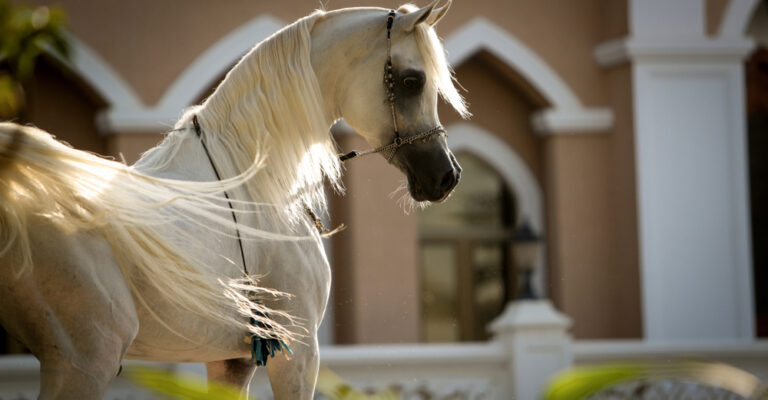
IntroductionBit pressure is a fundamental element of equine communication—yet often misunderstood. When used properly, the bit allows a rider to give subtle cues and maintain control. However, when misused or poorly fitted, it can cause discomfort, pain, and long-term behavioral issues in horses. Understanding how bit pressure affects your horse’s mouth, jaw, and overall experience … Read more
The Role of Horses in Modern Indigenous Communities

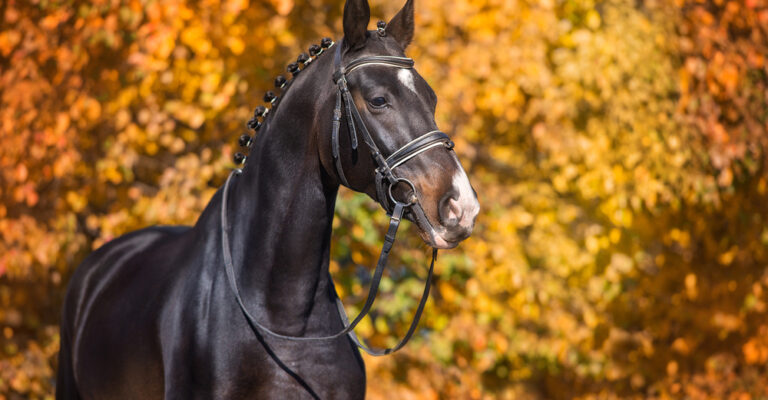
Horse wearing a bridle among autumn trees

IntroductionHorses have long played a vital role in the lives of Indigenous peoples across the world. Far from being relics of the past, horses continue to hold cultural, spiritual, and practical significance in many modern Indigenous communities. Today, they are not only a link to ancestral traditions but also serve as partners in community development, … Read more

Cloning Horses: Amazing Science or Ethical Dilemma?

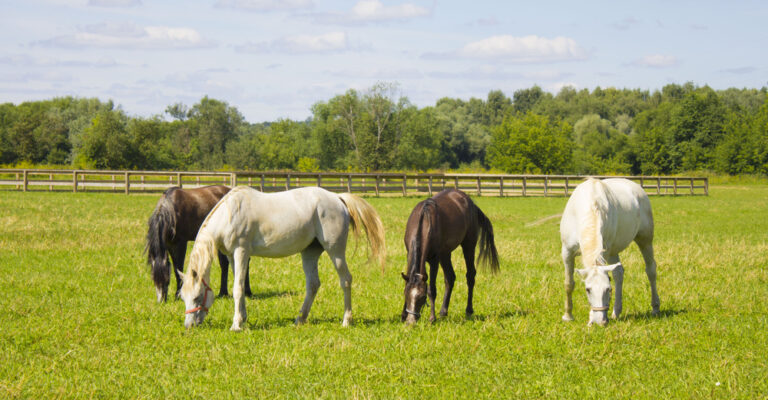
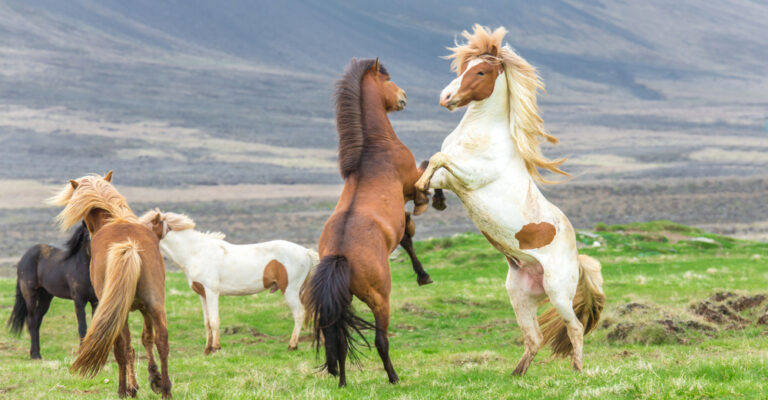
A group of long-maned horses, including a rearing pinto, grazing in a green field beneath mountains

IntroductionCloning has long been a concept found in science fiction, but today, it’s a scientific reality—especially in the world of elite horse breeding. Equine cloning involves creating a genetically identical copy of a horse, and it’s being used to replicate top-performing animals in disciplines such as polo, show jumping, and dressage. While some hail it … Read more

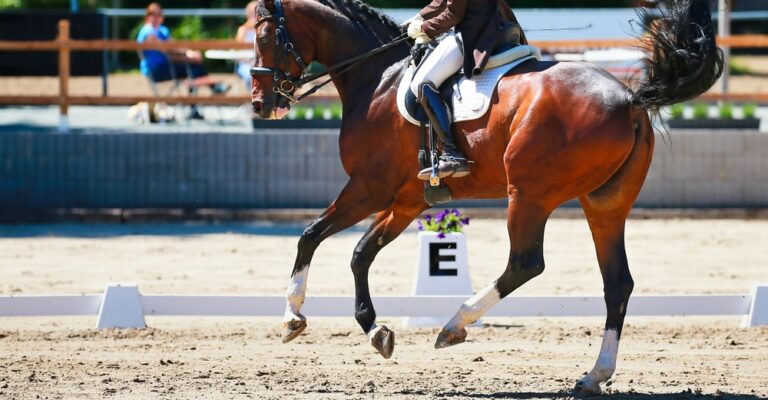
How Rider Balance Affects Your Horse’s Movement

Horse and rider practicing a balanced sitting trot in an arena

IntroductionRider balance plays a critical role in equine performance and health. Whether you’re a competitive rider, a casual trail enthusiast, or training young horses, your ability to maintain proper posture and balance directly influences your horse’s comfort, coordination, and overall movement. Understanding how rider biomechanics interact with equine motion is essential to developing a more … Read more

Building Strength and Flexibility in Dressage Horses

A group of long-maned horses, including a rearing pinto, grazing in a green field beneath mountains

IntroductionDressage is a discipline that demands both strength and suppleness from horses. To execute fluid movements, transitions, and precise patterns, a dressage horse must develop physical power and flexibility over time. These qualities not only enhance performance but also protect the horse from injuries, support long-term soundness, and promote overall well-being. A thoughtful training plan … Read more

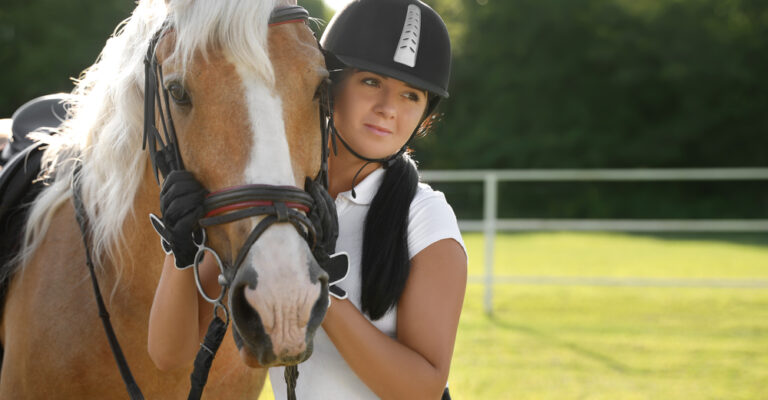
Positive Training for Horses: It’s Not Just About Treats

Rider wearing a certified equestrian helmet beside a chestnut horse in a bridle

IntroductionPositive reinforcement has gained popularity as a humane and effective training method for horses. Often, it’s associated with food rewards—especially treats. However, positive training goes far beyond handing out cookies. It’s a science-based approach that emphasizes clear communication, trust, and motivation, creating a cooperative relationship between horse and human. At its core, it’s about understanding … Read more

Tiny Lessons, Big Wins: Using Microlearning to Train Smarter

IntroductionHorse training and equine care are lifelong learning journeys—for both the animals and the people who work with them. From barn staff and trainers to riders and veterinarians, staying updated on best practices, safety procedures, and horse behavior is critical. Microlearning, a training approach that delivers focused, bite-sized content, is revolutionizing how equine professionals and … Read more

Horse Osteopathy: Gentle Techniques That Make a Difference

IntroductionHorse osteopathy is gaining traction in the equine world as a complementary therapy that focuses on gentle, hands-on techniques to support a horse’s physical and emotional well-being. Rooted in the principles of holistic health, osteopathy helps restore balance to the body by improving joint mobility, relieving muscle tension, and enhancing circulation. Whether used as a … Read more

Is Your Horse Sleeping Enough? Understanding Equine Rest

🐴 Why Equine Sleep Matters Just like humans, horses need adequate rest to maintain their health, mood, and performance. However, the sleep patterns of horses are quite different and often misunderstood. Horses are prey animals, and their sleep behavior has evolved to reflect this, resulting in short, strategic rest periods rather than long, uninterrupted sleep. … Read more

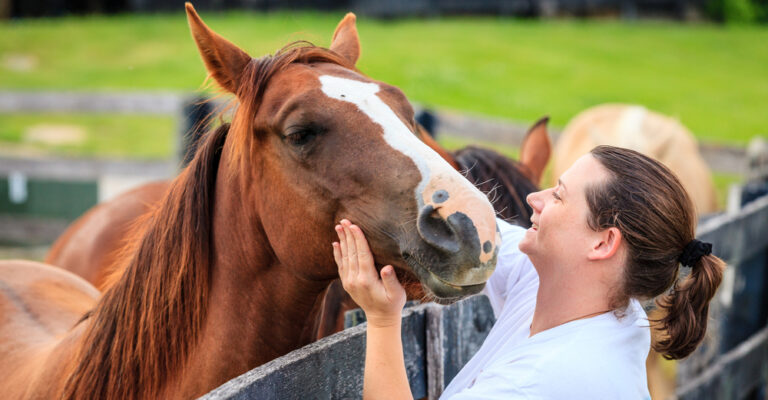
Can Horses Feel What We Feel? Exploring Emotional Mirroring

Horse and handler standing together in a stable environment

Exploring Emotional Mirroring Introduction For centuries, humans have sensed a unique emotional bond with horses. Riders and handlers often report that their horses seem to “read their minds” or mirror their moods. Modern research supports the idea that horses, as highly perceptive prey animals and social creatures, are capable of emotional mirroring, also known as … Read more

Recognizing Trauma in Horses—and What You Can Do to Help

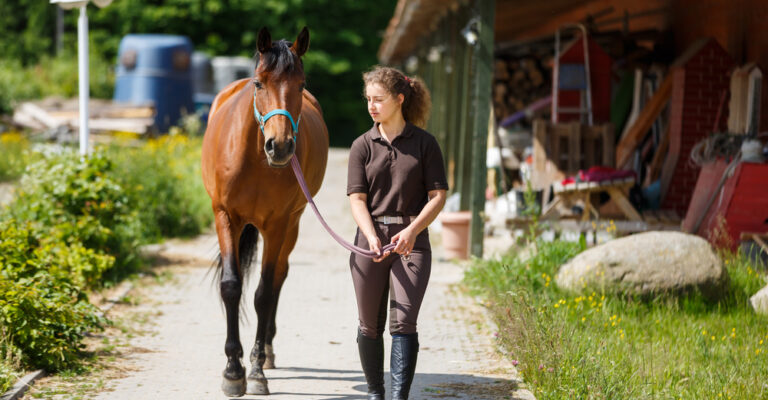
Bay horse being led along a farm path beside a stable

Introduction Horses, like humans, can experience trauma. Whether caused by abuse, neglect, accidents, or chronic stress, trauma can manifest in both physical and psychological ways. Recognizing the signs of trauma early and taking appropriate action can significantly improve a horse’s quality of life and restore trust and comfort. Understanding Trauma in Horses What Is Equine … Read more