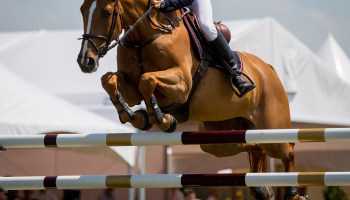
Do Dressage Saddles Make a Difference? A 2026 Fit Guide
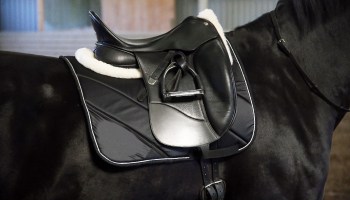
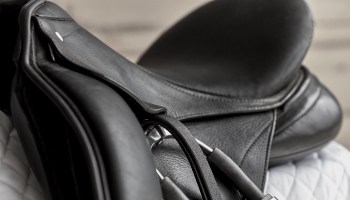
Dressage saddles support a longer, more vertical flatwork position, but fit matters more than depth or brand. Learn what changes, how to compare saddles, and when to call a fitter.
Everything about show jumping, dressage, eventing, and the athletes who compete in them.
Dressage saddles support a longer, more vertical flatwork position, but fit matters more than depth or brand. Learn what changes, how to compare saddles, and when to call a fitter.
Can Quarter Horses do eventing? Learn how individual soundness, fitness, jumping ability, temperament, and competition level matter more than breed stereotypes.
What should you wear for show jumping? This practical 2026 guide covers helmets, boots, breeches, jackets, gloves, body protectors, horse tack, and how to check current competition rules.
There is no universal age at which every horse should stop jumping. Learn how to assess soundness, fitness, pain, footing, workload, and retirement decisions for an individual horse.
Can Arabian horses do show jumping? Yes—some are capable jumping partners. Learn how soundness, balance, training, temperament, and workload determine suitability.
Can you jump in a bitless bridle? Learn how FEI and national rules may differ, what to check before competing, and how to introduce bitless tack safely.
Is dressage harder than jumping? Compare the precision, fitness, confidence, course-planning, and training demands of both disciplines, plus beginner guidance.
Why do showjumpers use draw reins? Learn what running reins do, when supervised flatwork may use them, why jumping rules vary, and how to avoid restrictive or unsafe use.
Yes, you can jump small fences in a dressage saddle, but saddle fit, rider balance, footing, and the horse’s comfort determine whether it is appropriate. Here is when it can work and when to use a jumping saddle instead.
Is show jumping cruel to horses? Learn how training, pain, footing, tack, workload, and rider choices affect equine welfare—and how to jump more responsibly.
A typical show-jumping course has about 8 to 12 numbered obstacles, but class rules, combinations, course design, and arena conditions determine the actual count and difficulty.
Can a one-eyed horse jump? Learn how veterinary assessment, confidence, training, course design, and welfare shape a safe decision for each horse.