
How Do Show-Jumping Horses Travel to Competitions? 2026 Travel Guide
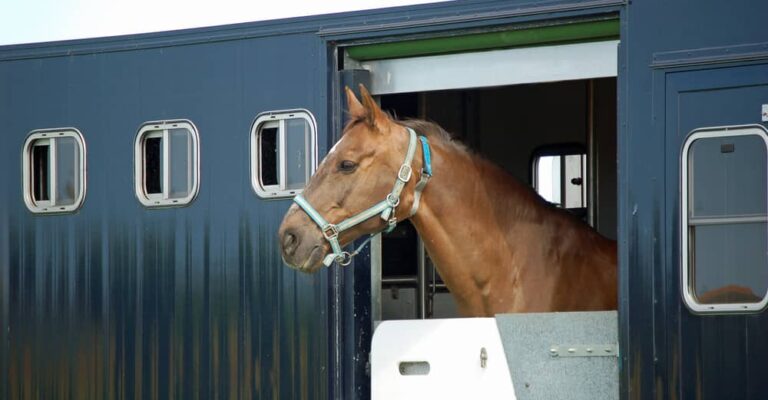
How show-jumping horses travel to competitions by road or air, what welfare and documentation checks matter, and how to plan a safer journey.
 Anrie Diedericks
I've been around horses since I was 6 years old and started competing at the age of 9. Horses are my greatest passion and I am thrilled to be able to share my 23 (and counting) years of experience and knowledge with you.
Anrie Diedericks
How show-jumping horses travel to competitions by road or air, what welfare and documentation checks matter, and how to plan a safer journey.
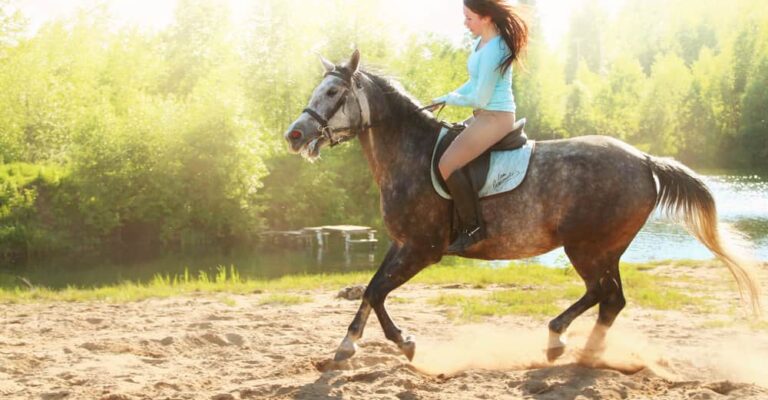
A horse’s carrying capacity depends on the whole load, soundness, fitness, conformation, saddle fit, rider balance, terrain, and duration. Learn how to use the 20% guideline cautiously and recognize discomfort.

Learn what essential oils may and may not do for horses, the risks of topical use or ingestion, and when veterinary guidance is essential.
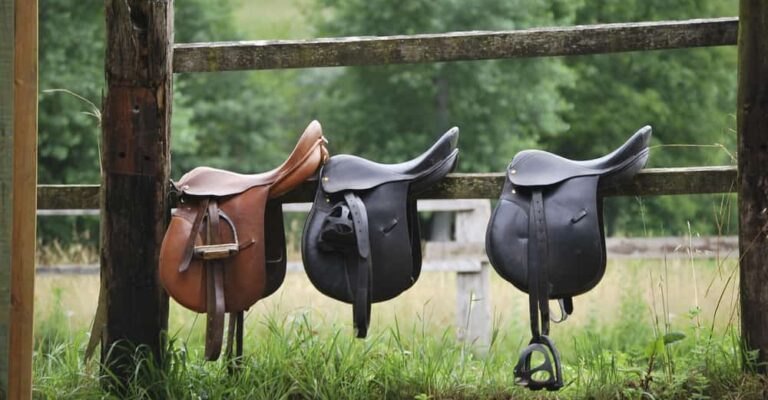
Compare vegan horse-riding equipment, including synthetic saddles, bridles, halters, boots, and stirrup leathers, with practical care, durability, and environmental trade-offs.
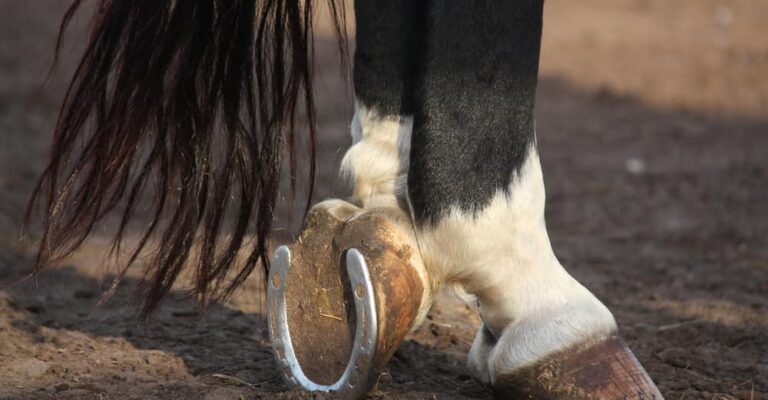
A horse that loses a shoe should usually come out of work until the hoof is checked. Learn what to do, when a hoof boot helps, and when to call your farrier or veterinarian.
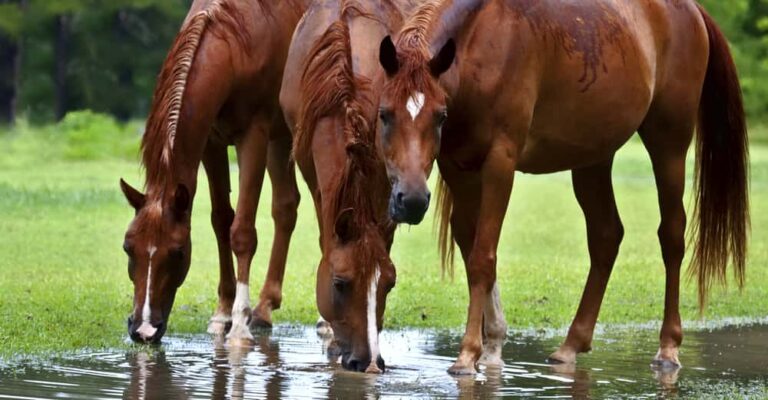
Collected rainwater can work for horses when the roof, tank, and trough are clean and protected from contamination. Learn safe collection, testing, storage, and warning signs.
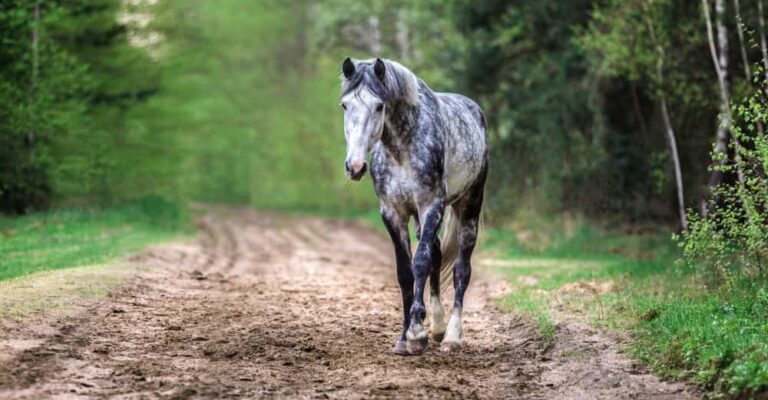
Whether it’s your busy schedule or your horse’s soundness that kept you from riding your horse, bringing your horse back into work after your horse has not been ridden for a long time can be a challenge. Horses are fine without being ridden at all. However, if your goal is to regularly compete in horse-riding events, … Read more
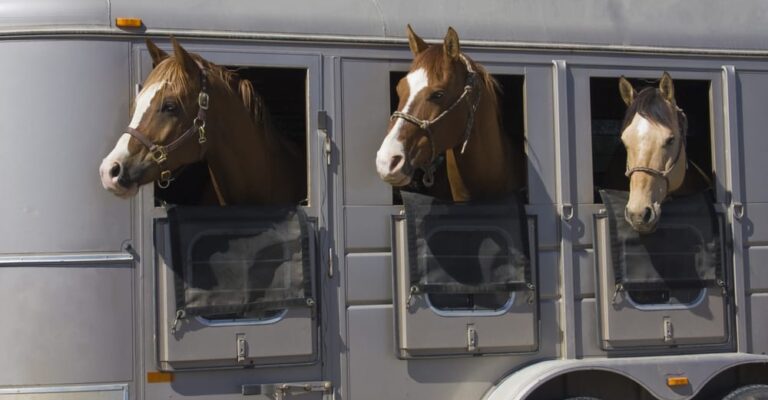
Can a horse stay in a trailer overnight? Learn how to manage ventilation, water, temperature, feeding, unloading, and emergency warning signs during an unavoidable delay.

Jockeys need to be light because race rules assign each horse a weight to carry. Learn how racing weights, equipment, weighing in, fitness and rider safety work across flat and jump racing.

Plan ahead for fireworks with a familiar routine, secure fencing, safe stable checks, veterinary guidance, and clear steps for injuries or escape.
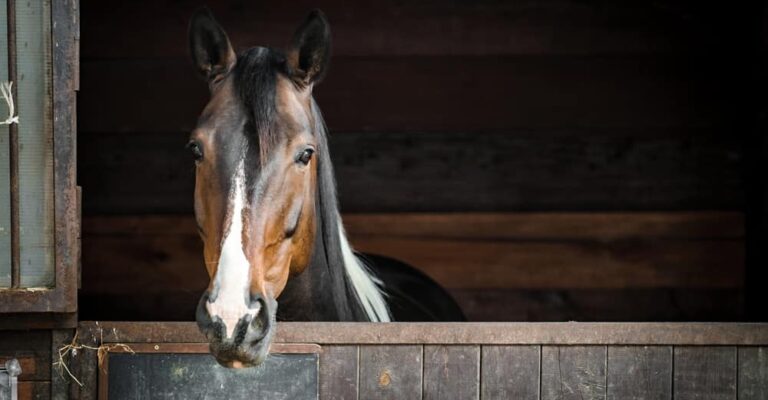
How long a horse can stay in a stable depends on health, turnout, forage, movement, ventilation, and individual welfare needs. Learn how to build a safe routine and when veterinary stall rest is appropriate.
Learn how to become a horse-riding instructor: build horsemanship skills, gain supervised teaching experience, choose a credible qualification, and plan a safe career.