
Affiliate disclosure: Some product links in this guide are Amazon Associate links. Equestrian Space may earn a commission if you purchase through them, at no additional cost to you.
In jumping, there are many different sub-disciplines that can be done. I have been doing Showjumping, hunter, eventing, and equitation for many years now, and I have struggled to find the right stirrups. Jumping adds a lot of stress to your ankles due to the weight you put into your stirrups while going over jumps, so it is important to find the right stirrups.
The best stirrups for jumping are the ones that provide ankle and knee support, shock absorption, and stability to the rider. The stirrup should be lightweight, ergonomic, non-slip, and safe. One of the most favored stirrups is the Acavallo Opera Stirrups due to them having these qualities. Top show jumping riders have their own preference when it comes to stirrups.
With so many stirrups available at your local tack shops or even online, how do you know which one to choose? Sometimes it might seem overwhelming, but I will break it down to make it easier for you to choose your stirrups. Everyone will have their own preference when it comes to stirrups. For example, I prefer a stirrup that provides ankle support as my ankles tend to hurt when I am jumping.
What Are Stirrups?
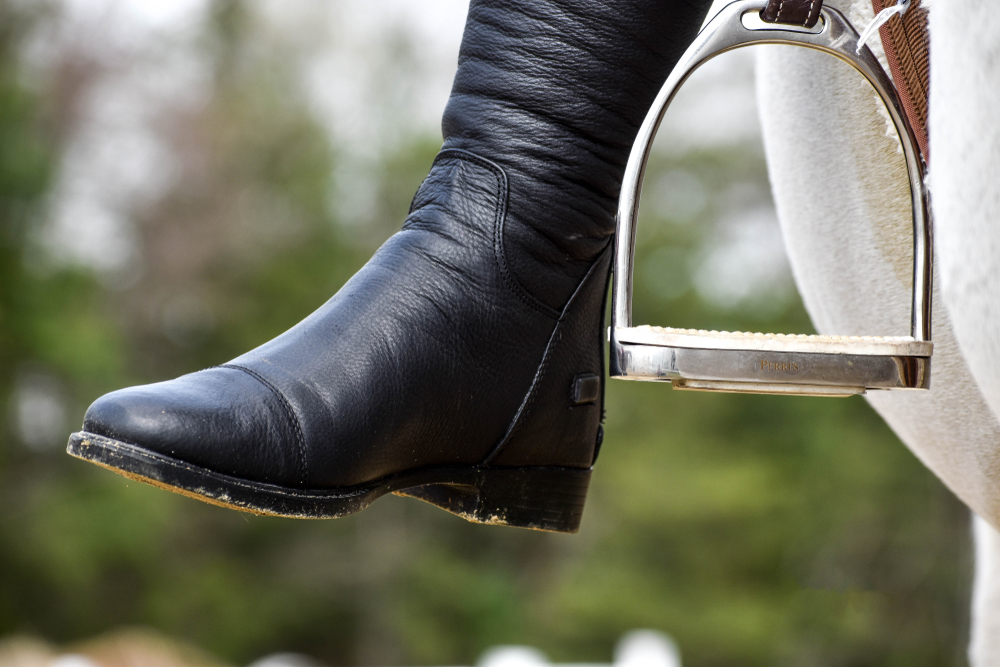
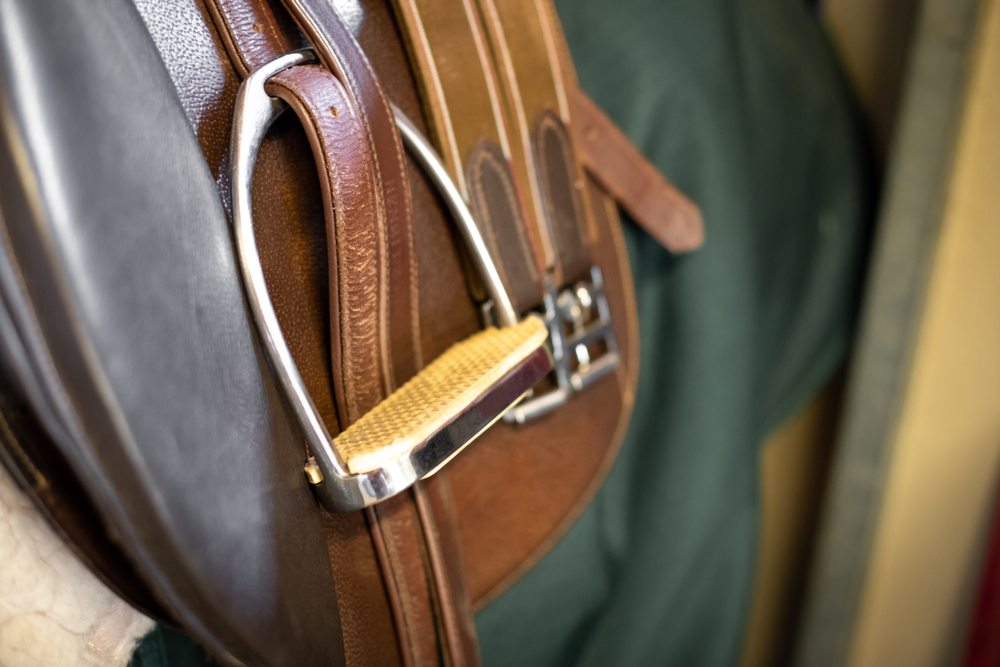
Stirrup irons are flat-bottomed rings that hang down from the saddle via the stirrup leathers—the stirrup leather loop through the stirrup bars placed under the rider’s thigh. The stirrups are there for the rider to place their feet in for more security and balance in the saddle. They are used to mount the horse, stabilize the rider and offer a base of support for the rider to stand in the stirrups over jumps and while going light seat.
Although they are called stirrup irons, they can be made from many different materials designed for any rider’s needs. They vary from the traditional style to the more modern, sleek, and performance-enhancing styles.
The type of stirrups that you choose is essential as they impact your riding position and efficiency in the saddle. The rider’s comfort is also affected by the stirrups are the stirrups provide support for the rider’s full weight over obstacles and galloping over long distances.
Modern stirrups are also designed with safety in mind. Many catastrophic injuries result from a rider’s foot getting stuck in the stirrup during an accident and the rider being dragged behind a horse.
The Different Disciplines
It is not only in show jumping that one jumps over obstacles. Jumping over obstacles started centuries ago when horses were first ridden. The riders and hordes would jump over natural obstacles that might have been in their paths while traveling, exploring, war or hunting. In the 19th century, jumping became an admired equestrian and horsemanship skill.
Mid-19th century, jumping was used to settle wagers, and this has evolved into competitions, and it could be seen at fairs and horse competitions. It became a large public interest to watch high a broad jumping. In the first recorded jumping competitions, the aim was to see who could jump the highest or the widest. Most jumpers were called Hunters for decades.
Late 19th century, the hunters and high jumpers started to separate. The high jumpers went over 7-foot fences in competitions, and hunters focussed on lower courses over longer distances.
Types of Stirrup Irons
When watching a jumping competition, you will see many different designs and styles of stirrup irons. Each rider will have their own favorite stirrups that they feel provide them with the most comfort, balance, and support while jumping.
Traditional Fillis Irons
Fillis is the most common and simple type of stirrups. These are cheap stirrups that are most commonly used in basic day-to-day riding. Fillis is made of stainless steel with a rubber pad at the bottom.
Peacock safety stirrups
The peacock stirrups have the same design are the traditional fillis, but they have a quick-release mechanism for safety measures. The quick-release rubber sits on the outer-most part of the foot and is, therefore, in case the rider falls off. The rubber snaps off and allows the rider’s foot to slide out of the side of the stirrup so that they do not get stuck.
These stirrups are more commonly used in riding schools and competitions where falls are more frequent.
Flexi stirrups
Flexi stirrup irons are another variation from the fillis. The sides of the stirrups are pliable and bendable to allow more movement with the rider. When the rider steps down into their heels, the flexi irons bend to allow the rider’s ankle to move down and allow for more comfort. If you struggle with joint pain or stretching your ankles down, I would not recommend these stirrups as I have found that these increase my pain due to the overloading on my ankles when jumping.
These stirrups are more suitable for dressage because of the flexibility and movement they allow for.
Composite
Composite stirrups are made of polymer material, aluminum, or titanium to make the stirrup more lightweight. Composite stirrups provide a wider base that has non-slip soles. These types of stirrups can provide more support for the rider’s ankles and knees. These types of stirrups come in many types of styles and shapes that the rider can choose from. Jumpers often favor lightweight stirrups with non-slip threads.
Top Five Stirrups for Jumping
Acavallo Opera Stirrups
A newer concept of stirrups but an overall favorite. The patented loop for the stirrup leather allows the stirrup to adhere to the saddle, causing a correct and comfortable leg position. The tread or base is wide and has enough grip for security. The tension on the ankles, knees, and hips is lessened due to the design; It is a composite material with stainless steel on the inside for ultimate strength.

FreeJump stirrups
My personal favorite, the free jump stirrups, are super lightweight with a broad, non-slip base that provides enough support for my ankles not to get sore. The outer brand of the stirrup is flexible to add to safety. The base is also on an incline to accommodate the rider’s heels to stay down without adding the necessary strain. The non-slip base helps the rider not lose their stirrups over jumps.

Lorenzini Titanium Stirrups
The Lorenzini stirrups are lightweight and ergonomically designed. The design also allows for the rider’s foot to slip out in case of an accident. The base is wide and non-slip, which also makes it great for jumping and support.
Korsteel Aluminium Stirrups
Another favorite of mine, these stirrups are made of Aluminium. They are lightweight, non-slip, and comfortable. They come in different colors as well – Hello matchy-matchy! The tread is high-traction and wide for ultimate comfort.
Royal Rider Flexible Stirrups
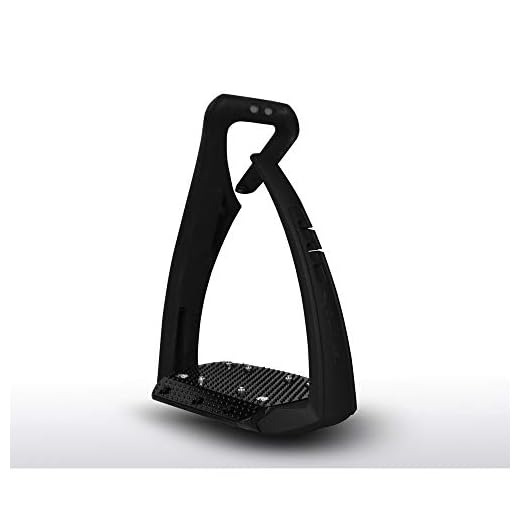
Royal rider stirrups are flexible stirrups with a stiffer flex to provide a bit more comfort and less strain on the ankles. They are polymer composite stirrups and are thus super lightweight. These stirrups also provide shock absorption for the higher jumping classes.

Conclusion
The rider will have to go through trial and error when it comes to choosing their favorite stirrups. The stirrups will greatly affect the rider’s position, comfort, stability, and overall enjoyment of their ride. There are many styles, models, and colors to choose from, and it will ultimately come down to preference and the price that the rider can pay for their stirrups.
Sources and Further Reading
https://horsenetwork.com/2020/12/the-essential-history-of-show-jumping/
https://horserookie.com/best-stirrups-for-jumping/
https://equineigh.com/best-stirrups/
https://www.acavallo.com/ac_product/opera-stirrup/
https://thehaybarn.wordpress.com/2017/09/10/high-end-jumping-stirrups/
Related Guides
If you found this helpful, these related articles cover more ground:
- Which Stirrups are Best for Dressage?
- Best Stirrups for Knee and Ankle Pain (2026 Guide)
- How to Choose the Right Stirrups: A 2026 Guide
How to Choose Show-Jumping Stirrups Safely
Start with safety and fit rather than brand or appearance. The foot should sit securely on a tread that is wide enough for your boot, but it must still be able to leave the stirrup if you fall. Wear purpose-made riding footwear with a defined, smooth-edged heel; bulky soles or deep hiking-style tread can increase the chance of the foot catching. Check the stirrup leather, bar, tread, release mechanism, and attachment points before every ride.
A safety stirrup can reduce entrapment risk, but no design replaces correct adjustment and regular inspection. Set the stirrup length for the discipline and the rider’s position, confirm both sides are even, and make sure the iron hangs freely from the stirrup bar. Replace worn rubber bands, bent irons, loose treads, damaged leathers, or any component that does not release or move as intended. Competition rules can differ, so check the current rules for the organization and class before competing.
Frequently Asked Questions
What are the best stirrups for show jumping?
The best stirrups are the ones that fit the rider’s boot, provide dependable grip without trapping the foot, and support a balanced lower leg. Wide or shock-absorbing treads may help some riders, while others prefer a traditional iron. Comfort claims are individual; test a design at home or in lessons before relying on it in competition.
Are flexible stirrups safer?
Not automatically. Flex or shock-absorbing features may change how the tread feels under load, but safety depends on the complete design, correct fit, maintenance, and whether the rider can exit the iron in a fall. Follow the manufacturer’s inspection instructions and ask a qualified instructor or clinician if pain persists.
How should stirrups be checked before jumping?
Check that the leathers are correctly attached, the irons are undamaged, the tread is secure and clean, and any release mechanism or elastic side is intact. Confirm the foot can slide out and that the iron hangs freely. Do the same check after a fall or hard impact, even if no damage is obvious.
What footwear should be worn with jumping stirrups?
Wear riding boots or suitable riding shoes with a defined heel and a sole that will not easily catch in the iron. The British Horse Society warns that trainers and some heavily treaded yard boots are unsuitable because they can become caught. Footwear should also fit securely and be appropriate for the riding environment.
Current Safety References
FEI Jumping Tack and Equipment Requirements (2026)
The British Horse Society: Footwear and Boots

Written by
I've been around horses since I was 6 years old and started competing at the age of 9. Horses are my greatest passion and I am thrilled to be able to share my 23 (and counting) years of experience and knowledge with you.