
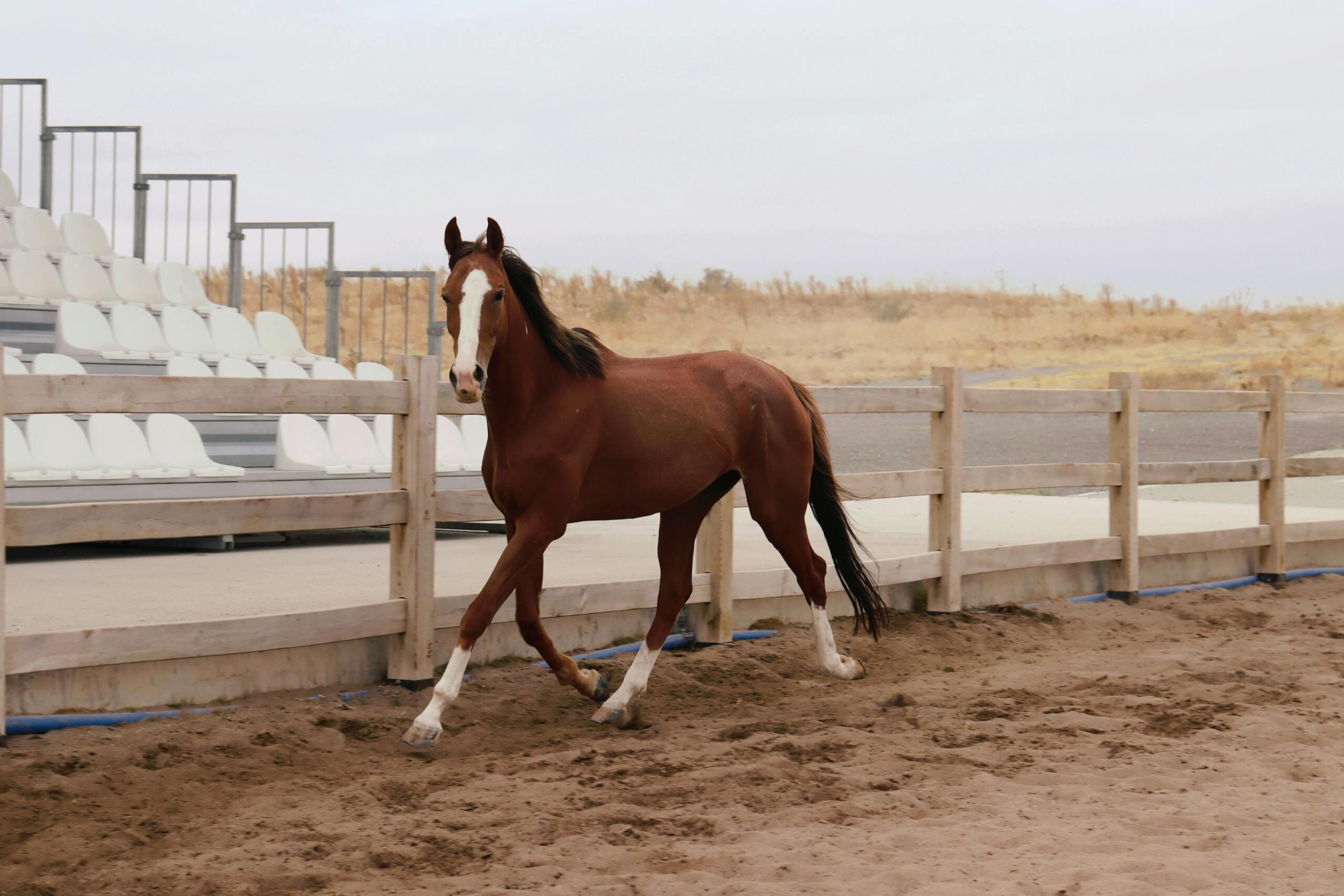
Horses appear in mythology not because every culture gave them the same meaning, but because people repeatedly encountered the animal as a source of transport, labor, wealth, warfare, ceremony, and companionship. That practical importance made the horse a powerful symbol—but the symbol changes from one tradition and historical period to another.
Why horses became powerful mythic symbols
Across many traditions, horses are associated with movement between places or states: journeys, battle, the sun, the afterlife, divine messages, and personal transformation. Those themes should be treated as recurring patterns, not as proof that all cultures viewed horses identically. Myths are living cultural traditions, and a short article cannot represent every community or regional variation.
Famous horses and horse figures in world mythology
Pegasus and the Greek tradition
Pegasus is the winged horse of Greek mythology. Classical accounts connect his birth with Medusa and describe the hero Bellerophon riding him against the Chimera. Pegasus later became associated with poetic inspiration and the heavens. The Trojan Horse is a different Greek myth: it is a constructed wooden horse used as a military deception, not a supernatural animal.
Sleipnir in Norse mythology
Sleipnir, Odin’s eight-legged horse, is described as the swiftest of horses and a traveler across boundaries. His unusual body expresses extraordinary capability, while his connection to Odin places him within stories about gods, death, knowledge, and movement between worlds.
Epona and Celtic horse traditions
Epona was a widely honored horse goddess in the Celtic and Gallo-Roman world. Inscriptions and surviving sculptures connect her with horses, fertility, protection, and travel. Her importance also shows why “horse mythology” is not limited to monsters and winged creatures: the horse could be a sacred working companion and a protector of people who depended on travel.
Horse imagery in South Asian traditions
South Asian traditions contain several important horse-related figures, including Hayagriva, a horse-headed form associated with knowledge in some Hindu traditions, and the Ashvins, divine horsemen associated with healing and dawn. These stories belong to religious traditions with their own texts, regional practices, and interpretations; they should not be reduced to a single generic idea of “horse worship.”
China’s longma and the zodiac Horse
The longma, or dragon-horse, is a legendary creature combining dragon and horse imagery. The Horse is also one of the twelve animals in the Chinese zodiac, where it is commonly associated with energy, independence, and forward movement. Zodiac meanings vary by interpretive system and should not be treated as personality tests.
Buraq in Islamic tradition
Al-Buraq is the mount described in Islamic tradition in connection with the Prophet Muhammad’s Night Journey. Representations and descriptions vary across sources and artistic periods. It is important to describe the figure respectfully and avoid treating a sacred tradition as merely a fantasy “horse legend.”
Kelpies and other European folklore
The Scottish kelpie is a water-being that can take the form of a horse and lure people toward danger. Stories of magical, talking, or prophetic horses also appear throughout European folklore. In these tales, the horse may be a guide, helper, deceiver, or warning about an unsafe landscape.
Horse symbolism in folklore is shaped by real life
Mythic meaning often grows from practical experience. A horse can carry a person farther than they can walk, change the outcome of a battle, connect distant communities, and require skilled care. That combination of power and dependence helps explain why horses may symbolize freedom in one story, status or wealth in another, and danger or supernatural uncertainty in a third.
Stories involving Indigenous peoples of North America need particular care. Horses were introduced to the Americas after European contact, then became deeply important in many Native communities in different ways and at different times. There is no single “Native American horse belief”; responsible writing should name a nation or source rather than flattening many cultures into one category.
What these myths can teach modern horse owners
Mythology is not a substitute for equine science or welfare guidance. Its value is cultural: it shows how people have understood the horse’s speed, strength, sensitivity, and relationship with humans. Modern owners can appreciate that history while still grounding everyday care in sound nutrition, safe handling, veterinary advice, appropriate footing, and the individual horse’s needs.
Frequently asked questions
What is the most famous mythical horse?
Pegasus is probably the best-known mythical horse in popular culture, but Sleipnir, Epona, the kelpie, longma, and al-Buraq are also important figures in specific religious or cultural traditions.
Why are horses common in mythology?
Horses historically shaped travel, agriculture, warfare, trade, ceremony, and social status. Their real-world importance made them natural symbols of movement, power, protection, and transformation.
Are Pegasus and the Trojan Horse the same story?
No. Pegasus is a supernatural winged horse associated with Bellerophon. The Trojan Horse is a wooden military device in the Greek story of the Trojan War.
Did every culture see horses as sacred?
No. Horses have been honored, feared, used, traded, depicted as status symbols, and treated as practical working animals. Meanings depend on the culture, period, source, and community.
Sources and further reading
- Encyclopaedia Britannica: Pegasus
- Encyclopaedia Britannica: Sleipnir
- Encyclopaedia Britannica: Rhiannon and Epona
- Encyclopaedia Britannica: Trojan Horse
Related Guides
If you found this helpful, these related articles cover more ground:
- Horses in Cinema: The Evolution of Equines in Film and TV
- How to Build Mental Resilience in Competitive Horses
- The Crucial Role of Regular Exercise in Maintaining Horse Health
- Can Arabian Horses Barrel Race?
- Horses as Healers: Cultural and Spiritual Roles Across the Globe

Written by
Phoebe writes about horse care, health, and behavior for Equestrian Space, blending hands-on stable experience with up-to-date veterinary guidance.