
Is Dressage Harder Than Jumping? A 2026 Comparison Guide

Is dressage harder than jumping? Compare the precision, fitness, confidence, course-planning, and training demands of both disciplines, plus beginner guidance.
Practical horse care, facility management, and riding knowledge — written for owners who want to do right by their horses.
Explore the BlogShop Horse Mats
Is dressage harder than jumping? Compare the precision, fitness, confidence, course-planning, and training demands of both disciplines, plus beginner guidance.
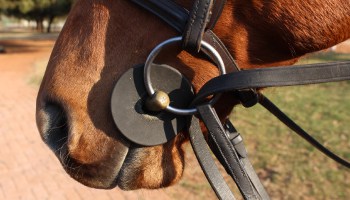
Why do showjumpers use draw reins? Learn what running reins do, when supervised flatwork may use them, why jumping rules vary, and how to avoid restrictive or unsafe use.
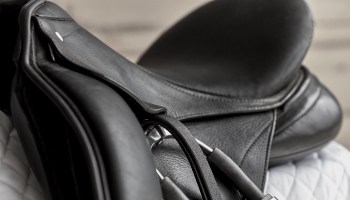
Yes, you can jump small fences in a dressage saddle, but saddle fit, rider balance, footing, and the horse’s comfort determine whether it is appropriate. Here is when it can work and when to use a jumping saddle instead.

Is show jumping cruel to horses? Learn how training, pain, footing, tack, workload, and rider choices affect equine welfare—and how to jump more responsibly.
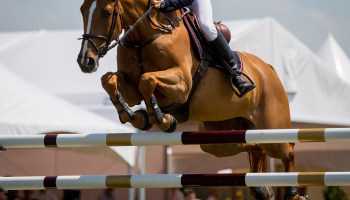
A typical show-jumping course has about 8 to 12 numbered obstacles, but class rules, combinations, course design, and arena conditions determine the actual count and difficulty.
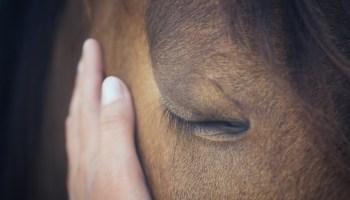
Can a one-eyed horse jump? Learn how veterinary assessment, confidence, training, course design, and welfare shape a safe decision for each horse.

Show jumping costs vary by training, boarding, horse care, equipment, and competition travel. This 2026 guide explains the recurring and occasional expenses to budget before you buy or compete.
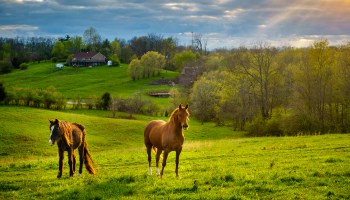
How much land does a horse need? Learn how pasture quality, climate, rotation, horse size, hay, and sacrifice areas change the practical acreage plan.
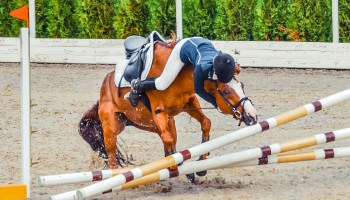
Understand 16 common show-jumping hazards—from refusals and slippery footing to tack failure and falls—and practical ways to reduce risk in training and competition.
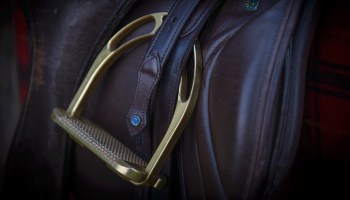
Compare stirrups for jumping, dressage, trail riding, beginners, and riders with knee or ankle discomfort. Learn how to choose the right size, safety features, footbed, and fit.
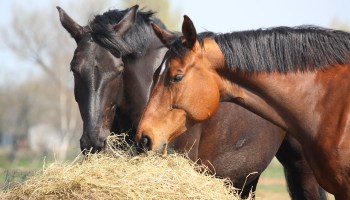
Horses can often get most calories and fiber from good forage, but hay or grass alone may not meet every horse’s mineral, vitamin, protein, or energy need. Learn how to assess forage safely.
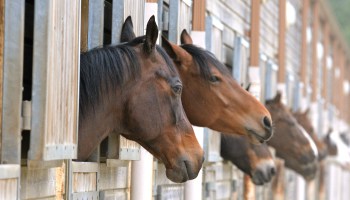
Are horses happy in stables? Learn how turnout, forage, social contact, ventilation, movement, bedding, and safe stall flooring affect equine welfare—and how to spot when a horse is not coping.