Back to top

Caring for Your Horse

Daily care, health, feeding, and welfare guidance for horse owners.

Collecting Rainwater for Your Barn: Eco-Friendly and Efficient

White and black-spotted horse moving through a lake

IntroductionWater is a critical resource in maintaining a healthy and functional barn environment, whether for cleaning, livestock hydration, or irrigation. However, relying solely on municipal water or wells can be expensive and unsustainable—especially in rural or drought-prone areas. Collecting rainwater is a practical, eco-friendly solution that helps conserve resources, reduce water bills, and ensure a … Read more

Fire Safety in the Stable: Plans Every Barn Should Have

IntroductionFire is one of the most devastating threats a barn can face. In just minutes, flames can engulf a stable, endangering the lives of horses, people, and property. Unlike humans, horses can panic and become difficult to rescue during a fire, making prevention and planning absolutely essential. A comprehensive fire safety plan not only protects … Read more

Pasture Rotation 101: Greener Grass and Healthier Horses

IntroductionPasture rotation is a time-tested grazing strategy that promotes healthier horses and more productive, sustainable pastures. By dividing grazing areas into sections and systematically moving horses between them, owners can prevent overgrazing, allow forage to recover, and improve soil health. Whether you’re managing a small paddock or a large farm, understanding and implementing pasture rotation … Read more

Keeping Senior Competition Horses Fit and Focused

IntroductionAs horses age, maintaining their athletic performance becomes both a science and an art. Senior competition horses—often the most experienced and well-trained—require a finely tuned approach to keep them physically fit and mentally engaged. Whether competing in dressage, show jumping, eventing, or other equine sports, the key to longevity in performance lies in proactive care, … Read more

Managing Equine Metabolic Syndrome: Practical Tips for Owners

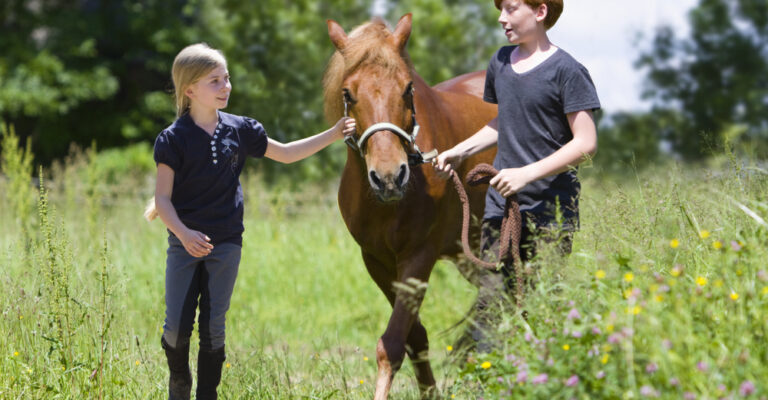
Chestnut horse being led through a grassy field by two children

IntroductionEquine Metabolic Syndrome (EMS) is a common and complex health condition in horses that affects their metabolism and hormone regulation. Characterized by insulin resistance, abnormal fat deposits, and an increased risk of laminitis, EMS can significantly impact a horse’s well-being if not properly managed. Fortunately, with a solid understanding of the condition and a proactive … Read more

What Genetic Testing Can Tell You About Your Horse’s Health

Introduction Genetic testing has become an essential tool in modern equine healthcare and breeding. By analyzing a horse’s DNA, owners, breeders, and veterinarians can uncover vital information about inherited diseases, performance traits, physical characteristics, and ancestry. Early knowledge of genetic predispositions can prevent health problems, guide responsible breeding decisions, and promote the overall welfare of … Read more

Acupuncture for Horses: Ancient Wisdom Meets Modern Care

Horse drinking water during a calm handling interaction

Ancient Wisdom Meets Modern Care Introduction Acupuncture, a key component of Traditional Chinese Medicine (TCM), dates back over 3,000 years. Originally developed for human health, acupuncture has found a valuable place in modern equine veterinary care. The practice involves inserting thin needles into specific points on the horse’s body to stimulate healing responses and balance … Read more

Why Play Matters: Encouraging Healthy Behavior in Young Horses

Why Play Matters: Encouraging Healthy Behavior in Young Horses Introduction Play is a vital part of development in young horses. It promotes physical fitness, social bonding, cognitive growth, and emotional resilience. Observing and encouraging healthy play behavior in foals and young horses is one of the best investments caretakers can make for their long-term well-being … Read more

Advancements in Stem Cell Therapy for Horses

What Is Stem Cell Therapy? Stem cells are the body’s master cells—capable of transforming into specialized cells like muscle, bone, tendon, or cartilage. In equine therapy, stem cells are typically harvested from the horse’s: Bone marrow Adipose (fat) tissue Umbilical cord blood (for donor-based treatments) Once collected, the cells are processed and then injected directly … Read more

Understanding Equine Allergies: Causes, Symptoms, and Solutions

Horse dental chart comparing tooth changes from about 1 to 15 years

Gums check up for Hydration What Are Equine Allergies? An allergy is an overreaction of the immune system to a substance (called an allergen) that’s normally harmless. In horses, this response can trigger symptoms that range from mild irritation to more serious respiratory or skin issues. Common Causes of Allergies in Horses Allergies can be … Read more

Uncovering Rare Horse Breeds: Preserving Endangered Equines

Horses have been companions to humans for thousands of years, serving as transportation, laborers, and companions in various cultures. However, many horse breeds are now at risk of extinction due to declining populations and changes in agricultural practices. Efforts to preserve these rare equines are crucial in maintaining genetic diversity, cultural heritage, and the unique … Read more