Back to top

Phoebe Mahayag

Phoebe writes about horse care, health, and behavior for Equestrian Space, blending hands-on stable experience with up-to-date veterinary guidance.

Equine Dentistry Demystified: Beyond the Float
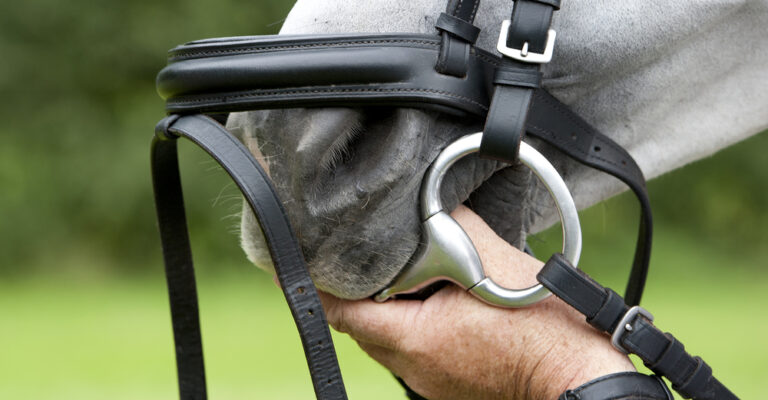
Bit fitter checking a horse’s bridle and mouthpiece

IntroductionWhen people think of equine dentistry, the first thing that often comes to mind is “floating the teeth.” While floating is an important part of dental care, it’s only one piece of a much larger picture. Equine dentistry plays a critical role in a horse’s overall health, comfort, performance, and longevity. Understanding what lies beyond … Read more
The Hidden Effects of Isolation: Why Social Contact Matters for Stabled Horses

IntroductionHorses are inherently social animals, shaped by evolution to live in herds where constant interaction provides safety, stimulation, and emotional balance. Despite this, many modern management systems rely on stabling horses individually for convenience, training, or medical reasons. While stabling can offer protection and controlled care, prolonged isolation can have hidden physical, psychological, and behavioral … Read more

Rethinking “Natural Horsemanship”: Myth, Marketing, or Mindfulness?

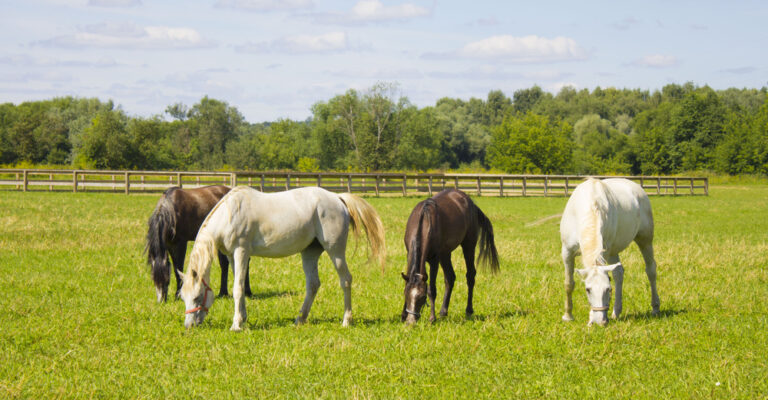
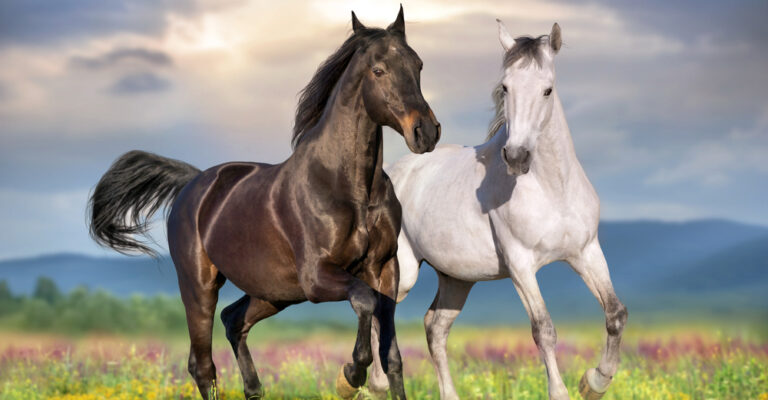
Dark and white horses walking through a flowered field

Introduction“Natural Horsemanship” has become a buzzword in the equestrian world, often promising a gentle, intuitive approach to horse training that emphasizes partnership over domination. From clinics and books to social media influencers, the concept has grown into a massive industry. But beneath the appealing label, questions arise: is natural horsemanship a proven training method, a … Read more

The Silent Struggle: Gastric Ulcers in Performance Horses

IntroductionGastric ulcers are a common yet often overlooked issue affecting performance horses. Despite their athletic prowess, many horses silently struggle with discomfort, reduced appetite, and inconsistent performance due to ulcers in the stomach lining. Understanding the causes, symptoms, and management strategies is essential for horse owners, trainers, and veterinarians to safeguard equine health and optimize … Read more

The Art of Timing: Communication as a Dance, Not a Demand

IntroductionCommunication plays a central role in every relationship—personal, professional, and everything in between. But too often, people approach communication as a task to complete or a demand to be met. In reality, effective communication is less like a checklist and more like a dance. It requires timing, rhythm, mutual awareness, and a willingness to move … Read more

Building Confidence in Nervous Horses Without Force

IntroductionHelping a nervous horse gain confidence is one of the most rewarding parts of horsemanship. Unlike methods that rely on fear or dominance, confidence-building focuses on patience, communication, and trust. Horses are prey animals by nature, so anxiety often stems from misunderstanding, past trauma, or lack of positive exposure. Through thoughtful, force-free techniques, owners and … Read more

Emotion in Motion: How Horses Mirror Human Feelings

IntroductionHorses have long been admired not only for their beauty and strength but also for their remarkable sensitivity to human emotion. Whether in the arena, on the trail, or simply during quiet moments in the barn, horses respond to human feelings in ways that are both intuitive and deeply moving. This emotional attunement allows them … Read more

The Cognitive Horse: Exploring Equine Problem-Solving and Intelligence

IntroductionHorses have long been admired for their strength, grace, and emotional sensitivity—but their intelligence is an equally fascinating aspect that often goes unnoticed. Recent studies in equine cognition reveal that horses are far more than instinct-driven animals. They demonstrate problem-solving skills, emotional awareness, memory, and even the ability to understand human cues. Exploring how horses … Read more

The Future of Feed: Insects, Algae, and Alternative Protein Sources

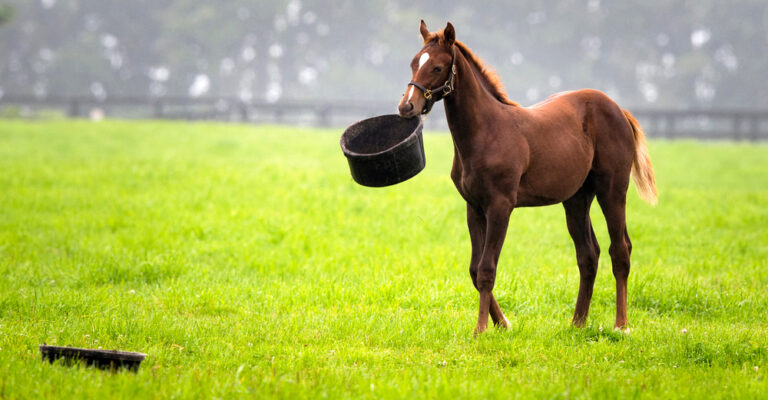
Foal investigating food in a pasture

IntroductionThe global demand for sustainable, nutritious, and cost-effective animal feed is rapidly increasing. As traditional feed ingredients like soy and fishmeal face rising prices, environmental concerns, and supply instability, the search for innovative alternatives has become a top priority in agriculture and aquaculture. This shift has opened the door to a new era of feed … Read more

Regenerative Grazing: Can Horses Help Heal the Land?

IntroductionRegenerative grazing is gaining attention as a sustainable land-management practice that restores soil health, increases biodiversity, and supports resilient ecosystems. While cattle are commonly associated with regenerative systems, horse owners are beginning to ask an important question: Can horses also help heal the land? With intentional management, the answer is yes. Horses can play a … Read more