Back to top

Phoebe Mahayag

Phoebe writes about horse care, health, and behavior for Equestrian Space, blending hands-on stable experience with up-to-date veterinary guidance.

Fire Safety in the Stable: Plans Every Barn Should Have

IntroductionFire is one of the most devastating threats a barn can face. In just minutes, flames can engulf a stable, endangering the lives of horses, people, and property. Unlike humans, horses can panic and become difficult to rescue during a fire, making prevention and planning absolutely essential. A comprehensive fire safety plan not only protects … Read more

Pasture Rotation 101: Greener Grass and Healthier Horses

IntroductionPasture rotation is a time-tested grazing strategy that promotes healthier horses and more productive, sustainable pastures. By dividing grazing areas into sections and systematically moving horses between them, owners can prevent overgrazing, allow forage to recover, and improve soil health. Whether you’re managing a small paddock or a large farm, understanding and implementing pasture rotation … Read more

Keeping Senior Competition Horses Fit and Focused

IntroductionAs horses age, maintaining their athletic performance becomes both a science and an art. Senior competition horses—often the most experienced and well-trained—require a finely tuned approach to keep them physically fit and mentally engaged. Whether competing in dressage, show jumping, eventing, or other equine sports, the key to longevity in performance lies in proactive care, … Read more

How Rider Balance Affects Your Horse’s Movement

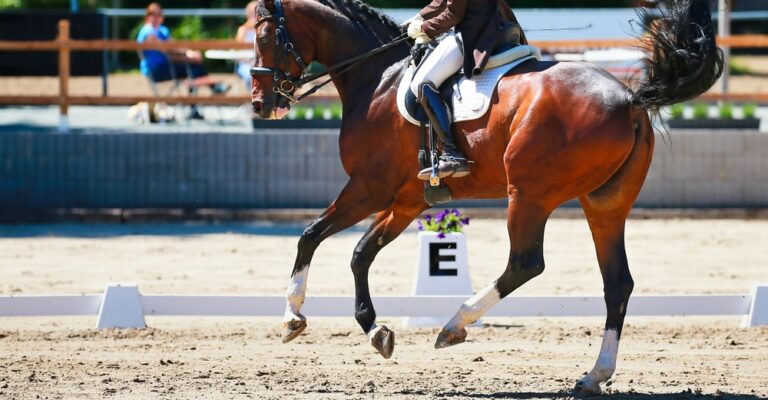
Horse and rider practicing a balanced sitting trot in an arena

IntroductionRider balance plays a critical role in equine performance and health. Whether you’re a competitive rider, a casual trail enthusiast, or training young horses, your ability to maintain proper posture and balance directly influences your horse’s comfort, coordination, and overall movement. Understanding how rider biomechanics interact with equine motion is essential to developing a more … Read more

Building Strength and Flexibility in Dressage Horses

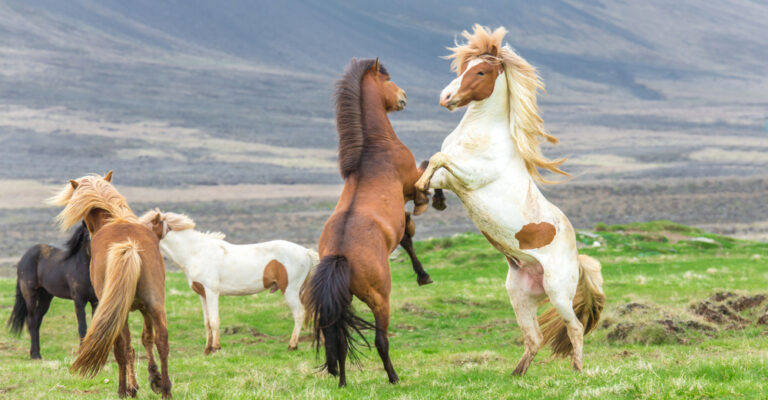
A group of long-maned horses, including a rearing pinto, grazing in a green field beneath mountains

IntroductionDressage is a discipline that demands both strength and suppleness from horses. To execute fluid movements, transitions, and precise patterns, a dressage horse must develop physical power and flexibility over time. These qualities not only enhance performance but also protect the horse from injuries, support long-term soundness, and promote overall well-being. A thoughtful training plan … Read more

Positive Training for Horses: It’s Not Just About Treats

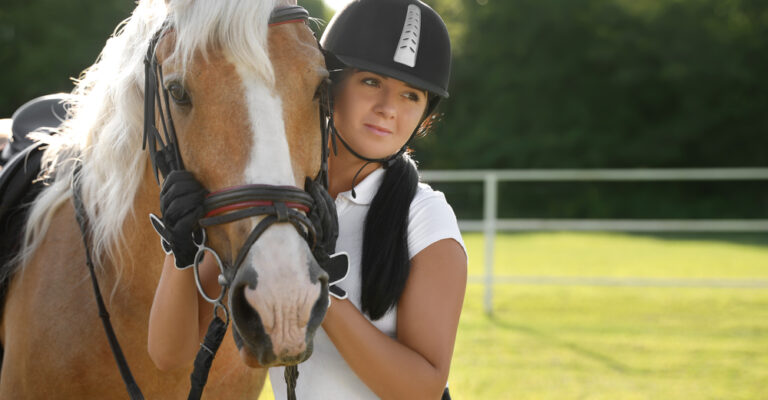
Rider wearing a certified equestrian helmet beside a chestnut horse in a bridle

IntroductionPositive reinforcement has gained popularity as a humane and effective training method for horses. Often, it’s associated with food rewards—especially treats. However, positive training goes far beyond handing out cookies. It’s a science-based approach that emphasizes clear communication, trust, and motivation, creating a cooperative relationship between horse and human. At its core, it’s about understanding … Read more

Tiny Lessons, Big Wins: Using Microlearning to Train Smarter

IntroductionHorse training and equine care are lifelong learning journeys—for both the animals and the people who work with them. From barn staff and trainers to riders and veterinarians, staying updated on best practices, safety procedures, and horse behavior is critical. Microlearning, a training approach that delivers focused, bite-sized content, is revolutionizing how equine professionals and … Read more

Horse Osteopathy: Gentle Techniques That Make a Difference

IntroductionHorse osteopathy is gaining traction in the equine world as a complementary therapy that focuses on gentle, hands-on techniques to support a horse’s physical and emotional well-being. Rooted in the principles of holistic health, osteopathy helps restore balance to the body by improving joint mobility, relieving muscle tension, and enhancing circulation. Whether used as a … Read more

Managing Equine Metabolic Syndrome: Practical Tips for Owners

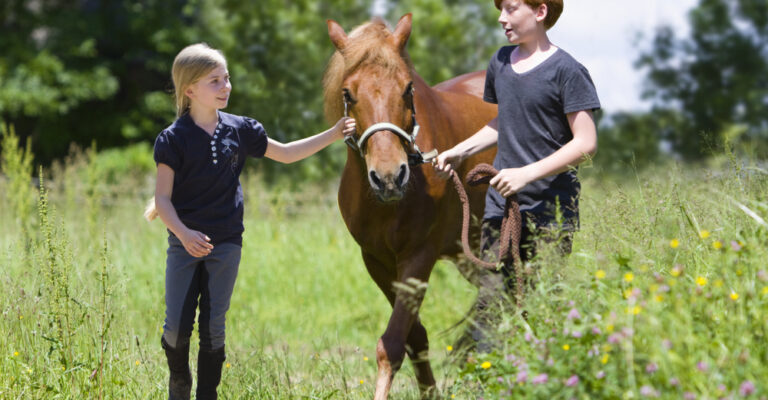
Chestnut horse being led through a grassy field by two children

IntroductionEquine Metabolic Syndrome (EMS) is a common and complex health condition in horses that affects their metabolism and hormone regulation. Characterized by insulin resistance, abnormal fat deposits, and an increased risk of laminitis, EMS can significantly impact a horse’s well-being if not properly managed. Fortunately, with a solid understanding of the condition and a proactive … Read more

Is Your Horse Sleeping Enough? Understanding Equine Rest

🐴 Why Equine Sleep Matters Just like humans, horses need adequate rest to maintain their health, mood, and performance. However, the sleep patterns of horses are quite different and often misunderstood. Horses are prey animals, and their sleep behavior has evolved to reflect this, resulting in short, strategic rest periods rather than long, uninterrupted sleep. … Read more