Back to top

Phoebe Mahayag

Phoebe writes about horse care, health, and behavior for Equestrian Space, blending hands-on stable experience with up-to-date veterinary guidance.

What Horses Teach Us About Leadership and Trust
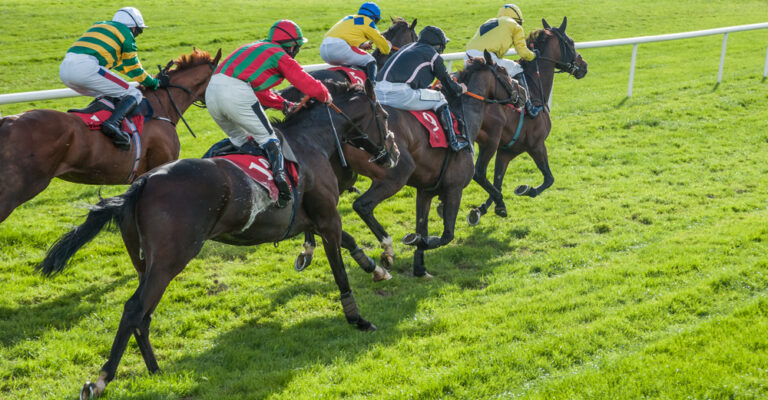
Racehorses sprinting toward the finish line

IntroductionHorses are more than magnificent animals—they are keen observers, master communicators, and honest mirrors of human behavior. Working with horses provides unique lessons in leadership and trust that go beyond traditional training methods. Because they are prey animals, horses are acutely sensitive to body language, energy, and intention. They respond not to titles or commands, … Read more
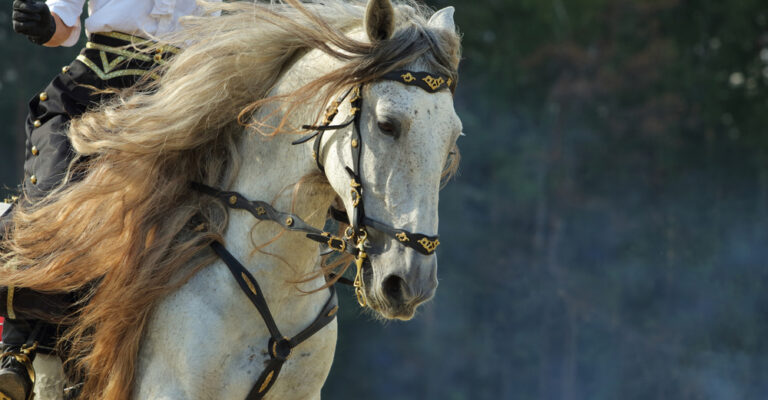
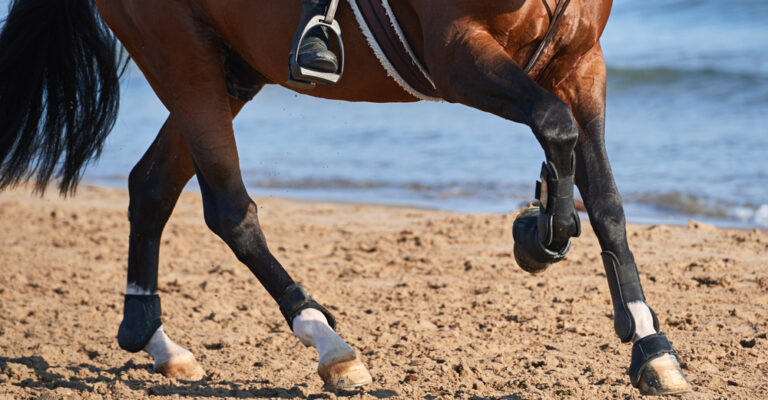
How Music Affects Horses: Soothing Sounds for Stable Life

IntroductionMusic has long been celebrated for its ability to calm, inspire, and energize humans — but its influence is not limited to people. Horses, with their sensitive hearing and strong emotional awareness, can also respond to music in remarkable ways. Whether in a stable, training arena, or transport setting, the right sounds can reduce stress, … Read more

The Microbiome of the Horse Gut: What’s Living Inside Your Horse?

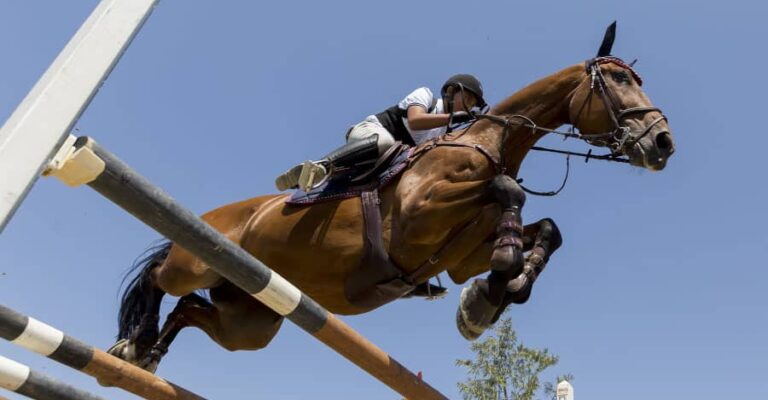
Horse and rider working through a controlled canter in an arena

IntroductionThe health and performance of a horse rely heavily on what’s happening inside its digestive system. The gut microbiome — the diverse community of bacteria, fungi, protozoa, and other microorganisms living in the digestive tract — plays a vital role in digestion, nutrient absorption, immune function, and even behavior. Understanding this microscopic ecosystem can help … Read more

Equestrian Fitness: Exercises to Improve Rider Performance

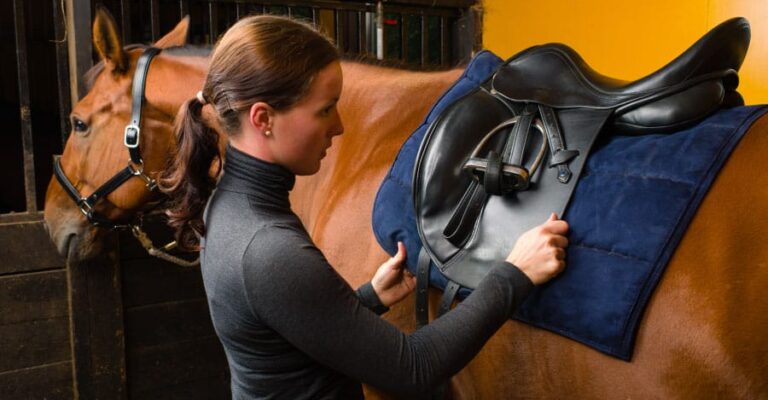
Handler adjusting an English saddle and blue saddle pad on a chestnut horse

IntroductionEquestrian fitness is about more than just staying in shape—it’s about building the strength, balance, flexibility, and endurance needed to communicate effectively with your horse and ride with precision. A well-conditioned rider can maintain correct posture, give clearer aids, and adapt to their horse’s movements with ease. Just like athletes in any sport, equestrians benefit … Read more

The Ethics of Horse Racing: Tradition or Trouble?

IntroductionHorse racing has long been celebrated as the “Sport of Kings,” blending athleticism, strategy, and centuries-old tradition. From the thundering hooves on race day to the meticulous breeding of champion bloodlines, the sport captivates audiences worldwide. However, beneath the glamour and pageantry lies an ongoing ethical debate. Critics question whether the physical demands, training practices, … Read more

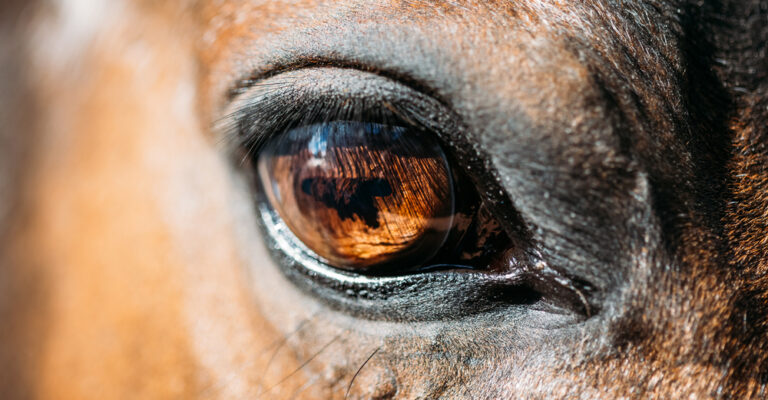
Horse Vision Explained: Seeing the World Through Equine Eyes

IntroductionUnderstanding how horses see the world is essential for building trust, improving training, and ensuring the safety of both horse and rider. A horse’s vision is uniquely adapted for survival, shaped by their evolution as prey animals. By learning how equine eyes work, owners and handlers can communicate more effectively, anticipate reactions, and create environments … Read more

Decoding Equine Body Language in the Field vs. the Arena

IntroductionUnderstanding equine body language is an essential skill for anyone working with horses. These intelligent, sensitive animals communicate primarily through posture, movement, and subtle cues. Interpreting these signals can reveal valuable insights into a horse’s comfort, focus, stress level, and intent. However, a horse’s behavior can vary significantly depending on the environment—what a horse communicates … Read more

Navigating Grief After Losing a Horse: Coping and Healing

Horse-riding instructor teaching a beginner rider in an arena

IntroductionLosing a horse is a profound and deeply personal experience. For many, horses are not just animals—they are companions, teammates, and trusted friends. The bond formed through daily care, training, riding, and simply being together creates a deep emotional connection. When that bond is broken by death, the grief can be overwhelming. Understanding the grieving … Read more

Equine Sleep Cycles: What Every Horse Owner Should Know

IntroductionSleep is essential to every living creature, and horses are no exception. However, equine sleep patterns differ significantly from those of humans or other domestic animals. For horse owners, understanding these unique sleep cycles is critical for maintaining the health, behavior, and overall well-being of their equine companions. Inadequate or disturbed sleep can lead to … Read more

The Science Behind Equine Memory: How Horses Recall People and Places

Horse standing quietly beside a person during grooming

IntroductionHorses are more than majestic athletes or loyal companions—they are also remarkably intelligent animals with impressive memory skills. Recent research in equine cognition has revealed that horses can remember people, environments, and even emotional experiences for months or years. Understanding how horses process and retain memories not only strengthens the human-horse bond but also plays … Read more