
What Is a Bad Temperature for a Horse? 2026 Fever and First-Aid Guide
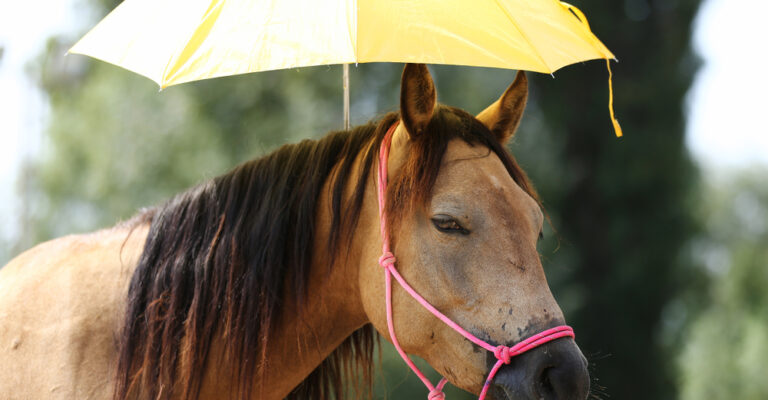
Learn a horse’s normal temperature range, how to take a safe reading, when fever or low temperature is urgent, and which warning signs require a veterinarian.
 Anrie Diedericks
I've been around horses since I was 6 years old and started competing at the age of 9. Horses are my greatest passion and I am thrilled to be able to share my 23 (and counting) years of experience and knowledge with you.
Anrie Diedericks
Learn a horse’s normal temperature range, how to take a safe reading, when fever or low temperature is urgent, and which warning signs require a veterinarian.
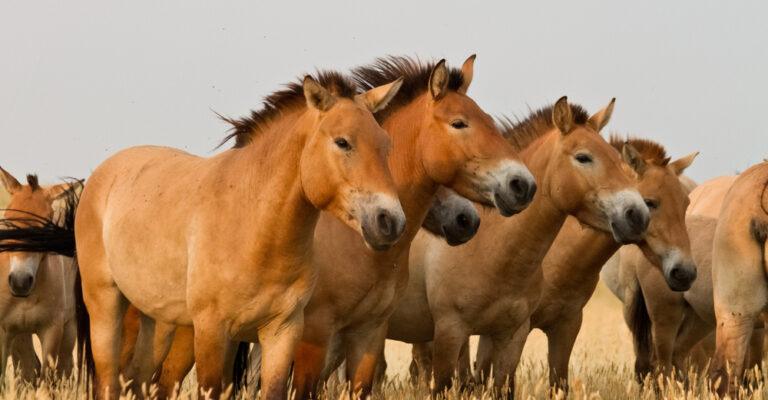
No domestic horse breed is inherently the most dangerous. Learn how temperament, training, pain, handling, and rider fit shape equine safety.
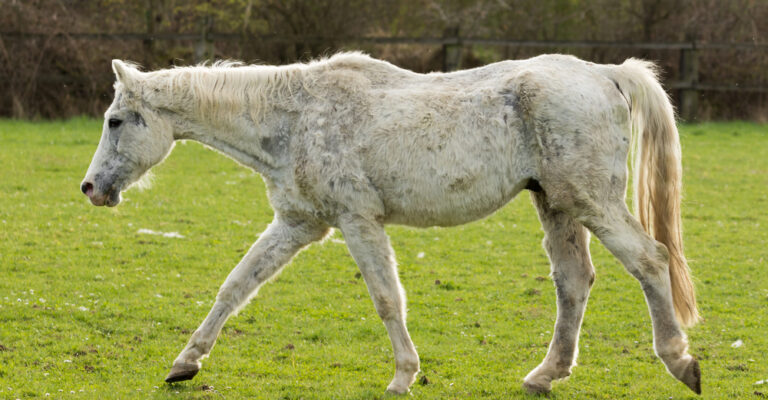
Is horse rain rot contagious? Learn how dermatophilosis spreads, how to protect other horses and people, and when veterinary diagnosis is needed.
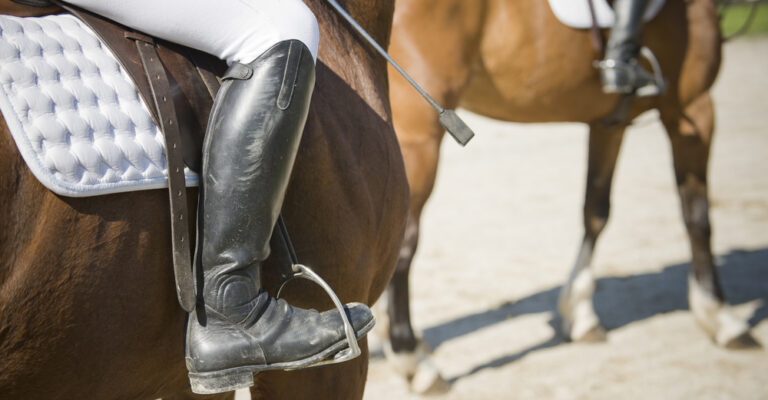
Do riding crops hurt horses? They can when used with excessive force or poor timing. Learn responsible crop use, welfare signs, and how current rules protect horses.
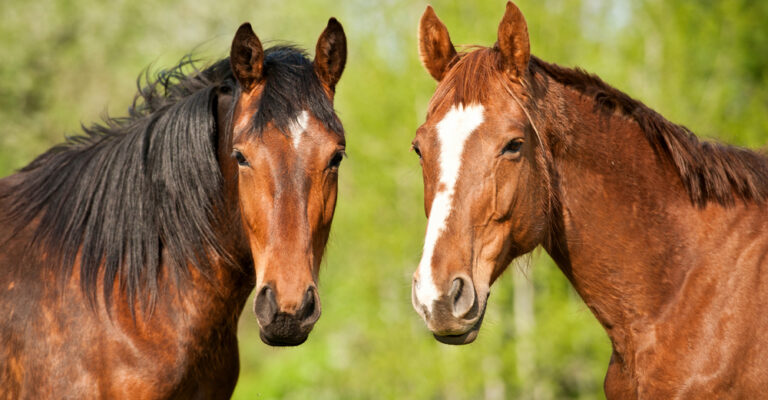
Yes, many horses can learn both English and Western riding. This 2026 guide covers tack, training, comfort, safety, and a gradual transition plan.

No breed is automatically bad for beginners. Learn which horse traits, training gaps, and rider mismatches deserve caution—and how to choose a safer first horse.
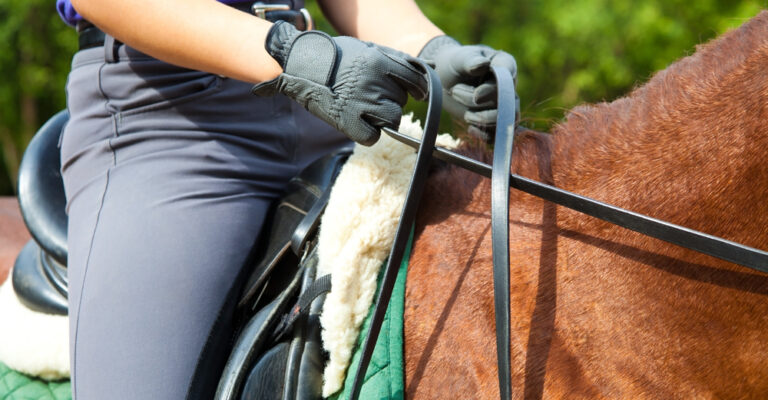
Side reins and draw reins serve different roles. Learn how they work, where they can go wrong, and how to prioritize balance, welfare, and qualified instruction.

Yes, Paint Horses can do dressage. Learn how soundness, movement, temperament, training, and rider goals matter more than breed stereotypes.

Compare dressage stirrups by balance, comfort, footbed, release safety, fit, and current competition rules before choosing a pair for training or competition.
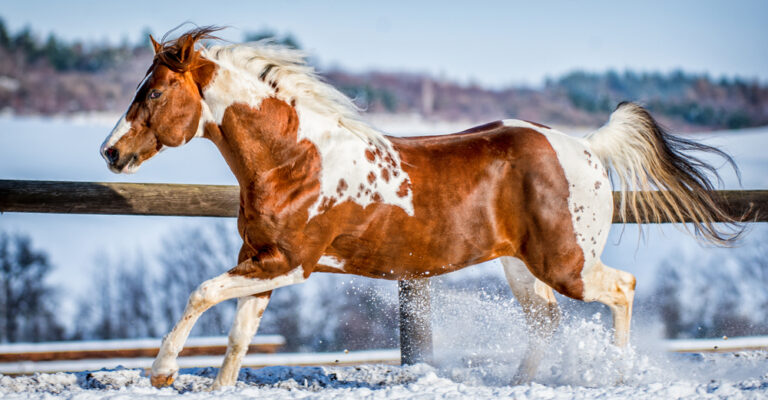
Some Paint Horses are excellent beginner partners, but the breed name is not a guarantee. Learn how training, temperament, age, soundness, and professional evaluation should guide your choice.

Learn the differences between polo, stable, medical, and travel wraps, when each may be appropriate, and how to reduce common bandaging risks.
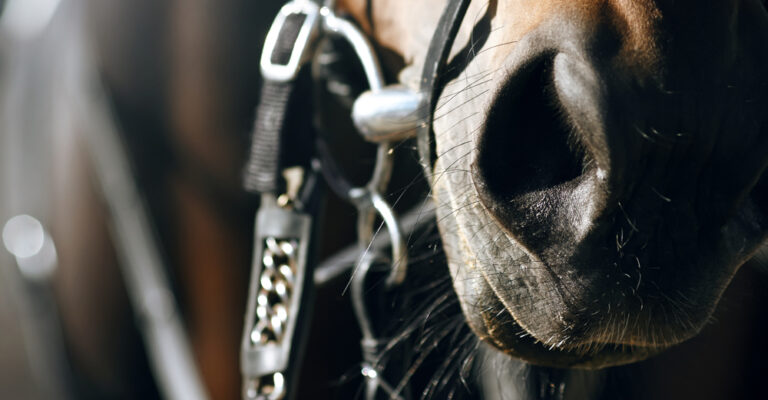
The best bit for a sensitive-mouthed horse depends on fit, anatomy, dental health, training, and rider contact—not a universal mouthpiece. Learn safer selection steps.