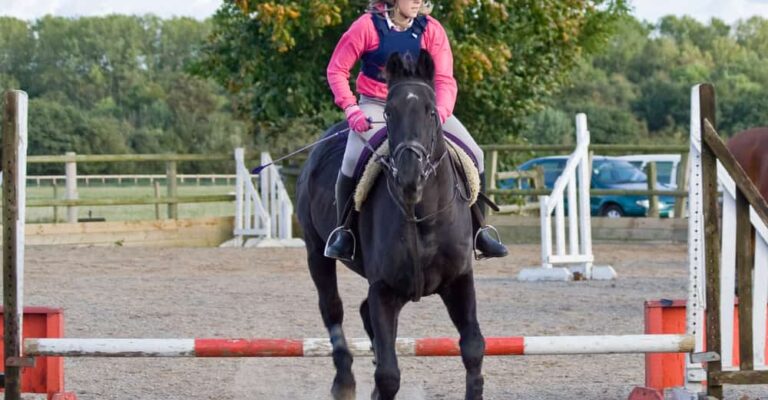
Horse Kicking Out in Canter? Causes, Safety, and What to Do (2026 Guide)
A horse kicking out in the canter may be reacting to pain, tack discomfort, stress, or training conflict. Learn the safe veterinary and training-first steps to take.
I've been around horses since I was 6 years old and started competing at the age of 9. Horses are my greatest passion and I am thrilled to be able to share my 23 (and counting) years of experience and knowledge with you.
A horse kicking out in the canter may be reacting to pain, tack discomfort, stress, or training conflict. Learn the safe veterinary and training-first steps to take.
Use this show-jumping tack checklist to understand essential equipment, fit and safety checks, protective boots, martingales, and current competition-rule considerations.
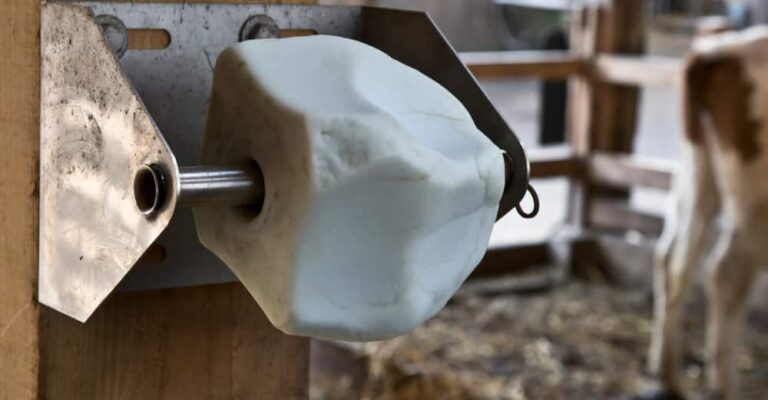
Sulfur is essential, but a sulfur block or MSM supplement is not right for every horse. Learn how to assess the ration, label, intake, and safety risks with veterinary guidance.
Learn how horse-riding body protectors work, how to assess fit and standards, and when air vests may be used alongside traditional protection.
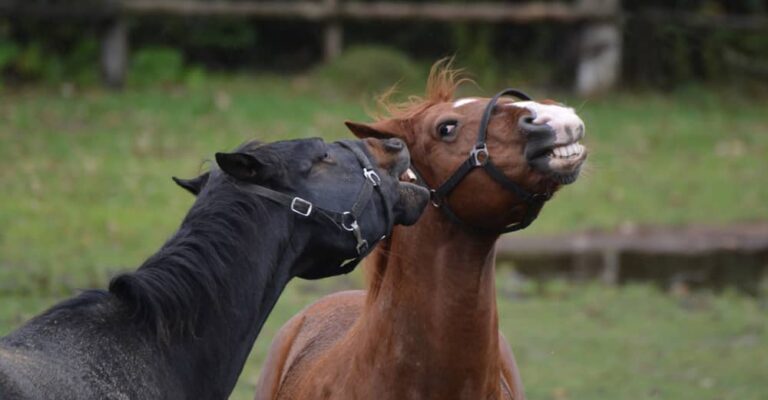
Learn how to manage horse bullying safely by separating injured horses, reducing resource competition, checking for pain, and planning gradual reintroduction.
Arabian horses can barrel race, but success depends on the individual horse’s soundness, balance, fitness, temperament, and training—not breed alone.
Learn why a horse refuses to lunge and how to rebuild the skill safely with in-hand basics, clear cues, a large circle, short sessions, and professional support when needed.
Why do horses nudge people? Learn how to interpret a horse’s body language, distinguish affection from pushiness, set safe boundaries, and recognize when a sudden behavior change needs veterinary advice.
Is show jumping dangerous? Learn the main risks to horses and riders, practical ways to reduce them, and when training should stop for safety.
Many riders are under the impression that you need a big fancy warmblood to perform dressage. This simply is not true. After all, dressage training’s main purpose is to develop a horse’s strength, suppleness, balance, and responsiveness to the rider’s aids, therefore displaying a harmonious partnership between a horse and his rider. Most classic draft … Read more
A horse may rub its head on you for a scratch, an itch, curiosity, or learned attention-seeking. Learn how to read the behavior safely and when to investigate discomfort.
Leg-yield and shoulder-in both develop lateral control, but they differ in bend, alignment, tracks, and training purpose. Learn when to use each movement safely.