
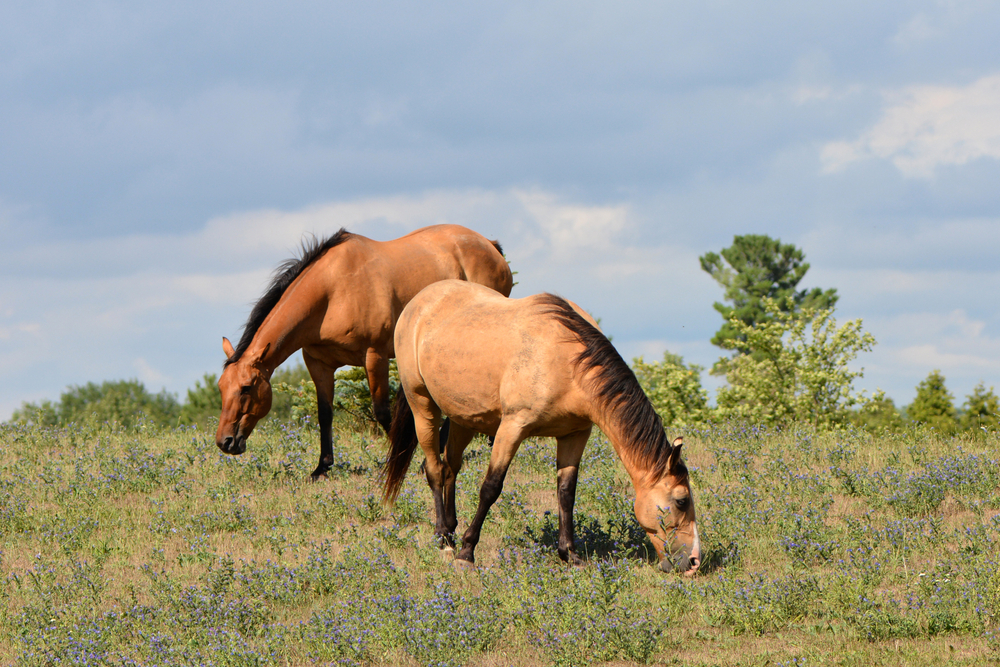
Looking for an affordable horse? The cheapest horse breeds are not automatically the cheapest horses to own. Purchase price varies by location, age, training, health, registration, and intended use. A well-trained, healthy horse of a common breed may cost more upfront than an unhandled horse, but it can be far less expensive—and safer—to keep long term.
This 2026 guide compares breeds and horse types that are often available at the lower end of the market. It also explains the costs buyers commonly miss, so “cheap” does not become an expensive mistake.
What makes a horse affordable?
Breed is only one part of a horse’s price. The biggest variables are age, soundness, temperament, training, location, bloodline, paperwork, and the job you want the horse to do. A horse advertised cheaply may need extensive retraining, medical care, transportation, or specialized management.
Budget for recurring costs before you shop. The University of Minnesota Extension emphasizes that horse ownership is a significant investment of both time and money; its budget guidance is a useful reality check. A pre-purchase examination, written sales agreement, emergency fund, routine farrier care, dental care, vaccinations, feed, and housing all matter more than the breed name on the registration papers.
15 cheapest horse breeds and horse types to research
These are not guaranteed price rankings. They are horse types that are commonly found at accessible prices in at least some markets. Prices change quickly, so use current local listings and a veterinarian’s assessment rather than an old national price table.
1. Grade horses
A grade horse has unknown, mixed, or undocumented breeding. Lack of registration can reduce the purchase price, but it does not predict ability or quality. Judge the individual horse by soundness, temperament, training, and suitability for your goals.
2. Crossbred horses
Crossbreds can combine useful traits without the premium attached to a fashionable pedigree. A cross may be a practical option for pleasure riding, trail work, or a family horse when the individual has been honestly represented and carefully evaluated.
3. Mustangs
Some American mustangs are available through the Bureau of Land Management adoption program at a relatively low adoption fee. The adoption price is only the beginning: an unhandled or lightly handled mustang may require specialized gentling, training, fencing, and transport. This route is best for experienced owners or adopters with qualified professional support.
4. Miniature horses
Miniature horses often have lower purchase prices than full-sized riding horses and can be rewarding companions or driving prospects. They still need appropriate nutrition, hoof care, dental care, vaccination, turnout, and veterinary attention. They are not simply “small horses” with proportionally small bills, and many cannot safely carry a rider.
5. Thoroughbreds
Retired or off-the-track Thoroughbreds can be affordable because many need a new career after racing. They may make excellent riding horses, but a racehorse’s fitness and training do not automatically transfer to a safe pleasure or sport horse. Assess soundness, retraining, feet, behavior, and the support available to you.
6. Standardbreds
Retired Standardbreds are another potential source of athletic horses at modest prices. Many transition successfully to trail riding, pleasure work, or other disciplines. Look for a realistic retraining plan and an experienced assessment rather than assuming a former racehorse is ready for a beginner.
7. Arabians and Arabian crosses
Arabians are widely available in many regions, and older, unregistered, or lightly trained individuals may be accessible to buyers. Their endurance and sensitivity can be strengths, but match the horse’s temperament and training to the rider. A bargain is not a bargain if the partnership is unsuitable.
8. Quarter Horses and Quarter Horse crosses
Because Quarter Horses are common in North America, buyers can often find a broad range of prices. Older horses, non-registered horses, and horses outside fashionable show bloodlines may be more affordable while still being useful for trail riding or general work.
9. Appaloosas
Appaloosas and Appaloosa crosses are established, versatile horses. Price depends much more on training, health, age, and local demand than coat pattern alone. Be especially cautious of buying for color without evaluating feet, eyes, movement, and behavior.
10. Paint Horses
Paint Horses and stock-type crosses can be accessible in many local markets. A common color or unregistered status may lower the price, but the same pre-purchase checks apply: soundness, vision, respiratory health, temperament, and a clear match for the intended rider.
11. Tennessee Walking Horses
Older or pleasure-bred Tennessee Walking Horses may be affordable in regions where they are common. Buyers should observe the horse moving naturally and ask careful questions about training and competition history. Do not purchase solely on the promise of a particular gait.
12. Morgan crosses
Morgan crosses can offer versatility without the price of a proven registered show horse. A sensible choice depends on the individual horse’s conformation, training, feet, and temperament—not on the cross alone.
13. Haflinger and other pony crosses
Hardy pony crosses can be practical for smaller riders, driving, or family use. Check weight-carrying suitability honestly: height is not a substitute for appropriate bone, fitness, conformation, and a properly fitted saddle.
14. Rescue and rehoming horses
Adoption fees may be lower than private-sale prices, and rehoming can give a horse a safe future. Ask for complete records, behavioral history, restrictions in the adoption contract, and realistic information about training. A rescue horse can be an excellent match, but it may require time and professional support.
15. Older pleasure horses
An older, experienced horse can be one of the best values for a suitable home. The purchase price may be modest, but senior horses can need more careful dental, metabolic, joint, and nutritional management. Choose the horse for the work it can comfortably do now, not the career it had years ago.
Costs that matter more than the purchase price
Before buying, calculate boarding or home-facility costs, hay or pasture, bedding, routine farrier work, dental care, vaccinations, deworming strategy, emergency veterinary care, insurance if appropriate, tack, transport, and training. If you keep a horse at home, safe fencing, water, shelter, manure handling, and a dry, non-slip stall surface are part of the budget. In a stall, well-installed rubber mats can reduce bedding waste and improve footing; compare thickness, drainage, installation, and warranty rather than buying the cheapest mat. See Treadall horse stall mats as one product option, not a substitute for proper drainage or daily cleaning.
UMN Extension’s horse-care budgeting guidance is a useful reminder to protect essential welfare costs first. Savings should come from planning, shared services, efficient feeding, and appropriate facilities—not from skipping veterinary care, hoof care, safe fencing, or adequate forage.
How to buy an affordable horse safely
- Write down the horse’s job, rider experience, height or weight needs, and non-negotiable temperament traits.
- View the horse more than once, preferably in its normal environment.
- See the seller catch, handle, tack up, and ride the horse. Do not let a polished sales video replace an in-person assessment.
- Bring an experienced horse person and arrange an independent pre-purchase examination.
- Verify identity, ownership, health records, medication history, and any adoption or sales restrictions.
- Use a written contract that records the horse’s description and the seller’s representations.
- Keep an emergency reserve after the purchase; do not spend the entire budget on the horse itself.
Related horse-ownership guides
- How to save money on horse ownership without cutting essential care
- How much land do you need for a horse?
- What is the average lifespan of a horse?
Sources and Further Reading
Horse prices vary by region, age, training, health, and supply, so a low purchase price should not be treated as the same thing as low ownership cost. Before buying, budget for feed, routine veterinary and hoof care, housing, transport, training, and an emergency reserve.
- Penn State Extension: Finances of Horse Ownership — a practical overview of routine expenses, hidden costs, and budgeting.
- Bureau of Land Management: Wild Horse and Burro Adoptions and Sales — current adoption and sale information for horses managed by the BLM.
Frequently asked questions
What is the cheapest horse breed?
There is no universally cheapest breed. Grade horses, common crosses, mustangs, retired racehorses, older pleasure horses, and rescue horses may be affordable in some markets. The cheapest safe choice is the individual horse that fits your experience and has manageable ongoing needs.
Are cheap horses expensive to keep?
They can be. Feed, housing, hoof care, dental care, veterinary care, training, and emergencies are largely determined by the horse’s needs and your location, not its purchase price.
Are mustangs cheap to own?
The adoption fee can be low, but an unhandled mustang may require professional training, secure facilities, transport, and time. Include those costs before adopting.
Should a beginner buy the cheapest horse available?
No. A calm, well-trained horse with a known history is usually a safer value than an inexpensive horse whose health, training, or behavior is uncertain. Pay for an independent assessment before committing.
Sources: University of Minnesota Extension: Caring for horses on a budget; Bureau of Land Management: wild horse and burro adoptions; University of Minnesota Extension: horse ownership resources.

Written by
I've been around horses since I was 6 years old and started competing at the age of 9. Horses are my greatest passion and I am thrilled to be able to share my 23 (and counting) years of experience and knowledge with you.