
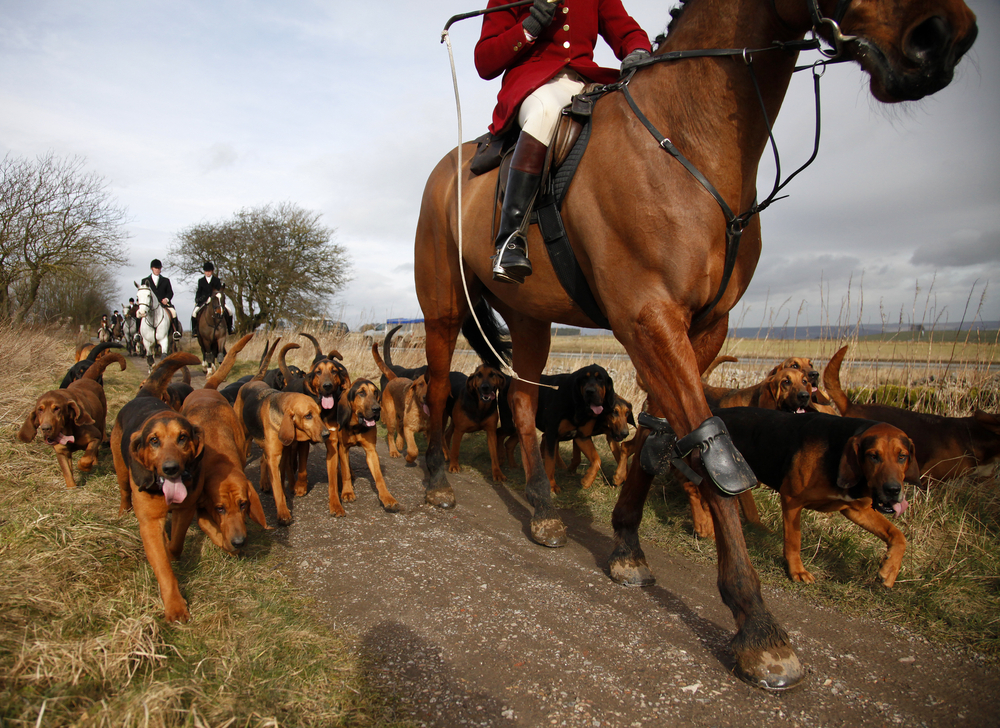
There is no single “best” horse for hunting. The right choice depends on the country or drag-hunt format, the terrain, fence height, pace, distance, and the rider’s experience. A safe hunting horse is usually a sensible, athletic, well-conditioned individual with a comfortable stride—not simply a particular breed or a flashy pedigree.
Before buying or taking a horse hunting, speak with the hunt’s staff, an experienced trainer, your veterinarian, and an independent pre-purchase examiner. Hunting can involve long hours, uneven ground, groups of horses, roads, gates, water, and unfamiliar fences. Suitability must be assessed horse by horse.
What makes a good hunting horse?
Look for these practical qualities:
- Soundness and useful athleticism: the horse should move freely on firm and uneven surfaces, cope with hills, and recover appropriately after work.
- A reliable brain: a horse that can listen, stand, ride in company, and wait at gates is often more valuable than one with spectacular jumping ability.
- Rideability: brakes, steering, adjustability, and a calm response to pressure matter when the group changes pace or approaches an obstacle.
- Balance and foot confidence: a sure-footed horse can place its feet carefully on mud, slopes, tracks, and changing ground.
- Appropriate jumping experience: if the activity includes natural fences, the horse should have been introduced gradually and jump willingly without being rushed.
- Stamina without excess excitement: the horse must manage the planned workload while remaining mentally settled. Adrenaline can make an unfit horse appear ready for more than it can safely deliver.
Which breeds are commonly suitable?
Breed can suggest a type, but it cannot guarantee temperament, soundness, or suitability. Thoroughbreds and Thoroughbred crosses are often valued for stamina, athleticism, and a forward way of going. Irish Sport Horses and other sport-horse crosses may offer a useful blend of jumping ability, substance, and rideability. Warmbloods can be excellent when the individual is fit, balanced, and comfortable over the relevant terrain.
Many riders also hunt successfully on sturdy cobs, Quarter Horse crosses, draft crosses, and native or part-bred horses. These horses may offer calm temperaments, strength, and good feet. A smaller horse can be a sensible choice for a smaller rider or tighter country; a larger horse is not automatically safer or more capable. The best match is the horse whose conformation, movement, fitness, and temperament fit the actual job.
Match the horse to the type of hunting
Trail, drag, or non-jumping rides
For a ride that stays on trails or includes little or no jumping, an experienced, steady horse with good brakes and traffic confidence may be ideal. The horse still needs enough fitness for the distance and enough manners to remain relaxed in a group.
Natural-fence or cross-country hunting
When the route includes banks, ditches, hedges, water, or solid-looking natural obstacles, prioritize honesty, balance, careful feet, and previous education. A horse that jumps huge fences in an arena may not be prepared for a ditch or a downhill approach. Start with the hunt’s lower-risk groups and follow its rules about which obstacles are optional.
Fast, open country
Open country increases the importance of brakes, adjustability, cardiovascular fitness, and a rider who can regulate pace. Do not use a long day in open country as the first fitness test. Build the horse’s workload gradually with hacking, hills, transitions, and appropriately spaced schooling sessions.
How fit should a hunting horse be?
Fitness should be individual and progressive. A horse may be enthusiastic on the first outing and still lack the strength or aerobic base for a long day. Monitor breathing, recovery, muscular soreness, weight, hydration, and behavior in the following 24 hours. A structured programme should be planned with a knowledgeable trainer and adjusted for age, condition, weather, footing, and the horse’s previous workload.
Have the horse’s feet, tack, teeth, vaccinations, and general health reviewed before the season. Hoof protection should be based on the horse’s own needs and the terrain; do not add shoes or pads solely because other horses wear them. Ask your veterinarian about any history of lameness, respiratory disease, metabolic problems, or poor recovery before increasing work.
Is a green horse suitable for hunting?
Usually, a genuinely green horse is not the best first hunting partner for an inexperienced rider. The environment can be exciting and unpredictable, and a young horse may need more education in traffic, groups, gates, standing, hills, water, and basic jumping before joining a demanding field. A quiet, experienced horse can help a confident rider learn the routine; it should still be introduced gradually and never treated as an automatic confidence machine.
Questions to ask before buying or leasing
- What type of hunting has the horse actually done, and for how many seasons?
- How does it behave when horses leave the group, stop, turn for home, or change speed?
- Has it crossed the terrain and fences used by the intended hunt?
- Can it stand quietly and load, travel, and handle routine checks?
- What workload does it currently perform, and how does it recover?
- Are there any previous injuries, joint problems, breathing issues, or behavioral concerns?
See the horse ridden by its current rider, then ride it in a controlled setting before attempting a hunting day. Arrange an independent veterinary examination and ask for a realistic trial period where possible.
Related guides
- Best horse breeds for English riding
- Can Quarter Horses do eventing?
- Is show jumping dangerous?
- How long can horses run?
Sources and welfare guidance
For current welfare and conditioning guidance, consult the British Horse Society horse-fitness guidance and US Equestrian’s horse-welfare resources. Rules and obstacle standards vary by organization and location, so follow the hunt’s current instructions rather than relying on a generic online checklist.
Frequently asked questions
What is the best breed of horse for hunting?
There is no universally best breed. Thoroughbred crosses, Irish Sport Horses, warmbloods, cobs, Quarter Horse crosses, and draft crosses can all be suitable when the individual has the right temperament, soundness, fitness, and experience.
Can a beginner hunt on a young horse?
It is usually a poor risk combination. A beginner generally benefits from an experienced, forgiving horse, while a young or green horse needs a patient, skilled rider and a gradual education programme.
How fit does a horse need to be for hunting?
The required fitness depends on distance, pace, terrain, weather, and jumping. Build work progressively and judge readiness by recovery and behavior—not excitement at the start of the ride.
Should a hunting horse jump every fence?
No. Follow the hunt’s instructions and choose only obstacles appropriate for the horse, rider, and conditions. A safe decision to circle, use a gate, or take an alternative is better than forcing an unsuitable jump.
Related Horse-Care and Facility Guides
Planning the right hunting horse also means matching the horse to the wider demands of riding, training, and daily management. These related guides cover useful next steps:
- 20 Most Popular Horse Breeds (2026 Guide)
- 29 Horse Jumping Obstacles Explained (2026 Beginner Guide)
- How Much Land Do You Need for a Horse?
- Crumb Rubber Arena Footing: Benefits, Risks, and Maintenance

Written by
I've been around horses since I was 6 years old and started competing at the age of 9. Horses are my greatest passion and I am thrilled to be able to share my 23 (and counting) years of experience and knowledge with you.