
Introduction
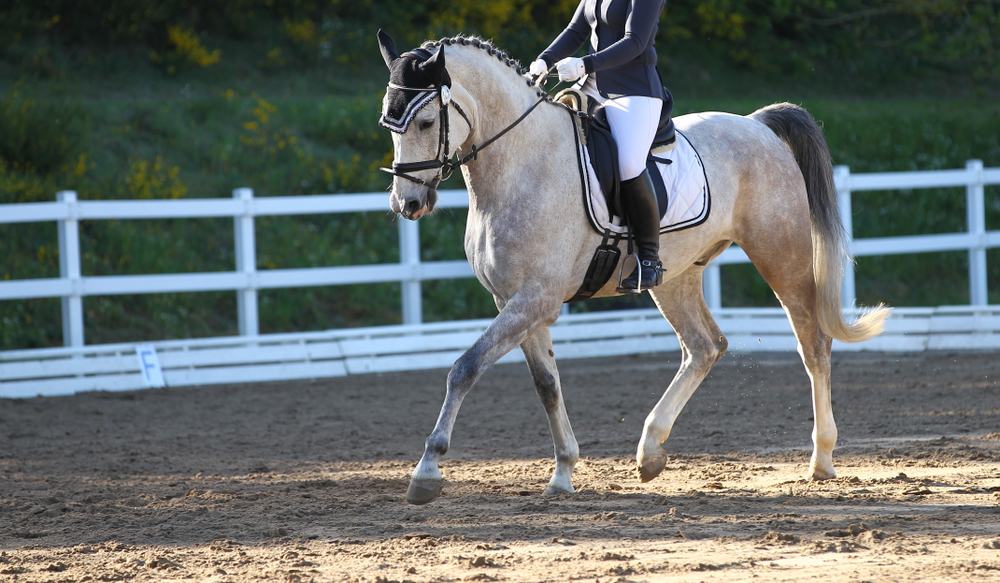
Competitive horses—whether they’ve raced on tracks, performed in show rings, or excelled in endurance events—eventually reach a point where their athletic careers come to an end. Retirement doesn’t mean the end of their value or purpose; rather, it marks the beginning of a new chapter. Understanding what happens to horses after their competitive years is essential for promoting responsible ownership, ethical decision-making, and long-term equine welfare.
What Happens to Horses After Retirement?
Once a horse retires from competition, several pathways are possible depending on its health, temperament, training, and the resources of its owner. These transitions aim to ensure that the horse continues to live a safe, comfortable, and meaningful life.
Common Post-Career Paths for Horses
- Second Careers (Retraining and Rehoming)
Many retired horses are retrained for new roles, such as:
Pleasure riding or trail horses
Therapy or equine-assisted services
Dressage, jumping, or lower-level competitions
Riding school horses
With proper retraining, especially for former racehorses, many adapt well to less demanding but still engaging activities.
- Breeding Programs
Horses with strong bloodlines or proven performance records may transition into breeding roles. This is common for:
Stallions with successful racing or competition histories
Mares with desirable traits and lineage
However, responsible breeding practices are crucial to avoid overpopulation and ensure the health of both mare and foal.
- Sanctuaries and Retirement Facilities
Some horses are sent to dedicated retirement farms or sanctuaries where they can live out their lives peacefully. These facilities provide:
Regular veterinary care
Adequate nutrition
Safe and comfortable environments
This option is especially beneficial for older horses or those with health conditions that limit activity.
- Companion Animals
Retired horses sometimes serve as companion animals for other horses or livestock. Their calm demeanor and social nature make them ideal for:
Providing company to younger or anxious horses
Living in low-demand environments with minimal work
- Continued Light Work
Not all retired horses stop working entirely. Many remain active in less physically demanding roles, which can help maintain their physical and mental health. Examples include:
Light riding
Groundwork and training exercises
Participation in educational demonstrations
Challenges in Post-Career Transitions
Despite the many positive outcomes, retired horses can face challenges such as:
Limited financial resources for long-term care
Inadequate retirement planning by owners
Risk of neglect or improper rehoming
Overbreeding leading to surplus horses
These issues highlight the importance of planning for a horse’s entire lifespan—not just its competitive years.
Benefits of Responsible Retirement Planning
Ensures lifelong welfare and humane treatment
Provides smoother transitions into new roles
Reduces the risk of abandonment or neglect
Supports ethical practices within the equine industry
Limitations and Realities
Not all horses are suitable for retraining or breeding
Retirement care can be costly and long-term
Some horses may develop chronic health conditions requiring specialized care
Availability of quality sanctuaries or adoptive homes may be limited
Practical Considerations
When Should Retirement Be Considered?
Decline in performance or stamina
Recurring injuries or health issues
Behavioral changes indicating stress or discomfort
Veterinary recommendation
Planning Ahead
Owners should consider retirement options early in a horse’s career, including financial planning and potential placement opportunities.
Choosing the Right Path
Evaluate the horse’s:
Health condition
Temperament
Training background
Age and physical capability
Consulting with veterinarians, trainers, and equine welfare organizations can help guide the best decision.
Conclusion
The end of a horse’s competitive career is not an ending but a transition. With thoughtful planning and responsible care, retired horses can continue to lead fulfilling and comfortable lives in new roles or peaceful retirement. Ensuring their well-being beyond competition reflects not only good ownership but also a deep respect for the animals that have given so much throughout their careers.
Frequently Asked Questions
What can a horse do after retiring from competition?
Depending on soundness, temperament, training, and veterinary guidance, a retired horse may transition to lower-level riding, teaching, breeding where appropriate, companion duties, groundwork, or a comfortable non-ridden life.
Do retired sport horses need different care?
They may need a slower conditioning plan, nutrition adjusted to workload, regular dental and hoof care, and monitoring for pain or mobility changes. A veterinarian should help guide major changes.
How can owners support a retired horse’s welfare?
Provide safe turnout or movement, social contact, suitable forage, routine health care, and a realistic long-term plan that matches the horse’s needs rather than forcing a return to work.
Related horse-care guides: horse companionship, horse lifespan, and stable needs.

Written by
Phoebe writes about horse care, health, and behavior for Equestrian Space, blending hands-on stable experience with up-to-date veterinary guidance.
iyovqhrgypwnmwkyystxihtvkdiufk