
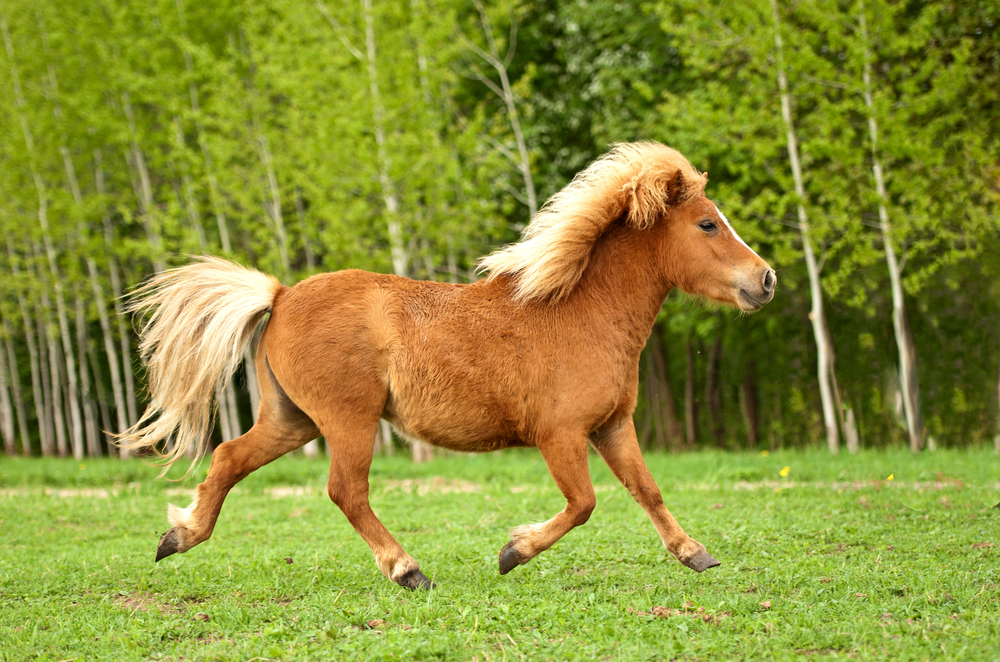
Choosing a pony for a child is not really a breed-ranking exercise. The right first pony is a sound, well-trained individual whose temperament, size, experience, and workload match the child and the adults who will care for it. Breed can help narrow a search, but it cannot guarantee that a pony is quiet, safe, or suitable for a beginner.
That distinction matters. A small pony can be strong, clever, quick, and difficult to manage. Children should ride with qualified instruction and active adult supervision, especially during trial rides, handling, tacking up, turnout, and feeding.
What makes a good pony for a child?
The same guidance applies when a student rider is taking lessons at a riding school, pony club, or college program: the best pony is a sound, patient, well-schooled individual matched to the student’s experience — not the flashiest or cheapest one.
Start with the individual rather than the label. Look for a pony with a documented training history, calm responses to ordinary sights and sounds, good manners on the ground, and experience carrying riders at the child’s level. Have a veterinarian perform a pre-purchase examination, ask for references from the pony’s instructor or previous home, and see the pony handled and ridden before making an offer.
Size should fit the child now and leave reasonable room for growth, but “smaller” is not automatically safer. A pony that is too small may be quickly outgrown, while a larger, steady cob may be a better practical match. Ask an instructor to assess the child’s balance, confidence, and goals before choosing a height.
Best pony and small-horse types to consider
Shetland Pony
Shetlands are compact, hardy, and often exceptionally strong for their size. A well-trained Shetland can be an excellent lead-rein or driving pony, but some are also highly intelligent and opportunistic. Look for a patient, established individual rather than assuming every Shetland is a beginner’s mount. Weight management is important because many easy-keeping ponies gain weight readily.
Pony of the Americas
The Pony of the Americas was developed in the United States as a versatile, spotted pony for young riders. Many have the athleticism for games, trail riding, and English or Western work. Their size range is broad, so assess the actual pony’s build and training. A confident, well-schooled individual may suit a child’s changing interests, but the breed name is not a substitute for a trial and references.
Welsh Pony or Welsh Cob
Welsh ponies and cobs are popular because they combine athletic ability, stamina, and generally people-oriented temperaments. The sections vary considerably in size and type. A smaller Welsh may suit a young rider, while a Welsh Cob can carry an older or taller child comfortably. Watch for forwardness and energy: the best match is the individual that remains responsive and rideable for the child.
Connemara Pony
Connemaras are athletic Irish ponies known for jumping ability, endurance, and versatility. A steady Connemara can be a rewarding partner for a child who wants to progress in lessons and competition. They are often more substantial and energetic than their height suggests, so a young beginner needs a genuinely quiet, experienced individual and consistent training support.
New Forest Pony
New Forest ponies are hardy British natives used for riding, driving, and family activities. Their practical size and versatility make them worth considering for children, particularly when the individual has a proven history in a riding-school or family setting. Confirm the pony’s handling, traffic experience, and response to novice riders rather than relying on a breed description.
Dartmoor, Exmoor, Fell, or Dales Pony
These native British pony breeds are generally sturdy, sure-footed, and capable of work beyond the arena. They can be excellent trail and family ponies when properly trained. Fell and Dales ponies are larger and stronger types; Exmoor and Dartmoor ponies are often smaller but can still be sharp or athletic. A child’s experience and the pony’s history matter more than the breed’s reputation.
Haflinger
Haflingers are small horses rather than true ponies, usually recognizable by their chestnut coats and flaxen manes. Their strength, comfortable movement, and versatility appeal to families and riding schools. Some are calm and forgiving; others are powerful, forward, and best handled by a more experienced rider. Match the individual’s education and energy level to the child.
Icelandic Horse
Icelandic Horses are compact, hardy, and famous for the comfortable tölt that some individuals offer. They are often strong and sure-footed, which can suit older children or families interested in trail riding. They are not automatically beginner-safe: assess the horse’s actual gaits, responsiveness, and training, and use an instructor familiar with the breed.
Virginia Highlander or Kentucky Mountain-type pony
Less common regional breeds and small gaited horses can make wonderful family partners when a suitable individual is available. Smooth movement may be attractive for a child, but rarity can make veterinary records, references, and a fair trial more difficult to verify. Buy the pony in front of you, not an appealing description on an advertisement.
A safer buying checklist
- Take the child’s instructor to view and trial the pony.
- Watch the seller catch, lead, groom, tack up, mount, and ride first.
- Ask about bites, bucks, bolting, loading, traffic, clipping, farrier care, and veterinary history.
- Arrange a pre-purchase veterinary examination and review vaccination, dental, and farrier records.
- Trial the pony more than once, in the environment where the child will actually ride.
- Budget for suitable tack, lessons, hoof care, feed, insurance, and emergency veterinary costs.
Children should not be expected to manage a pony alone. Adult education and supervision are part of the purchase, not optional extras. For riding fundamentals, see our beginner riding guide; for workload decisions, review how to assess carrying capacity. Families considering jumping should also read our show-jumping breed guide and body-protector safety guide.
Frequently asked questions
What is the best pony breed for a child?
There is no universally best breed. A calm, sound, well-trained individual with a verified history carrying beginner riders is a better choice than a supposedly gentle breed that is inexperienced, reactive, or unsuitable in size.
Are Shetland ponies good for children?
They can be, particularly for lead-rein work, driving, or small riders, but Shetlands are strong and can be clever and willful. Choose an experienced individual and provide adult supervision and consistent boundaries.
What size pony does a child need?
Height should be assessed with the child’s instructor, considering balance, leg length, the pony’s build, and expected growth. A slightly larger, steady pony may be a safer long-term match than a tiny pony the child will outgrow quickly.
Should a beginner child buy a young pony?
Usually not. A first pony should have substantially more experience than the child, with a calm record in the activities the family plans to do. Young or green ponies generally need an experienced rider and professional training.
Sources and further reading
- British Horse Society: choosing a horse
- Pony of the Americas Club
- New Forest Pony and Cattle Breeding Society
- Dartmoor Pony Society breed information
- Exmoor Pony Society
- The Spruce Pets: horse and pony breeds for kids

Written by
I've been around horses since I was 6 years old and started competing at the age of 9. Horses are my greatest passion and I am thrilled to be able to share my 23 (and counting) years of experience and knowledge with you.